Quote · Added 20 February 2026
Useless laws weaken the necessary laws.
No ratings yet
Quote · Added 20 February 2026
We all know that feeling of eye-rolling when we encounter a rule that makes no sense. Maybe it's a workplace policy that nobody follows, or a outdated regulation that seems designed for a problem that no longer exists. The frustrating thing Montesquieu noticed is that these pointless rules don't just sit there harmlessly—they actively corrode our respect for all rules, including the ones that actually matter.
Think about it: when you see enforcement that's arbitrary or petty, you start questioning whether any rule deserves your buy-in. A boss who cracks down on arriving one minute late but ignores actual negligence teaches everyone that authority isn't principled—it's just random. That same skepticism then bleeds into your view of genuinely important boundaries. The system starts to feel like theater rather than something real, and people stop taking any of it seriously.
This is why minimalism in rule-making actually matters more than it seems. Every unnecessary law or policy you keep around is silently teaching people that rules are negotiable, that authority isn't trustworthy, and that following guidelines is more about looking compliant than staying safe. The most effective systems are usually the ones that are ruthless about cutting the dead weight, so the rules that remain have actual weight behind them.
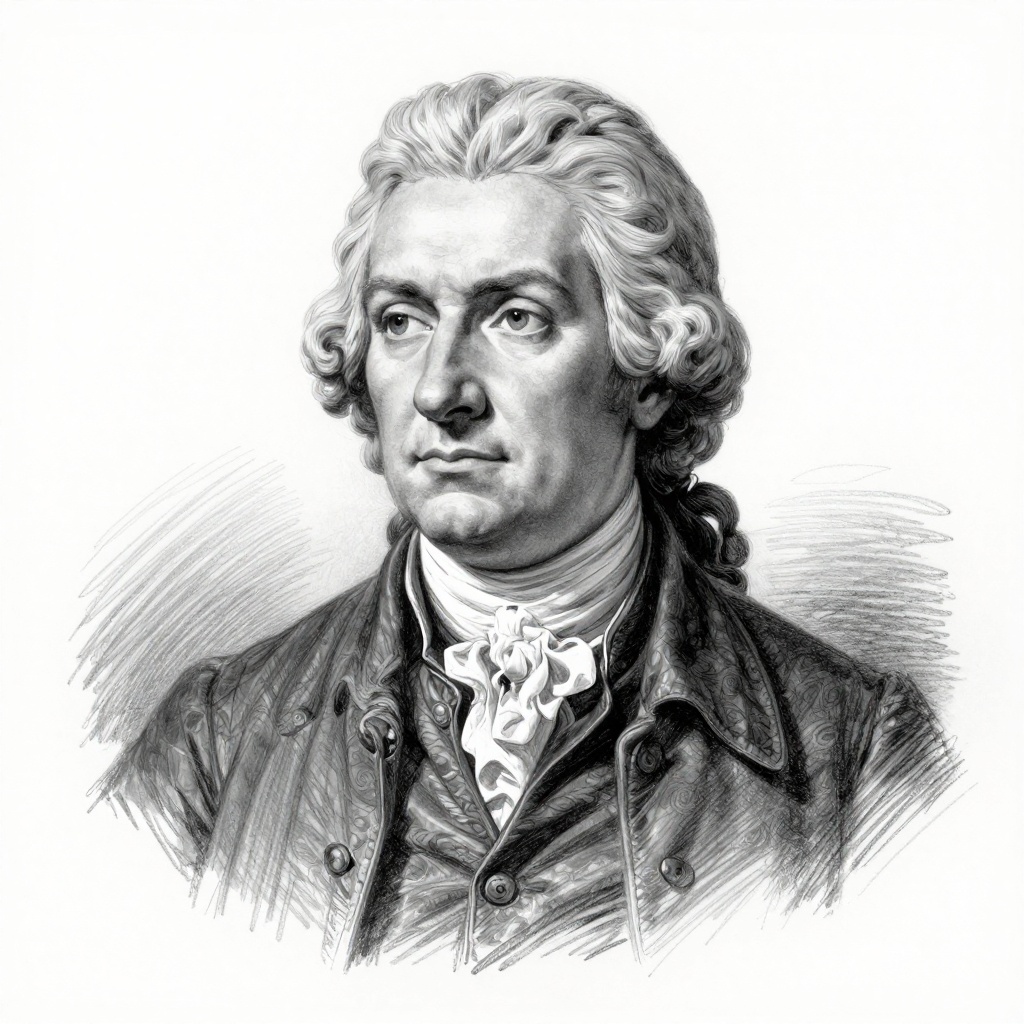
1689–1755·lived 66 years
Montesquieu, born Charles-Louis de Secondat in 1689, was a French political philosopher and writer best known for his works on the theory of governance and the separation of powers. His seminal work, "The Spirit of the Laws," profoundly influenced modern political thought and the development of constitutional design. Montesquieu's ideas laid the groundwork for the principles of democracy and civil liberties, making him a key figure in the Enlightenment movement.
Comments