Quote · Added 14 February 2026
There is only one thing that can form a bond between men, and that is gratitude... we cannot give someone else greater power over us than we have ourselves.
MontesquieuLettres Persanes, No. 104, 1721
No ratings yet
Quote · Added 14 February 2026
We often think of gratitude as something polite we express when someone does us a favor. But Montesquieu is pointing at something deeper: gratitude is actually the only thing that makes us want to stay connected to another person willingly. When someone helps us without expecting anything back, we don't feel diminished or trapped—we feel drawn closer. That's the paradox he's highlighting.
The twist here is his warning about power. He's not saying gratitude is weakness. He's saying that real gratitude only works between people who are roughly equal. If you're completely dependent on someone—if they hold all the cards—then what you feel isn't gratitude, it's obligation or fear. True gratitude only flows between people who could walk away but choose not to. That's what makes it genuine and what keeps it from becoming toxic.
This matters now because we're caught between gratitude and resentment in so many relationships—with employers, family, partners. The feeling of owing someone can poison even acts of kindness. Montesquieu suggests the antidote isn't refusing help; it's building relationships where both people maintain their own ground to stand on. That's harder than it sounds, but it's what separates real connection from control dressed up as kindness.
1689–1755·lived 66 years
Montesquieu, born Charles-Louis de Secondat in 1689, was a French political philosopher and writer best known for his works on the theory of governance and the separation of powers. His seminal work, "The Spirit of the Laws," profoundly influenced modern political thought and the development of constitutional design. Montesquieu's ideas laid the groundwork for the principles of democracy and civil liberties, making him a key figure in the Enlightenment movement.
Also by Montesquieu
Useless laws weaken the necessary laws.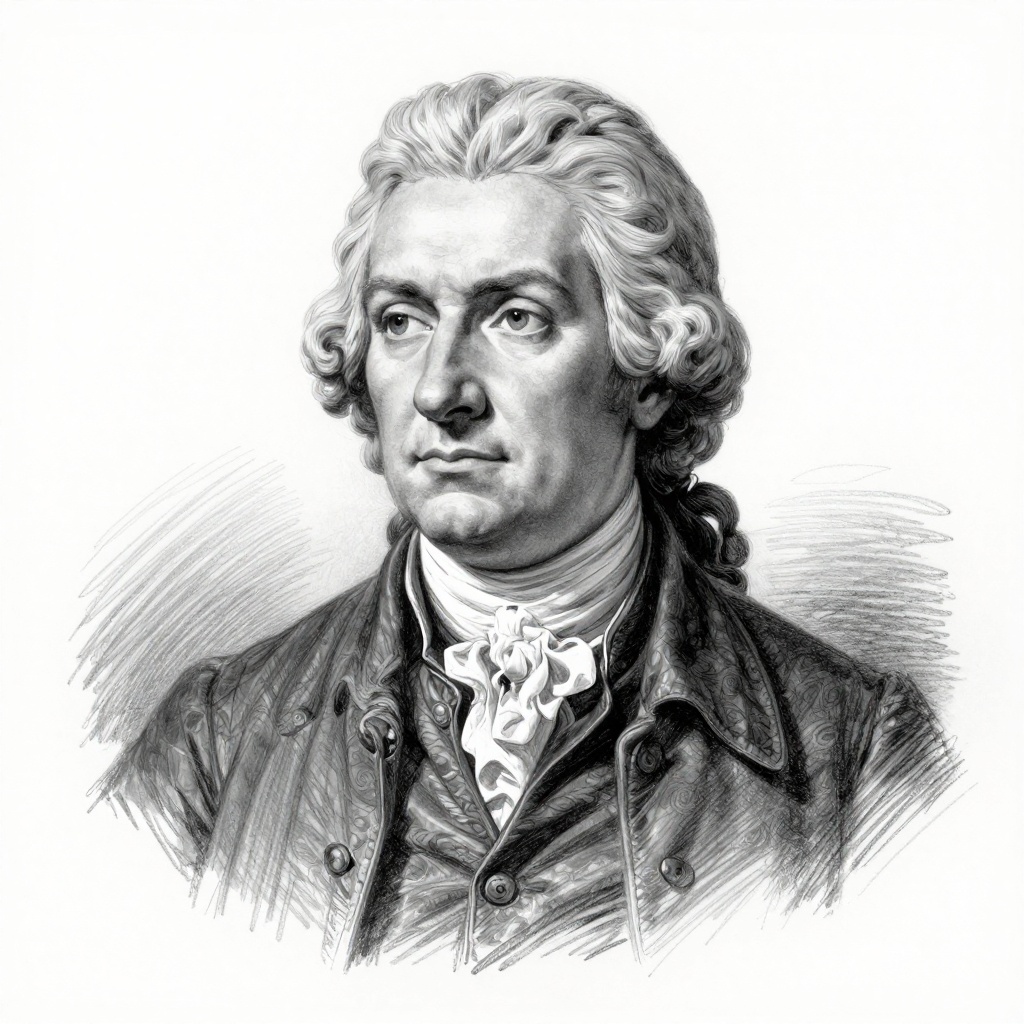
Comments