Quote · Added 14 February 2026
But constant experience shows us that every man invested with power is apt to abuse it, and to carry his authority as far as it will go.
MontesquieuThe Spirit of the Laws, p. 151, 1748
No ratings yet
Quote · Added 14 February 2026
We've all seen it happen—the newly promoted manager who suddenly needs approval for every decision, the volunteer coordinator who turns a simple task into a bureaucratic maze. Power has a peculiar gravity. It doesn't corrupt everyone equally, but it does shift how we see our own authority. When you have control over something, there's a quiet pressure to use it, to justify its existence, to expand it just a little further.
The tricky part is that this isn't about cartoon villains. It's about normal people in normal situations. The teacher who becomes stricter when given more classroom autonomy, the parent who makes rules tighter as their kids grow older—these aren't moral failures so much as human defaults. We naturally test boundaries, especially when nobody's watching closely. That's why systems matter more than we'd like to admit. Checks and balances aren't insulting assumptions about corruption; they're just acknowledgment that power operates on us in ways we don't fully notice in ourselves.
This matters today because we're all wielding more micro-power than ever before—over teams in Slack channels, in group chats, in the small kingdoms we carve out online. Knowing that authority naturally expands if unchecked isn't cynical. It's actually the first step toward wielding whatever power we have with a little more awareness.
1689–1755·lived 66 years
Montesquieu, born Charles-Louis de Secondat in 1689, was a French political philosopher and writer best known for his works on the theory of governance and the separation of powers. His seminal work, "The Spirit of the Laws," profoundly influenced modern political thought and the development of constitutional design. Montesquieu's ideas laid the groundwork for the principles of democracy and civil liberties, making him a key figure in the Enlightenment movement.
Also by Montesquieu
Useless laws weaken the necessary laws.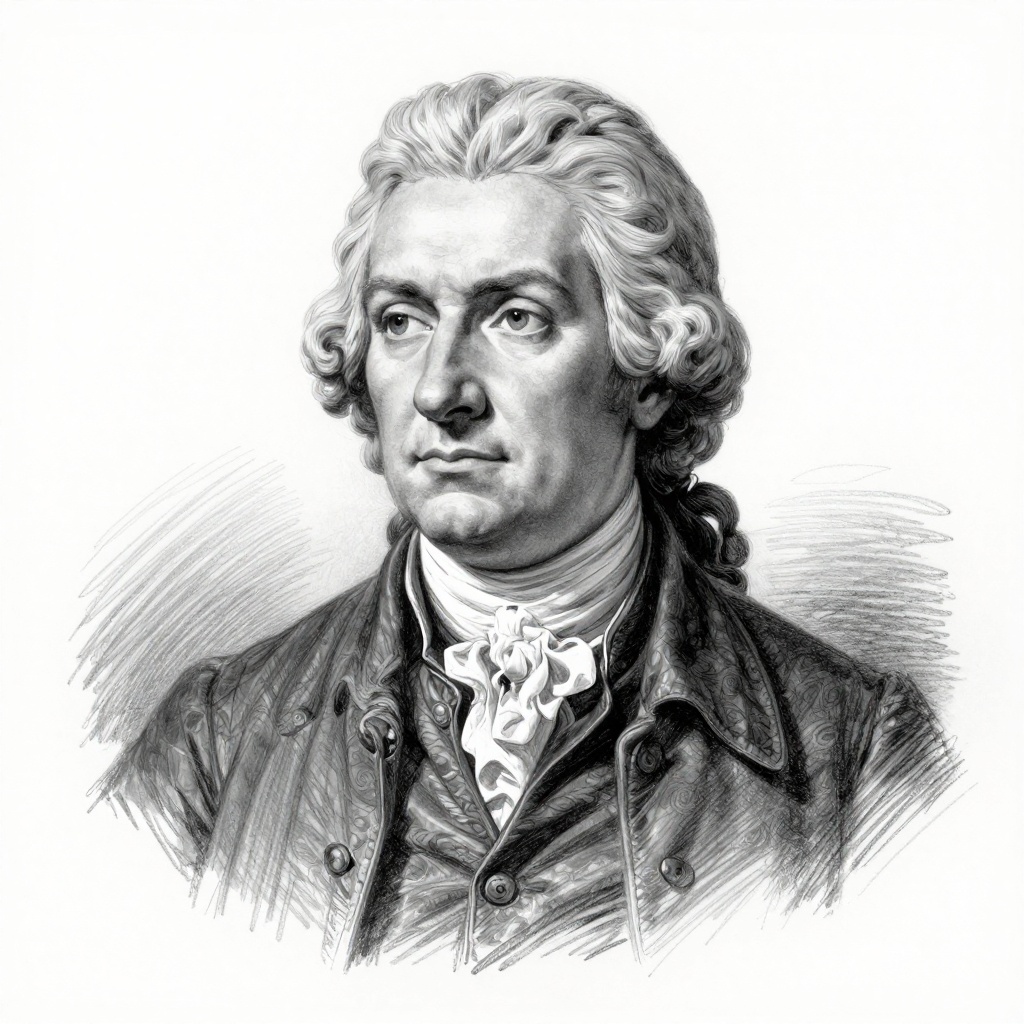
Comments