Quote · Added 14 February 2026
We die only once, and for such a long time.
MoliereThe Love-Tiff [Le Dépit Amoureux], Act 5, sc. 4, 1656 [tr. Van Laun, 1875]
No ratings yet
Quote · Added 14 February 2026
Most of us spend our lives running from this fact, stuffing our days with distraction and busyness. But there's something oddly clarifying about sitting with Molière's blunt observation: we get one shot, and then an eternity of not existing. It sounds morbid, but it's actually the opposite of depressing if you let it sink in the right way. It's permission to stop waiting for the perfect moment, the perfect conditions, the perfect version of yourself before you actually live.
The tricky part is that knowing this intellectually doesn't automatically change how we behave. We can agree completely that life is short and then still spend months postponing conversations we need to have, relationships we want to deepen, or work that actually matters to us. We act like we have infinite second chances, infinite tomorrows to get it right. The weight of Molière's words comes from recognizing that gap between what we know and what we do.
That long time after? It's not a threat to fear—it's a reason to take the living part seriously now. Not in an anxious, cramming-everything-in way, but in a way that makes you ask: if this is the only time I get, what actually deserves my attention today?
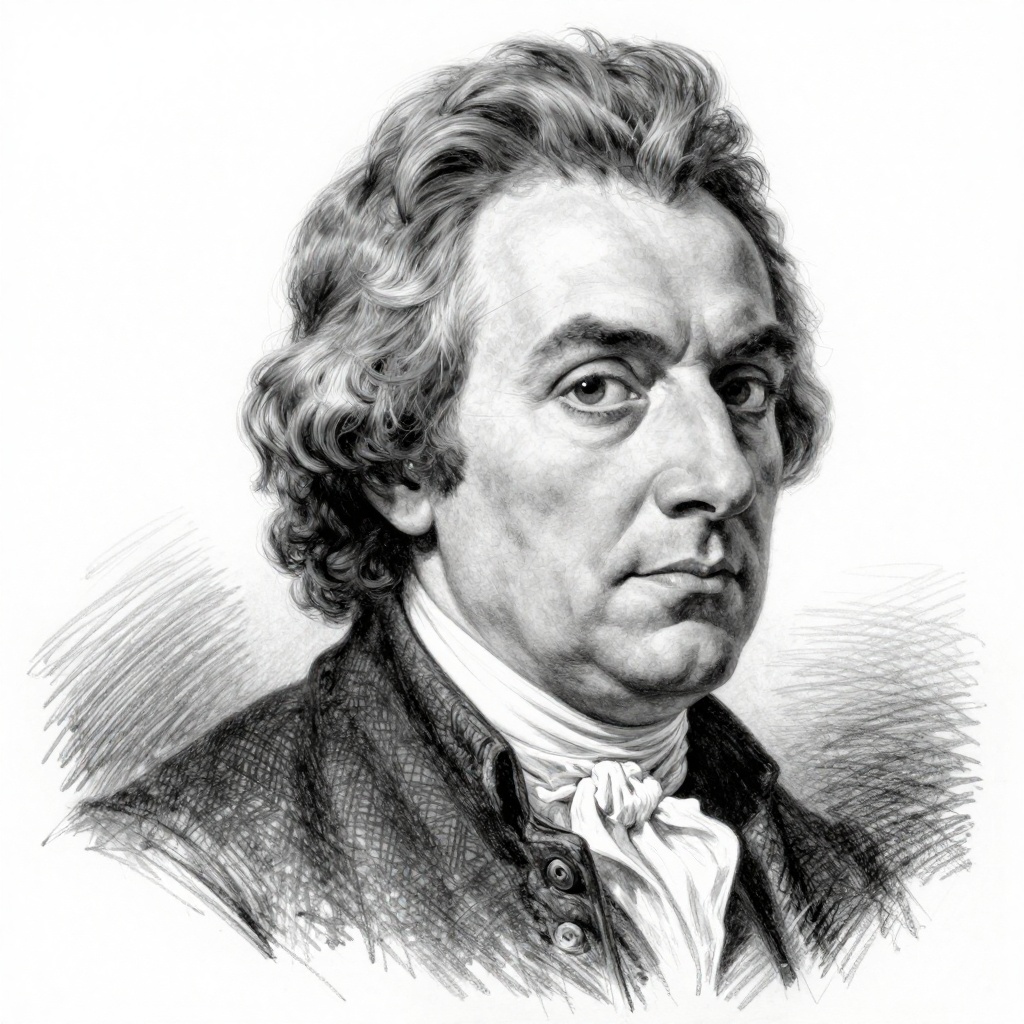
1622–1673·lived 51 years
Molière, born Jean-Baptiste Poquelin in 1622, was a French playwright and actor, widely regarded as one of the greatest masters of comedy in Western literature. He is best known for his satirical plays, including "Tartuffe," "The Misanthrope," and "A Midsummer Night's Dream," which critique social norms and human behavior. Molière's work has had a lasting influence on the development of modern theater and comedy.
Comments