Quote · Added 14 February 2026
The duty of comedy is to correct men by amusing them.
MoliereFirst Petition, presented to the King, 1664
No ratings yet
Filed undercomedy·duty·correction
Quote · Added 14 February 2026
Filed undercomedy·duty·correction
There's something quietly radical about this idea: that humor can be a tool for change rather than just an escape. When someone makes you laugh at yourself—really laugh—something shifts. You lower your defenses. You see your own blind spots reflected back, but filtered through comedy instead of criticism, which makes it actually bearable to look at.
This matters now maybe more than ever. We're drowning in direct confrontation, in people pointing out what's wrong with us or our choices. It bounces right off. But a good joke, a show that makes you giggle at human absurdity, a meme that nails the ridiculousness of a situation you're stuck in—that sneaks past our resistance. Laughter is a permission slip to think differently without feeling attacked. It's why satire hits harder than lectures, and why we remember the funny moment about our own foolishness far longer than we remember someone's anger about it.
The non-obvious part: comedy doesn't work through shame. It works through recognition and lightness. When Moliere says correction, he doesn't mean punishment—he means helping someone actually see and adjust. That's a generous view of humor's power, and it suggests that maybe the funniest thing we can do isn't mock people, but help them recognize themselves with some kindness baked in.
1622–1673·lived 51 years
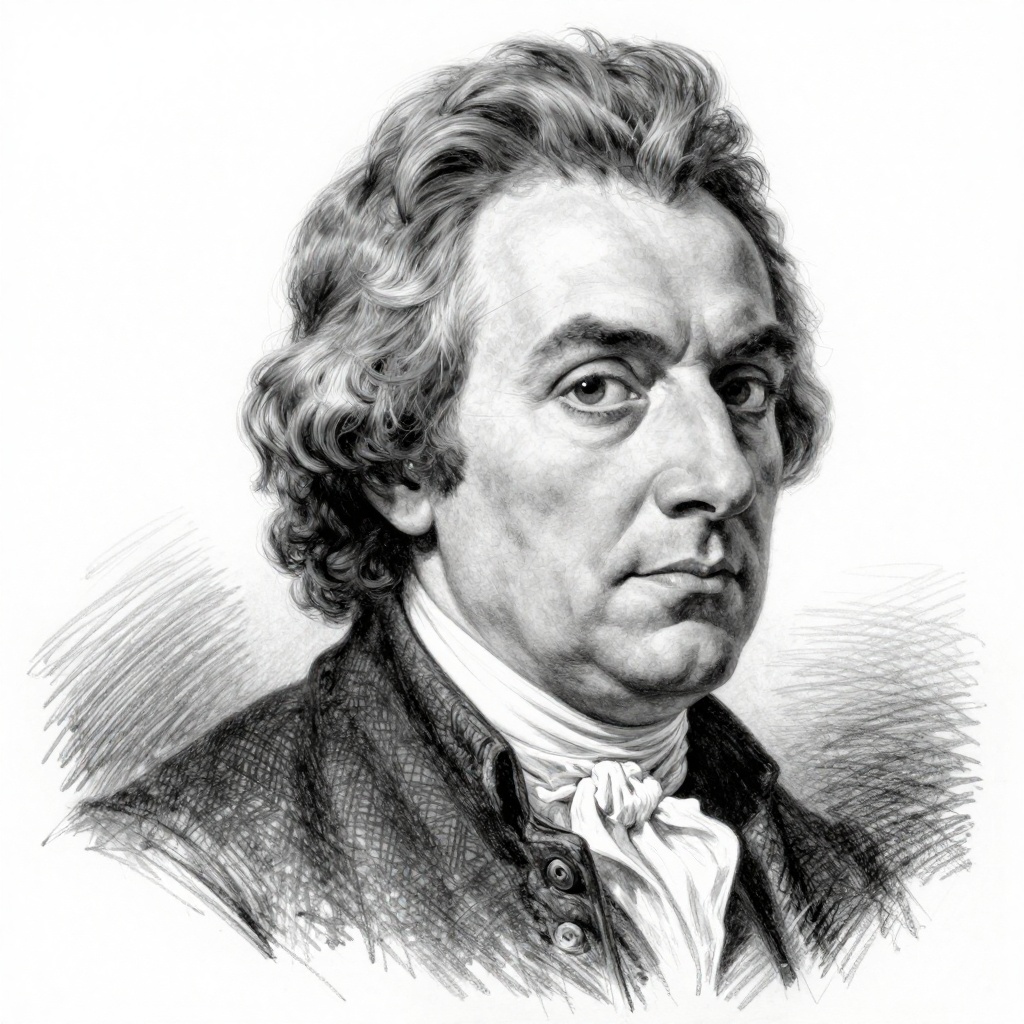
Molière, born Jean-Baptiste Poquelin in 1622, was a French playwright and actor, widely regarded as one of the greatest masters of comedy in Western literature. He is best known for his satirical plays, including "Tartuffe," "The Misanthrope," and "A Midsummer Night's Dream," which critique social norms and human behavior. Molière's work has had a lasting influence on the development of modern theater and comedy.
Comments