Quote · Added 10 February 2026
The greater the obstacle, the more glory in overcoming it.
MolièreLe Dépit Amoureux, 1656
No ratings yet
Filed underobstacle·glory·perseverance
Quote · Added 10 February 2026
Filed underobstacle·glory·perseverance
We tend to think of glory as something reserved for dramatic moments—climbing Everest, winning a championship, or landing a big career break. But Molière's insight is quietly radical: the real satisfaction, the stuff that actually sticks with you, comes from wrestling with something genuinely hard.
Think about the difference between a project that felt easy and one that didn't. The easy one fades. The hard one? You remember it. You grew from it. You probably tell people about it. That's because struggle creates meaning. When there's no real obstacle, there's no real proof you've become someone new. A victory handed to you doesn't change who you are. A victory you had to claw for does. It rewires your sense of what you're capable of.
The tricky part is that we're wired to avoid obstacles, not seek them out. But recognizing that difficulty itself is valuable—that the obstacle isn't a sign you're on the wrong path but actually evidence you're on a worthwhile one—shifts how you approach challenges. Suddenly a hard day at work, a difficult conversation, or a skill that won't come easily doesn't feel like punishment. It feels like the actual place where growth happens.
1622–1673·lived 51 years
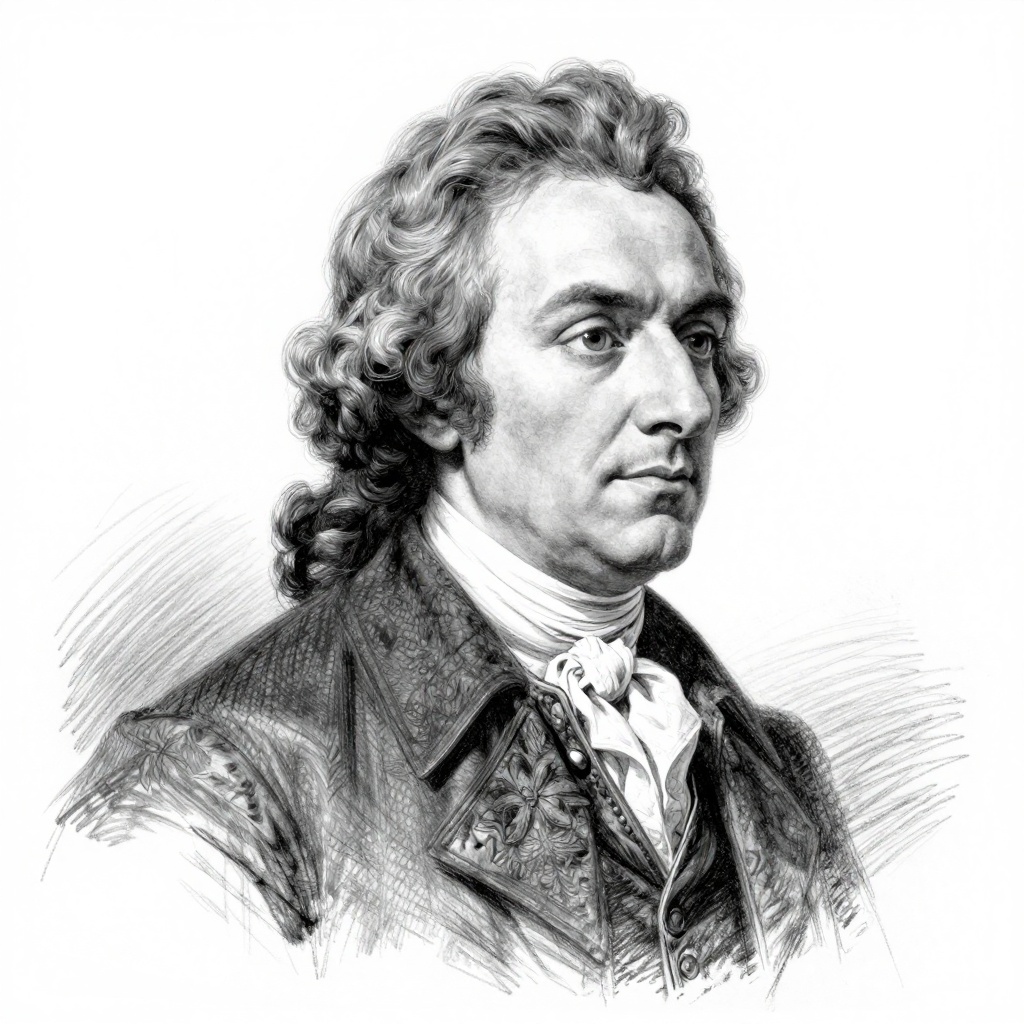
Molière was a French playwright and actor who is known for his contributions to comedic theater during the 17th century. He wrote and performed in numerous plays, including "Tartuffe," "The Misanthrope," and "The Imaginary Invalid," which are still widely performed and studied today. Molière is considered one of the greatest masters of comedy in Western literature.
Comments