Quote · Added 11 November 2023
Let the dogs bark, Sancho. It's a sign that we are moving forward.
Miguel de CervantesLadran, Sancho, señal que cabalgamos, 1808
Filed underdogs·progress·perseverance
Quote · Added 11 November 2023
Filed underdogs·progress·perseverance
When someone criticizes you—whether it's a skeptical comment at work, a dismissive remark about your ideas, or someone openly rooting against you—it's easy to interpret that as a sign you're doing something wrong. But Cervantes offers a counterintuitive thought: the barking itself might be the real signal you're on to something. It suggests that criticism and resistance aren't obstacles to progress; they're almost predictable companions to it. The dogs bark because you're moving, not despite it.
This reframes a common source of anxiety in modern life. We often treat criticism as evidence we should stop, reconsider, or abandon course. But think about it: people don't usually waste energy attacking what doesn't threaten or challenge them. They ignore stagnation; they bark at movement. That doesn't mean every critic is wrong or that you should dismiss legitimate feedback. It means you shouldn't let noise alone derail you. The real question isn't whether the dogs are barking—they probably will be. It's whether you're actually moving somewhere worth going.
The unexpected part? Sometimes the barking is actually a compass. If nobody's bothering to criticize, it might be worth asking whether you're moving at all.
1547–1616·lived 68 years
Miguel de Cervantes was a Spanish writer and author best known for his novel "Don Quixote." Regarded as one of the greatest works of literature, "Don Quixote" is considered the first modern European novel and has had a profound influence on the development of fiction.
Also by Miguel de Cervantes
The truth may be stretched thin, but it never breaks, and it always surfaces above lies, a...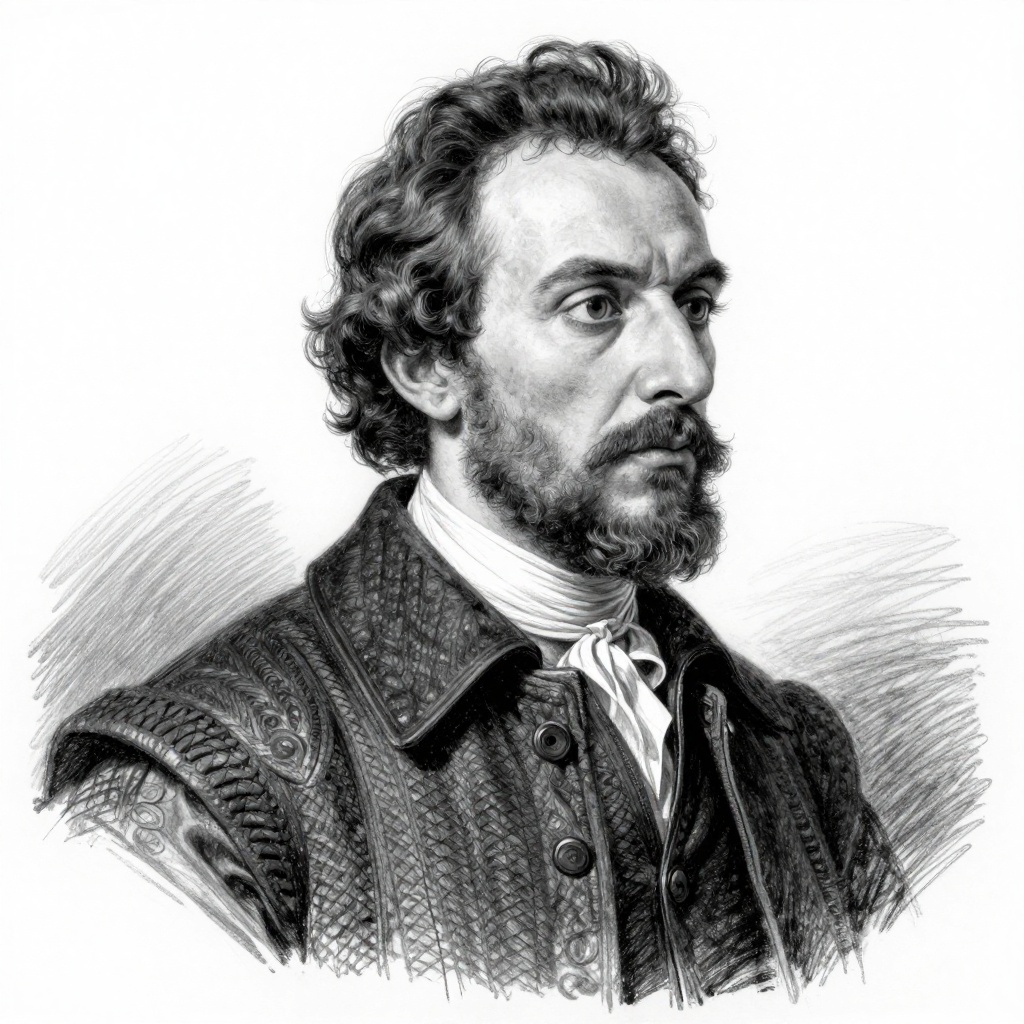
Comments