Quote · Added 10 February 2026
Reading
AI generatedThe real failure you'll regret
Most of us never have to worry about failing at something ambitious. Our real problem is that we've already decided what's possible before we even try. We aim for the safe promotion, the comfortable relationship, the hobby we can squeeze in on weekends. Then we hit those targets, feel a little satisfied, and wonder why we're not more fulfilled. We've succeeded at something that never really stretched us.
The tricky part is that low aims feel protective. They're achievable, so we won't humiliate ourselves. They're "realistic," which is what responsible adults are supposed to be. But there's a quiet trap here: when you finally accomplish what you planned, you get to feel successful without having to risk anything real. You can tell yourself you aimed right. The problem is that you've now organized your life around someone else's definition of reasonable rather than your own sense of what matters.
The shift isn't about delusional thinking or toxic positivity. It's about being honest about which version of failure actually haunts you. Most people don't lie awake regretting the ambitious thing they tried and fell short on. They regret the thing they never attempted because it seemed too big. That's the failure that sticks around.
The author
All 9 quotes by Michelangelo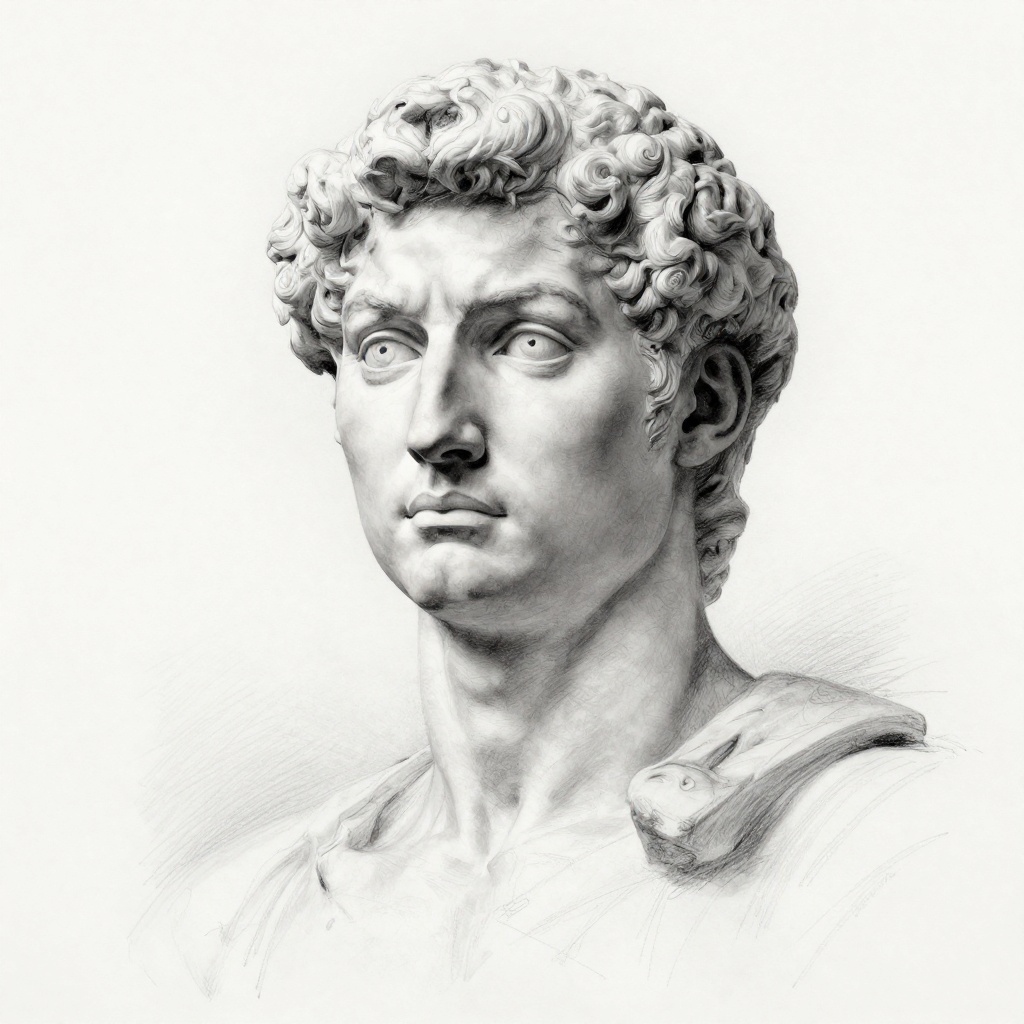
Michelangelo
1475–1564·lived 88 years
Michelangelo was an Italian sculptor, painter, and architect of the High Renaissance. He is best known for his iconic works such as the David sculpture and the ceiling of the Sistine Chapel in Vatican City, showcasing his exceptional skills in art and design.
Comments