Quote · Added 7 March 2026
A man paints with his brains and not with his hands.
Filed underart·creativity·intellect
Quote · Added 7 March 2026
Filed underart·creativity·intellect
The real work happens before you ever start. When Michelangelo said this, he wasn't dismissing skill or technique—he was pointing to something people often miss: that execution is almost secondary to vision. You can have perfect hands but a confused mind, and you'll produce mediocre work. But if you know exactly what you're trying to create and why, your hands will find a way to get there, even if they're imperfect.
This matters in everyday life because we're often seduced by the doing part. We start projects, rearrange furniture, launch into conversations without actually thinking through what we want the outcome to be. We mistake motion for progress. But whether you're writing an email, designing your career, or solving a problem at work, the quality of your thinking determines the quality of what emerges. Two people with identical tools and abilities can produce completely different results based on how clearly they've thought things through beforehand.
The slightly tricky part is that this cuts both ways: it's liberating because you don't need everything perfect to start, but it's also humbling because it means confusion and muddled thinking will show up in your work no matter how hard you try. The work to do is internal first.
1475–1564·lived 88 years
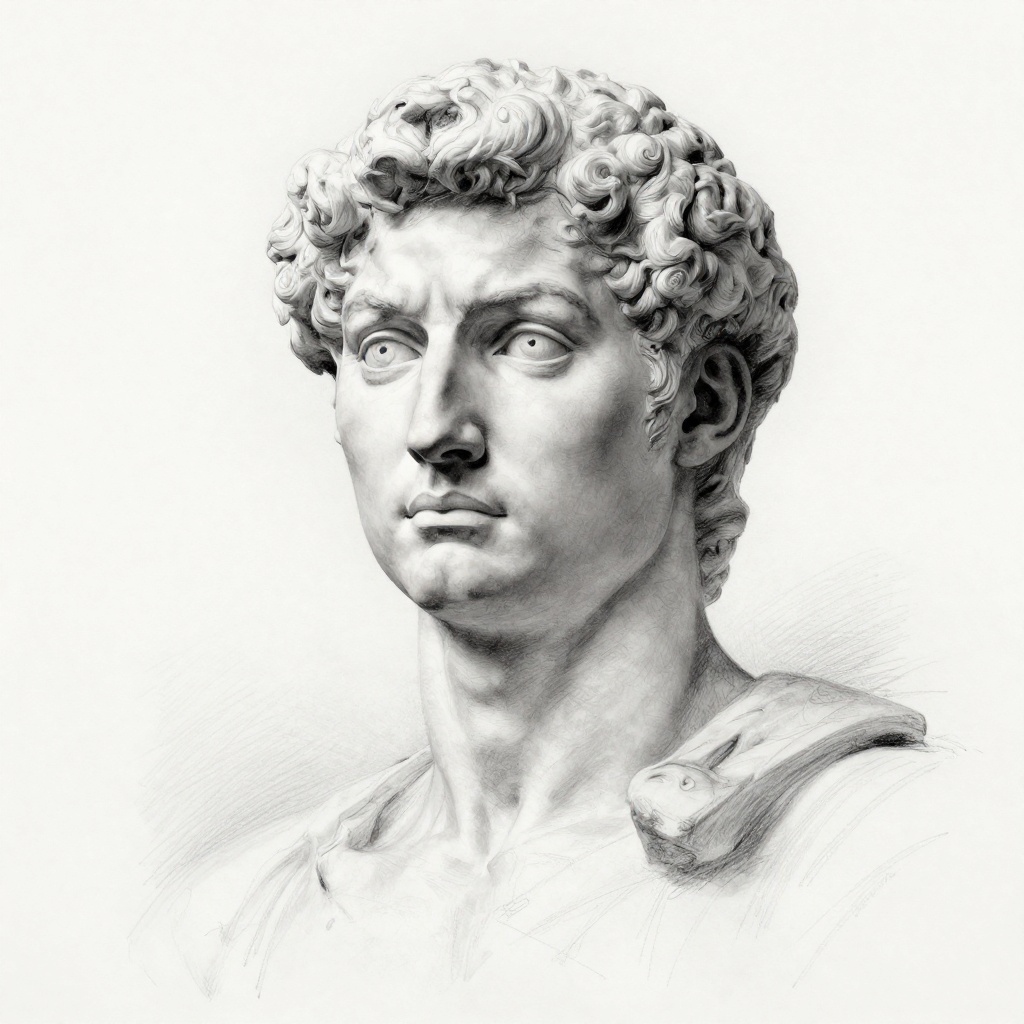
Michelangelo was an Italian sculptor, painter, and architect of the High Renaissance. He is best known for his iconic works such as the David sculpture and the ceiling of the Sistine Chapel in Vatican City, showcasing his exceptional skills in art and design.
Comments