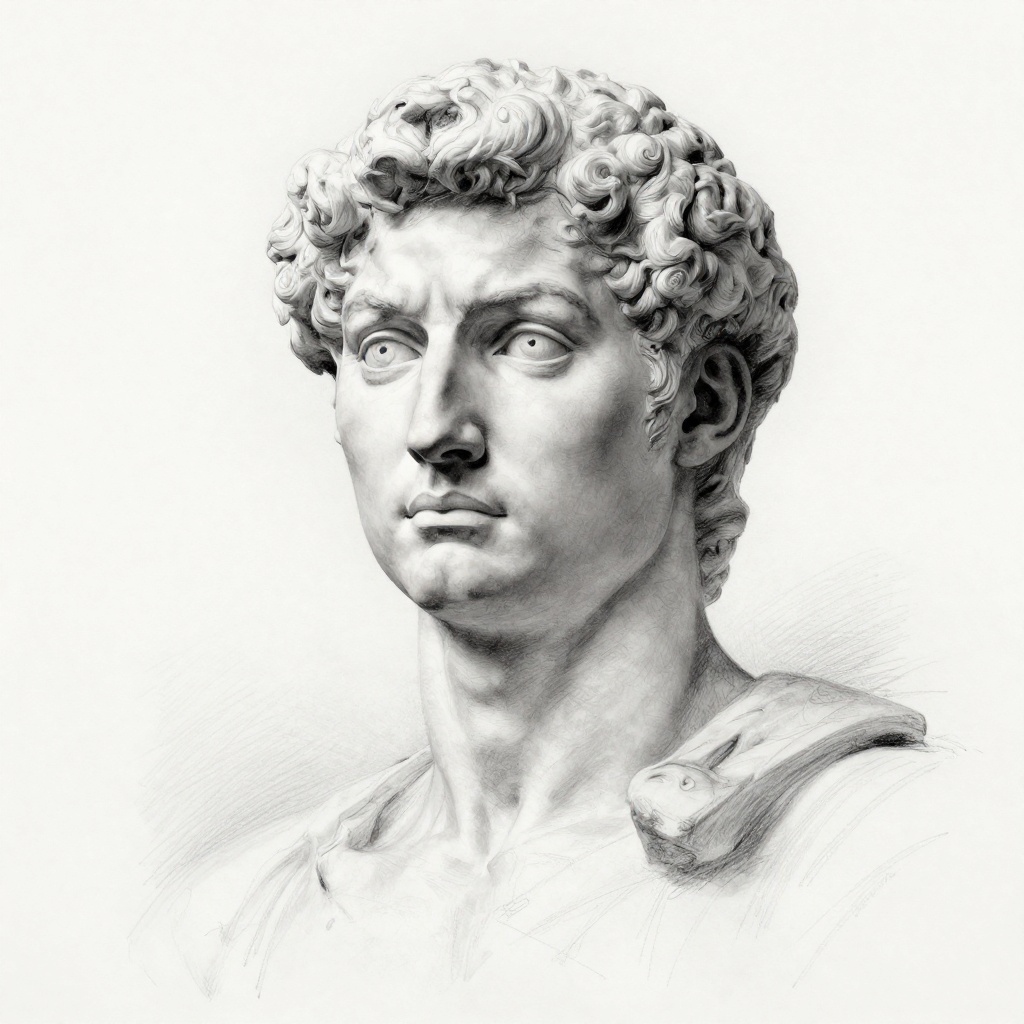
Many believe - and I believe - that I have been designated for this work by God. In spite of my old age, I do... — Michelangelo

Many believe - and I believe - that I have been designated for this work by God. In spite of my old age, I do not want to give it up; I work out of love for God and I put all my hope in Him.

Author: Michelangelo

Insight: There's something quietly radical about an 80-year-old man saying he's not done yet. Michelangelo wasn't being polite or humble here—he was declaring that his work still mattered, that age hadn't made him obsolete. We live in a culture obsessed with youth and fresh starts, so hearing someone say "I'm old and I'm still necessary" lands differently than it might have in the Renaissance. It challenges our assumption that ambition is something you eventually outgrow, that at a certain point you're supposed to step aside and let younger people take over. What's interesting is that he ties this to love rather than ego or stubbornness. He's not saying "I'm too talented to retire" but rather "I can't stop because this work matters more than my comfort." That distinction matters. It suggests that some people find their deepest satisfaction not in recognition or money, but in contributing to something they believe in. The hope he mentions—placing it entirely in God—might sound distant to modern ears, but it's really just another way of saying he trusts the work itself, that he's found meaning in the doing. It's a useful reminder that feeling useful doesn't have an expiration date. Whatever your work is, that impulse to keep going because something still needs doing—that's not delusion. That's sometimes exactly what we're here for.

Age Doesn't End What Matters

Many believe - and I believe - that I have been designated for this work by God. In spite of my old age, I do not want to give it up; I work out of love for God and I put all my hope in Him.

There's something quietly radical about an 80-year-old man saying he's not done yet. Michelangelo wasn't being polite or humble here—he was declaring that his work still mattered, that age hadn't made him obsolete. We live in a culture obsessed with youth and fresh starts, so hearing someone say "I'm old and I'm still necessary" lands differently than it might have in the Renaissance. It challenges our assumption that ambition is something you eventually outgrow, that at a certain point you're supposed to step aside and let younger people take over.

What's interesting is that he ties this to love rather than ego or stubbornness. He's not saying "I'm too talented to retire" but rather "I can't stop because this work matters more than my comfort." That distinction matters. It suggests that some people find their deepest satisfaction not in recognition or money, but in contributing to something they believe in. The hope he mentions—placing it entirely in God—might sound distant to modern ears, but it's really just another way of saying he trusts the work itself, that he's found meaning in the doing.

It's a useful reminder that feeling useful doesn't have an expiration date. Whatever your work is, that impulse to keep going because something still needs doing—that's not delusion. That's sometimes exactly what we're here for.

AI generated

Comments

Sign in to leave a comment or reply to one.

Sign in

Michelangelo

Michelangelo was an Italian sculptor, painter, and architect of the High Renaissance. He is best known for his iconic works such as the David sculpture and the ceiling of the Sistine Chapel in Vatican City, showcasing his exceptional skills in art and design.

Graph

Related