Quote · Added 14 February 2026
Genius is eternal patience.
MichelangeloThe Complete Poems of Michelangelo, p. 45, 1994
Filed undergenius·patience·perseverance
Quote · Added 14 February 2026
Filed undergenius·patience·perseverance
There's a real gap between how we picture genius and how it actually works. We imagine the lightning-bolt moment—the sudden insight, the breakthrough that feels almost magical. But Michelangelo is pointing at something quieter and less romantic: genius is mostly just showing up and doing the work, over and over, until something extraordinary emerges.
This matters because we live in a culture that prizes speed and immediate results. We want the insight without the years of mundane repetition, the masterpiece without the thousands of hours of practice that no one sees. But when you look at anyone genuinely good at something—whether it's writing, coding, parenting, or learning an instrument—you find the same pattern: they've simply been patient enough to stay with it longer than most people can tolerate. They've endured the boring, repetitive phase that breaks most people's resolve.
The non-obvious part is that this reframes failure and slow progress as signs you're on the right track, not that you lack talent. If genius requires patience, then struggling through difficulty actually proves you're capable of it. The question becomes not "Am I smart enough?" but "Am I willing to keep going?"
1475–1564·lived 88 years
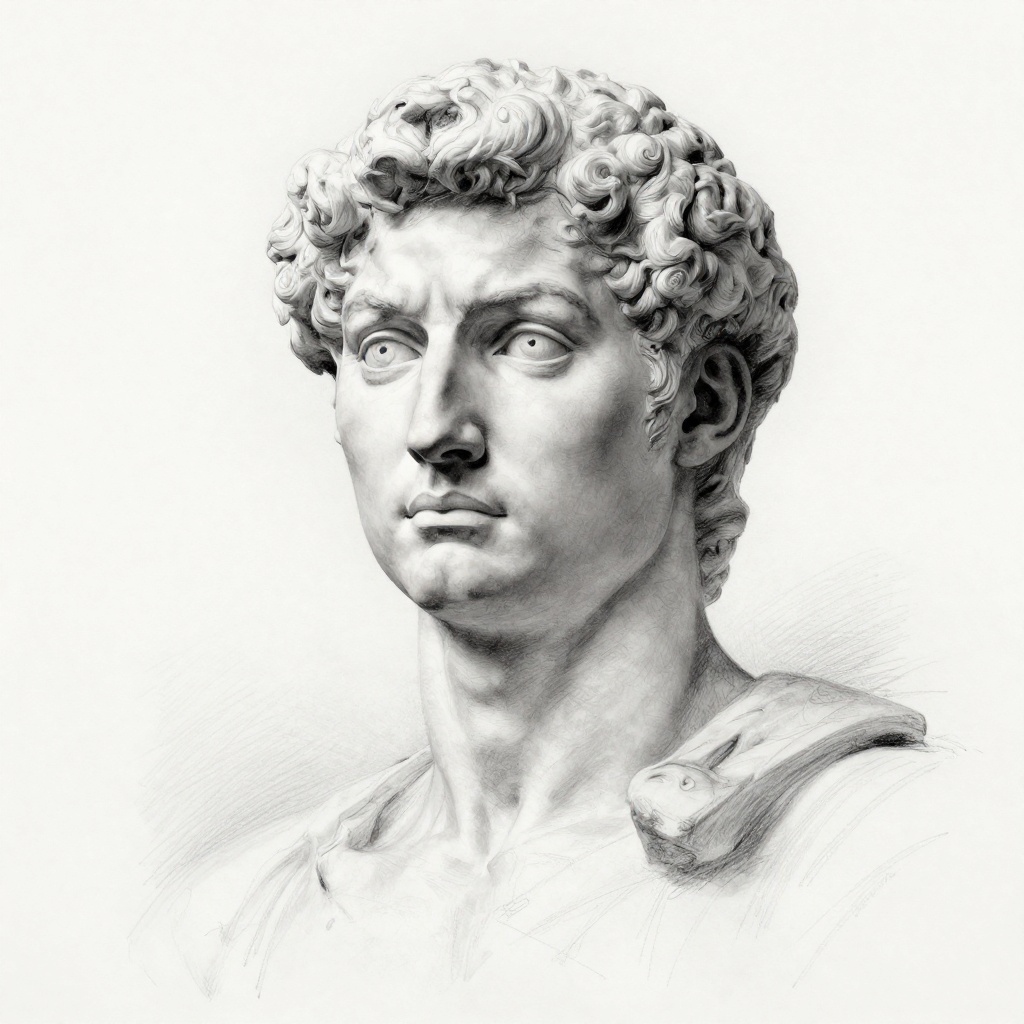
Michelangelo was an Italian sculptor, painter, and architect of the High Renaissance. He is best known for his iconic works such as the David sculpture and the ceiling of the Sistine Chapel in Vatican City, showcasing his exceptional skills in art and design.
Comments