Quote · Added 11 February 2026
None so deaf as those that will not hear. None so blind as those that will not see.
No ratings yet
Quote · Added 11 February 2026
We've all met someone who asks for advice, then argues with every word we say. Or encountered people who see devastating evidence of a problem and somehow remain convinced it doesn't exist. The frustrating part isn't usually their inability to hear or see—it's that they've already decided not to.
This quote cuts to something deeper than physical deafness or blindness. It's about the active choice to turn away. We do this more than we'd like to admit. Maybe we ignore a friend's gentle feedback because we're invested in how we see ourselves. Maybe we scroll past news that contradicts what we believe. Maybe we notice our habits are hurting us but tell ourselves we'll deal with it later. The deafness and blindness are voluntary—which makes them both more understandable and harder to forgive.
The twist is that recognizing this in ourselves is actually harder than spotting it in others. It's easier to think someone else is stubbornly refusing to listen than to ask ourselves what we're refusing to hear. That self-awareness—noticing when we've already made up our minds and closed the door—might be the first step toward actually being able to listen again.
1662–1714·lived 51 years
Matthew Henry was a renowned English minister and Bible commentator, known for his influential "Exposition of the Old and New Testaments," which is still widely used today. He was born in 1662 and his detailed and insightful commentary remains highly regarded for its theological and practical insights into the Scriptures.
Also by Matthew Henry
After a storm comes a calm.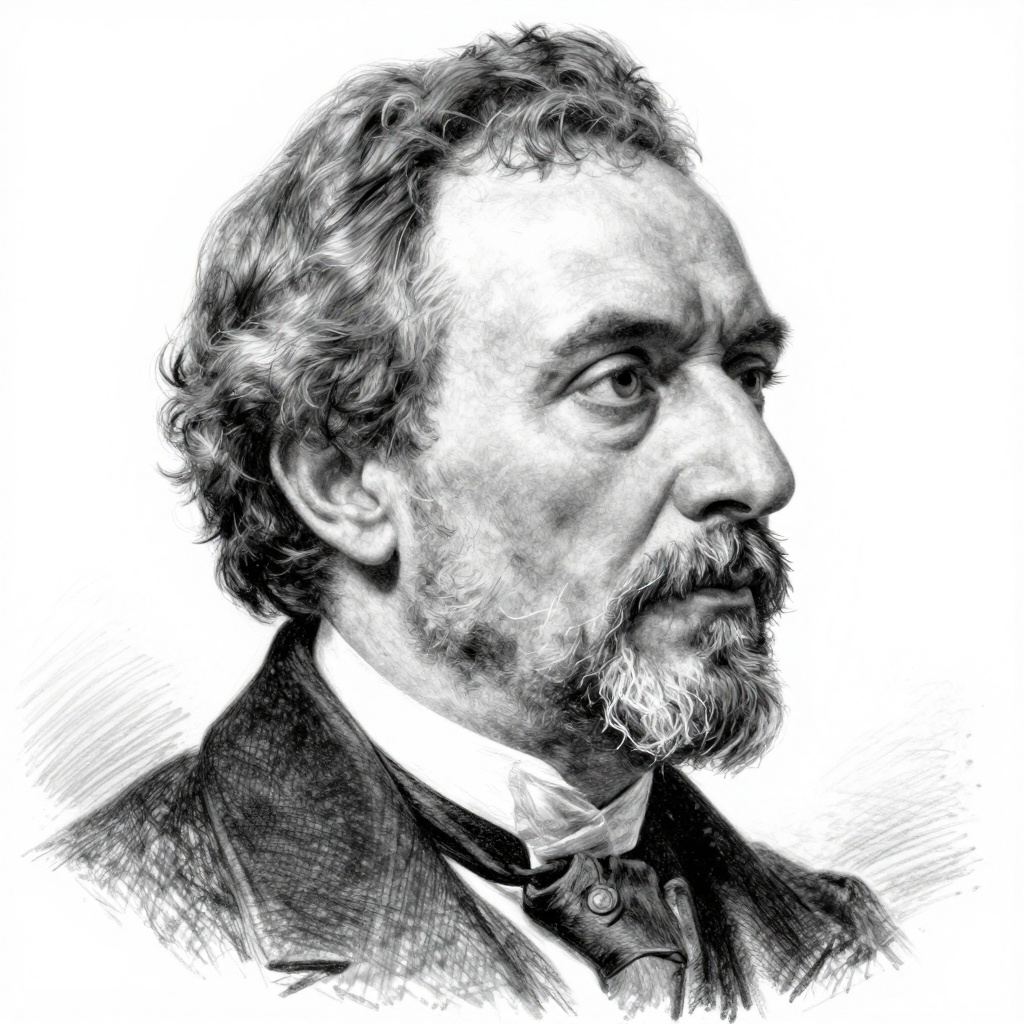
Comments