Quote · Added 10 February 2026
After a storm comes a calm.
No ratings yet
Filed undercalm·resilience·hope
Quote · Added 10 February 2026
Filed undercalm·resilience·hope
We know this is true in weather, but we resist believing it about our lives. When you're in the middle of something hard—a difficult conversation, a job loss, a health scare—it feels permanent. The storm becomes your new reality, and the idea that it might pass seems naive, almost insulting. Yet if you've lived long enough, you've noticed the pattern: the panic does fade. The sleepless nights eventually end. The weight lifts, even if just a little.
The tricky part is that knowing this intellectually doesn't make waiting easier. We want the calm immediately, or we want proof it's coming. But there's something quietly powerful in simply remembering that intensity, by definition, doesn't sustain itself. It can't. Even the worst situations eventually become the past, even if they leave marks. The calendar keeps turning. New days arrive whether we're ready or not.
This isn't about toxic positivity or pretending the storm doesn't matter. It's about recognizing that survival isn't some superhuman feat—it's just what happens next. And then the next thing after that. The calm comes not because you earned it or because you're strong enough, but because that's how time actually works. Storms pass. Then you get to stand in the quiet for a while.
1662–1714·lived 51 years
Matthew Henry was a renowned English minister and Bible commentator, known for his influential "Exposition of the Old and New Testaments," which is still widely used today. He was born in 1662 and his detailed and insightful commentary remains highly regarded for its theological and practical insights into the Scriptures.
Also by Matthew Henry
None so deaf as those that will not hear. None so blind as those that will not see.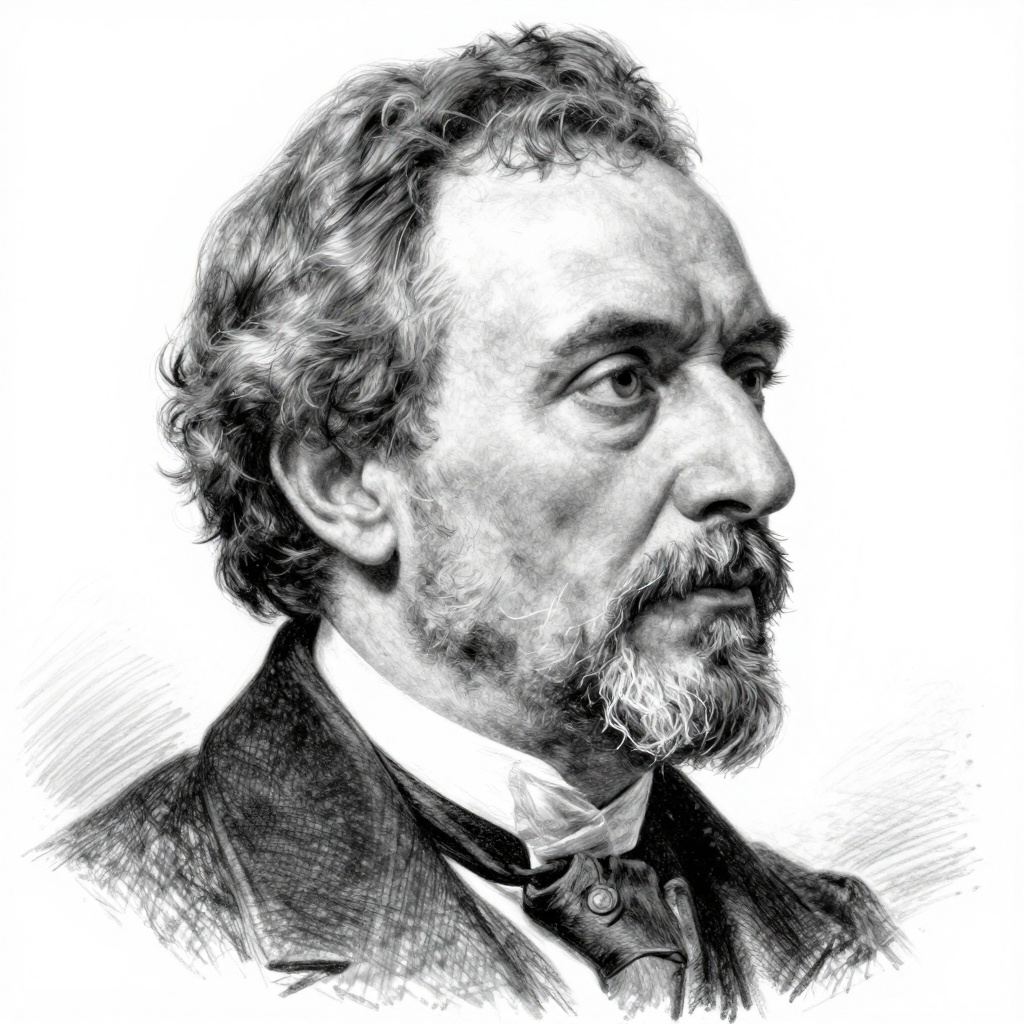
Comments