Quote · Added 14 February 2026
Everything that is done in the world is done by hope.
Filed underhope·action·motivation
Quote · Added 14 February 2026
Filed underhope·action·motivation
We live in a culture that often celebrates certainty, confidence, and guaranteed outcomes. So we don't usually think of hope as the engine behind things actually happening. But Luther's point cuts deeper than inspiration posters suggest. Hope isn't about blind optimism or wishful thinking—it's the quiet decision to believe something is worth doing even when the result isn't assured.
Look at what moves people to action in real life. Someone starts a business without knowing if it'll succeed. A parent works a job they don't love because they hope it creates something better for their kids. You try again at a relationship, a creative project, or a difficult conversation even though past attempts failed. Without hope—without some bedrock belief that effort might matter—most of these things never begin. They require betting on a future you can't see yet.
The unexpected part? Hope isn't weakness or naivety. It's actually a form of courage. It's accepting that you can't control outcomes while choosing to act anyway. Every meaningful change in history, from social movements to personal transformation, required people willing to do things without a guarantee. Hope is what separates dreamers from people who get things done.
1483–1546·lived 62 years
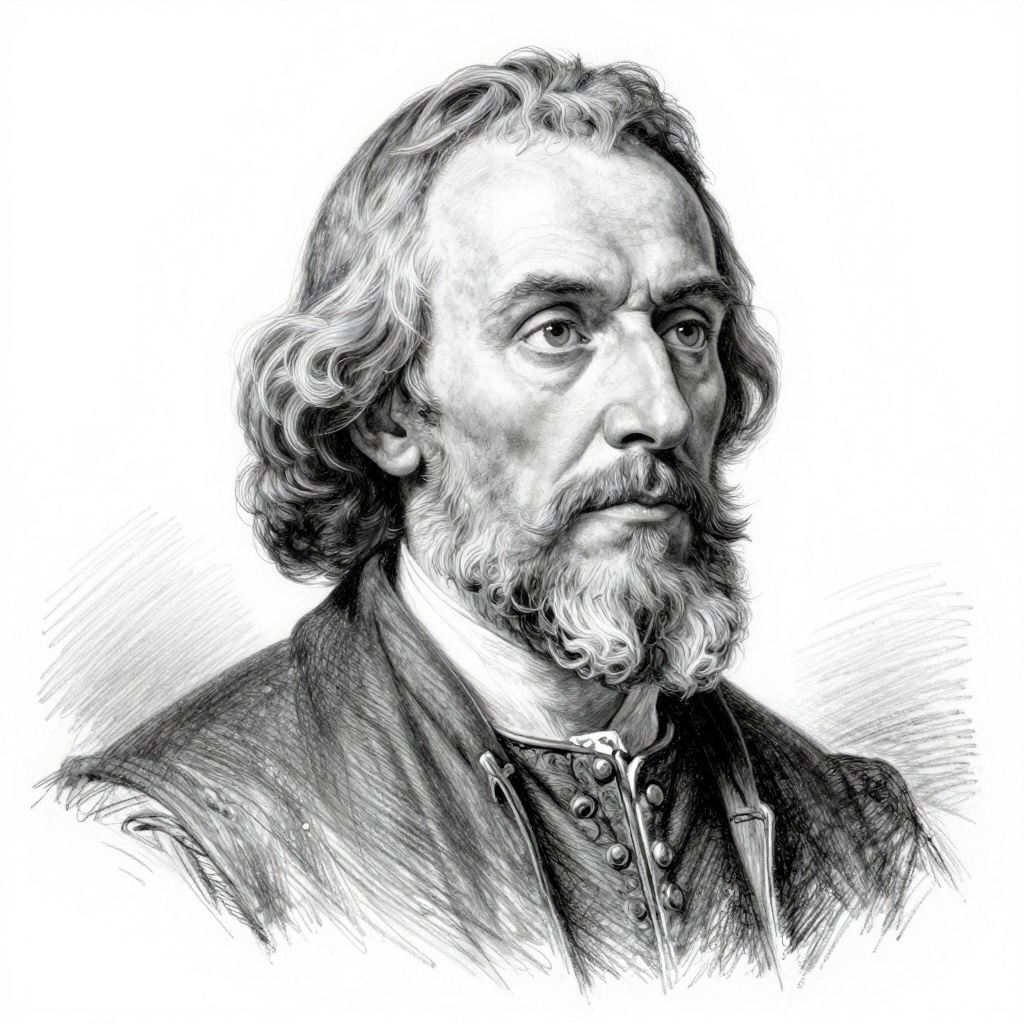
Martin Luther was a German theologian, professor, and prominent figure of the Protestant Reformation in the 16th century. He is best known for challenging the teachings of the Roman Catholic Church, particularly the sale of indulgences, and for his Ninety-Five Theses which sparked a wave of religious reform across Europe.
Comments