Quote · Added 28 February 2026
Reading
AI generatedThe phantom debt we keep paying
We've all done it—spent hours running through worst-case scenarios, replaying conversations, imagining disasters that never materialize. The strange thing about worry is how it feels productive while you're doing it, like you're getting ahead of problems. But you're not solving anything. You're just paying interest on a loan you never took out.
The real cost isn't just the mental exhaustion, though that's real enough. It's the way worry steals your attention from what's actually happening right now. You miss the good parts of today because you're mentally living in a crisis that probably won't occur. And if it does? Worrying won't have prepared you—action might have, but worry alone just drains you beforehand and leaves you tired when you actually need to deal with something.
The non-obvious part: sometimes we cling to worry because it feels like control. If we're anxious about something, at least we're doing something about it, even if that something is just spinning in our own heads. Breaking that habit means accepting that some things are actually outside our influence, and that's uncomfortable. But it's also liberating—once you stop paying that phantom debt, you notice how much energy suddenly becomes available.
The author
All 108 quotes by Mark Twain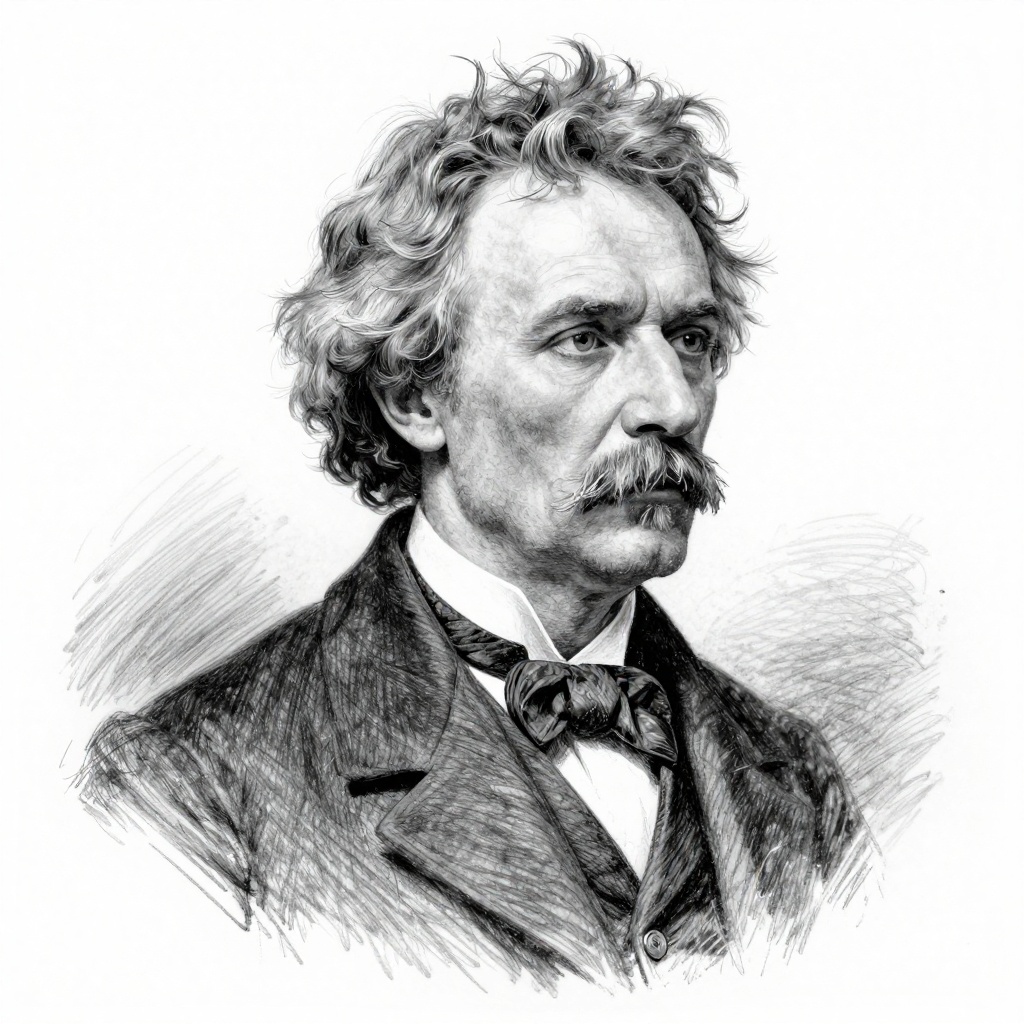
Mark Twain
1835–1910·lived 74 years
Mark Twain was an American writer and humorist known for his classic novels "Adventures of Huckleberry Finn" and "The Adventures of Tom Sawyer." His works often reflected his wit, satire, and keen observations on American society, solidifying his place as one of the greatest American authors of all time.
Also by Mark Twain
There are no laughs in life unless you take them yourself.
Comments