Quote · Added 28 March 2026
Twenty years from now you’ll be more disappointed by the things you did not do than the ones you did.
Filed underdisappointment·reflection·action
Quote · Added 28 March 2026
Filed underdisappointment·reflection·action
Most of us spend tremendous energy worrying about decisions we make—replaying conversations, second-guessing choices, catastrophizing about potential failures. We've built entire mental habits around the fear of doing the wrong thing. But here's what's strange: the regrets that actually stick with us decades later almost never come from attempts that flopped. They come from the chances we never took, the conversations we dodged, the applications we didn't submit because we were already convinced we'd fail anyway.
There's something about inaction that compounds in a way failure never does. When you try something and it doesn't work, at least you have the story—the learning, the memory of yourself as someone who dared. But when you don't try, you get to keep the fantasy of what might have happened, which is somehow worse than any real outcome. You also lose all the small growths that come from stepping outside your comfort zone, and those add up invisibly over years.
This doesn't mean recklessness or ignoring legitimate obstacles. It means recognizing that your future self won't care much about the embarrassing presentation or the rejection email. But they absolutely will care that you stayed small because staying safe felt easier at the time.
1835–1910·lived 74 years
Mark Twain was an American writer and humorist known for his classic novels "Adventures of Huckleberry Finn" and "The Adventures of Tom Sawyer." His works often reflected his wit, satire, and keen observations on American society, solidifying his place as one of the greatest American authors of all time.
Also by Mark Twain
There are no laughs in life unless you take them yourself.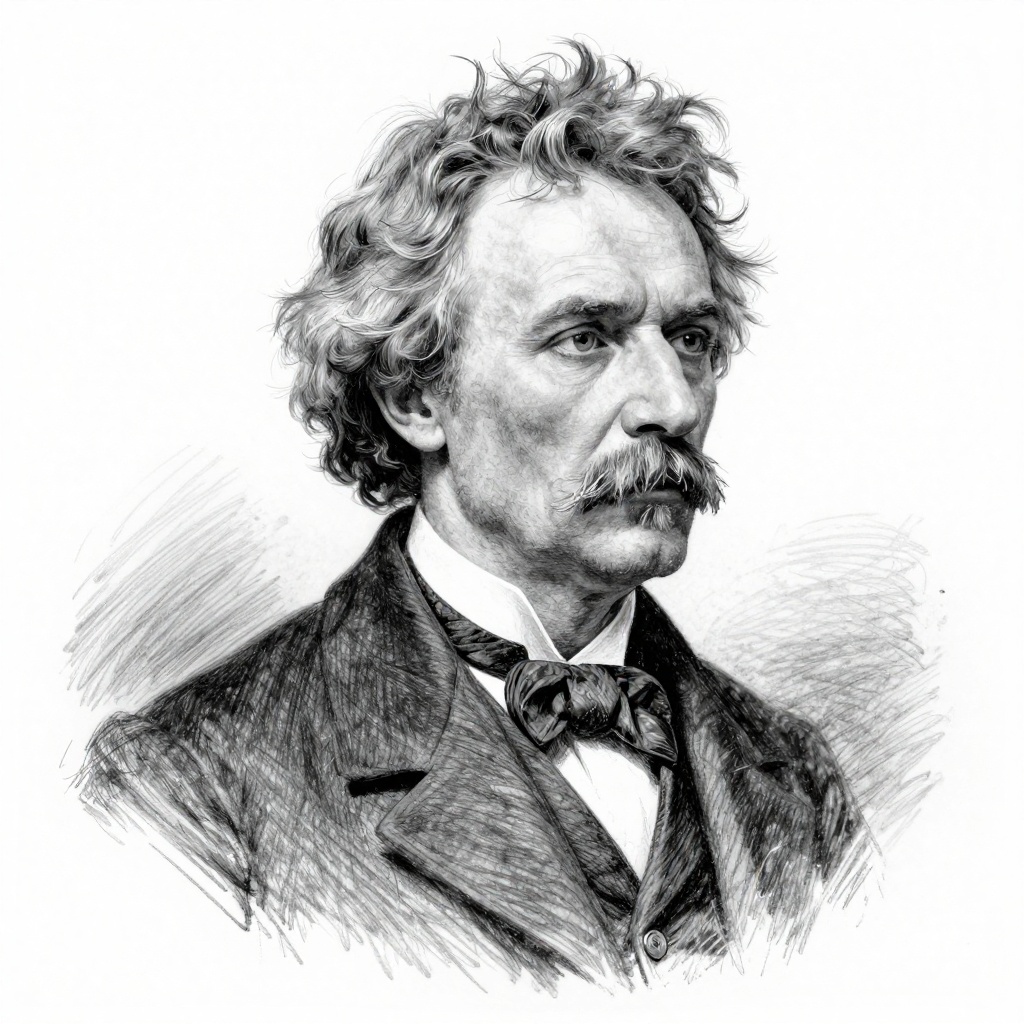
Comments