Quote · Added 14 February 2026
Truth is stranger than fiction, but it is because Fiction is obliged to stick to possibilities; Truth isn't.
Mark TwainFollowing the Equator, p. 190, 1897
Filed undertruth·fiction·possibilities
Quote · Added 14 February 2026
Filed undertruth·fiction·possibilities
We all have that moment when real life does something no novelist would dare write—a coincidence too perfect, a plot twist too absurd, a stranger's story too wild to be believable on the page. But here's what Twain caught: fiction has to follow rules that reality doesn't. A good story needs internal logic, cause and effect we can follow, characters who behave in ways readers can grasp. Reality has no such obligation. It can pile on the improbable, skip the explanation, and move on.
This matters because it explains why we sometimes distrust true stories while believing obvious fiction. Our brains are trained by novels and films to expect narrative shape, patterns we can predict. When actual life refuses to cooperate—when the random actually happens, when luck genuinely breaks against odds—it can feel less true, not more. We catch ourselves thinking a real event "seems made up," which is backward but understandable.
The flip side is oddly liberating: you don't have to justify your life by novelistic standards. Real people can be contradictory, their day can take seven unexpected turns, their choices can defy logic and still be honest. Truth doesn't owe anyone a satisfying narrative arc.
1835–1910·lived 74 years
Mark Twain was an American writer and humorist known for his classic novels "Adventures of Huckleberry Finn" and "The Adventures of Tom Sawyer." His works often reflected his wit, satire, and keen observations on American society, solidifying his place as one of the greatest American authors of all time.
Also by Mark Twain
There are no laughs in life unless you take them yourself.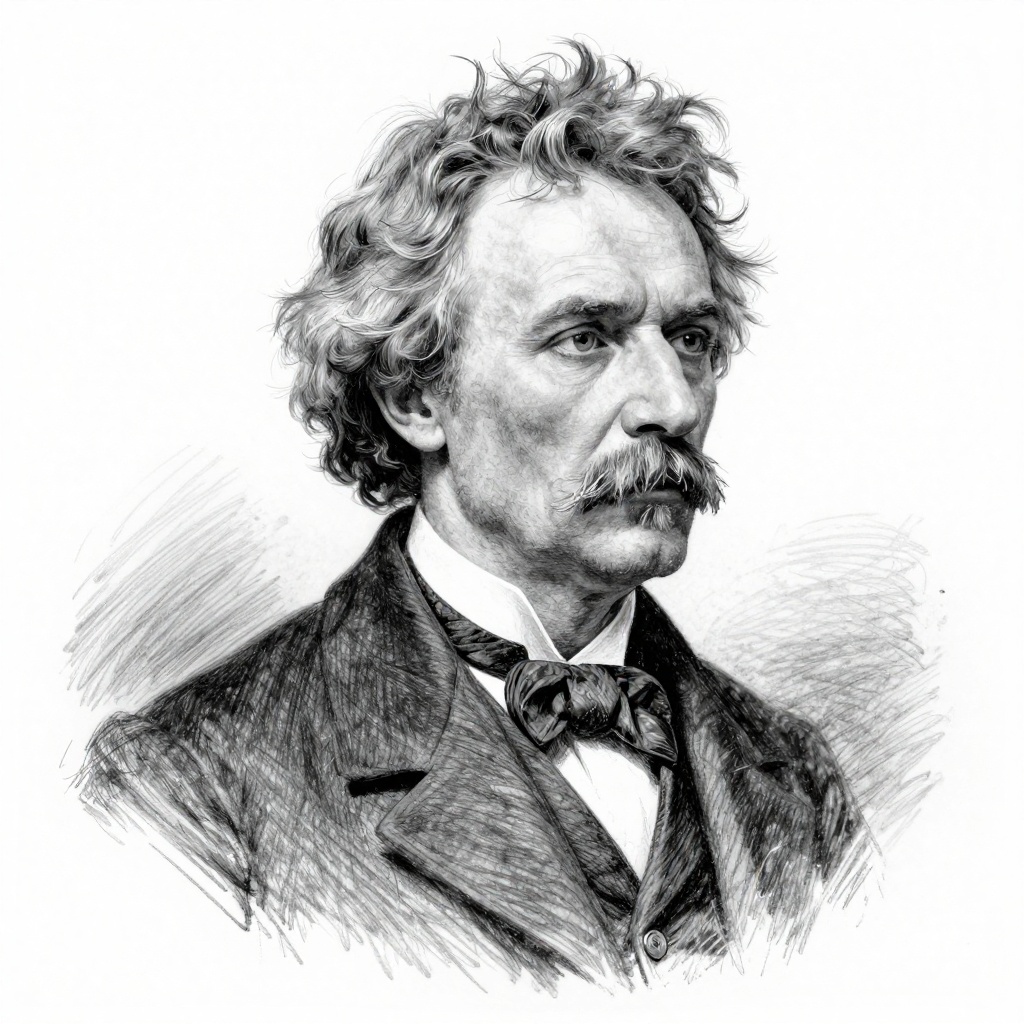
Comments