Quote · Added 17 February 2026
To succeed in life, you need two things: ignorance and confidence.
Filed underignorance·confidence·success
Quote · Added 17 February 2026
Filed underignorance·confidence·success
There's something darkly honest about this observation that we usually try to dress up as something more motivational. Confidence without knowledge does sound reckless, yet anyone who's actually built something—started a business, learned an instrument, tried a new career—knows that waiting until you feel fully prepared is basically another word for never starting. At some point, you have to move forward while still being somewhat clueless about what you're doing.
The "ignorance" part isn't really about stupidity. It's about not being paralyzed by every possible way things could go wrong. When you know too much, you can see all the obstacles, all the people who've failed before you, all the reasons why your idea might not work. That knowledge can become a cage. The people who seem to stumble into success often have a kind of selective blindness to risk—not because they're dumb, but because they haven't yet internalized all the reasons they shouldn't try.
The real insight is that confidence and knowledge are often in tension with each other. As you learn more, doubt naturally creeps in. So maybe the trick isn't finding some mythical balance, but recognizing when you need to act despite incomplete information. Sometimes the most successful move is charging ahead with just enough confidence to drown out the voice listing all the things you don't know yet.
1835–1910·lived 74 years
Mark Twain was an American writer and humorist known for his classic novels "Adventures of Huckleberry Finn" and "The Adventures of Tom Sawyer." His works often reflected his wit, satire, and keen observations on American society, solidifying his place as one of the greatest American authors of all time.
Also by Mark Twain
There are no laughs in life unless you take them yourself.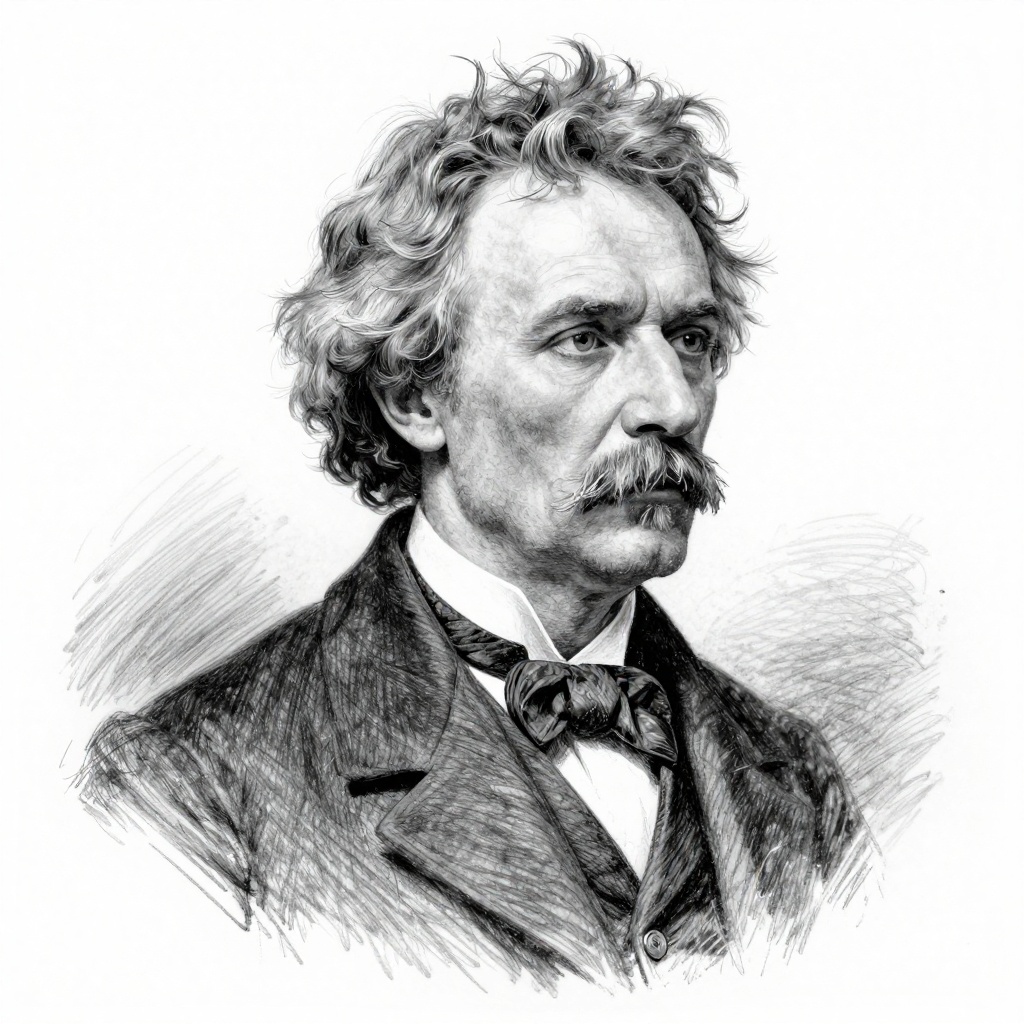
Comments