Quote · Added 28 February 2026
Reading
AI generatedGoodness spreads through example, not silence
There's a sneaky assumption baked into how we usually think about being good: that it's mostly a private achievement. We do the right thing, we feel better about ourselves, end of story. But Twain's twist here—that teaching goodness is actually the harder and more worthwhile move—catches something real about how change actually spreads. Being virtuous in isolation is like having a great idea you never share. It matters, sure, but its reach stops with you.
The tricky part is that "showing others" doesn't mean preaching or being self-righteous about it. It's subtler than that. It's the person who handles conflict with calm and actually explains why they're doing it. It's modeling how to admit you're wrong without defensiveness. It's being generous in ways people notice and can replicate. When someone sees goodness in action—especially when it costs something—it rewires what they think is possible.
What makes Twain's claim unexpectedly dark is the "no trouble" part. He's saying it's not harder because it requires more effort, but because it requires exposure. Teaching means being watched, questioned, potentially misunderstood. Most of us would rather be quietly good than visibly good, which is probably why so much genuine virtue stays hidden.
The author
All 108 quotes by Mark Twain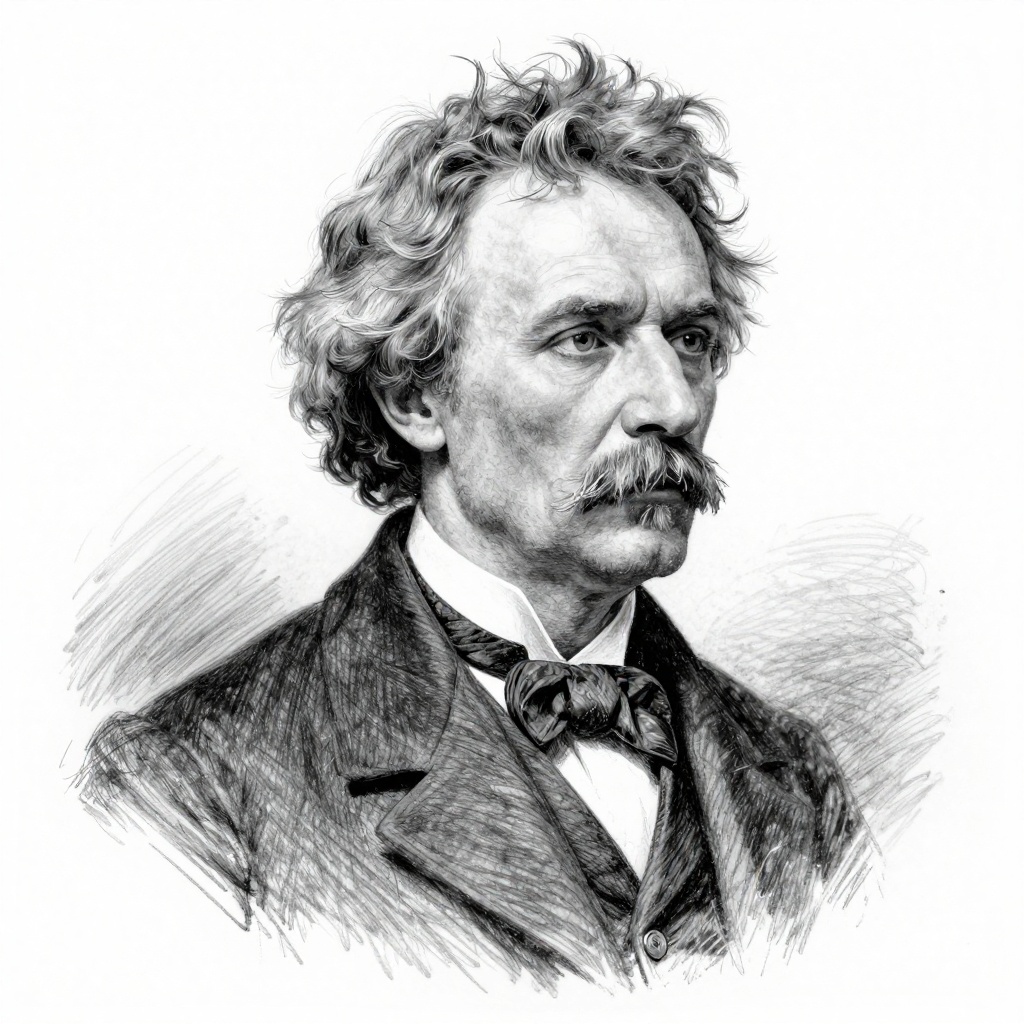
Mark Twain
1835–1910·lived 74 years
Mark Twain was an American writer and humorist known for his classic novels "Adventures of Huckleberry Finn" and "The Adventures of Tom Sawyer." His works often reflected his wit, satire, and keen observations on American society, solidifying his place as one of the greatest American authors of all time.
Also by Mark Twain
There are no laughs in life unless you take them yourself.
Comments