Quote · Added 14 February 2026
The lack of money is the root of all evil.
Mark TwainAutobiographical Dictation of 23 May 1906, The Writings of Mark Twain
Quote · Added 14 February 2026
We usually hear that money itself is evil, but Twain flips it around—and he's onto something about how desperation works. When people don't have enough, they cut corners in ways that haunt them later. They steal, they lie on applications, they compromise their health by skipping the doctor, they make decisions driven purely by survival rather than values. Poverty doesn't make someone inherently bad, but it does remove choices and push people toward compromises they'd never make otherwise.
The tricky part is that we often judge people for these compromises without acknowledging the pressure they're under. We see someone working two jobs and assume they're irresponsible, not that they're trapped. Twain's version reminds us that the real problem isn't the pursuit of money—it's the panic that comes from not having enough of it. That panic narrows your thinking, kills your options, and forces you into a corner where your better instincts don't stand a chance.
This matters now because we love to blame individual failings while ignoring structural ones. If someone's struggling financially, they're not evil for the shortcuts they take. The evil is in a system that makes survival this hard in the first place.
1835–1910·lived 74 years
Mark Twain was an American writer and humorist known for his classic novels "Adventures of Huckleberry Finn" and "The Adventures of Tom Sawyer." His works often reflected his wit, satire, and keen observations on American society, solidifying his place as one of the greatest American authors of all time.
Also by Mark Twain
There are no laughs in life unless you take them yourself.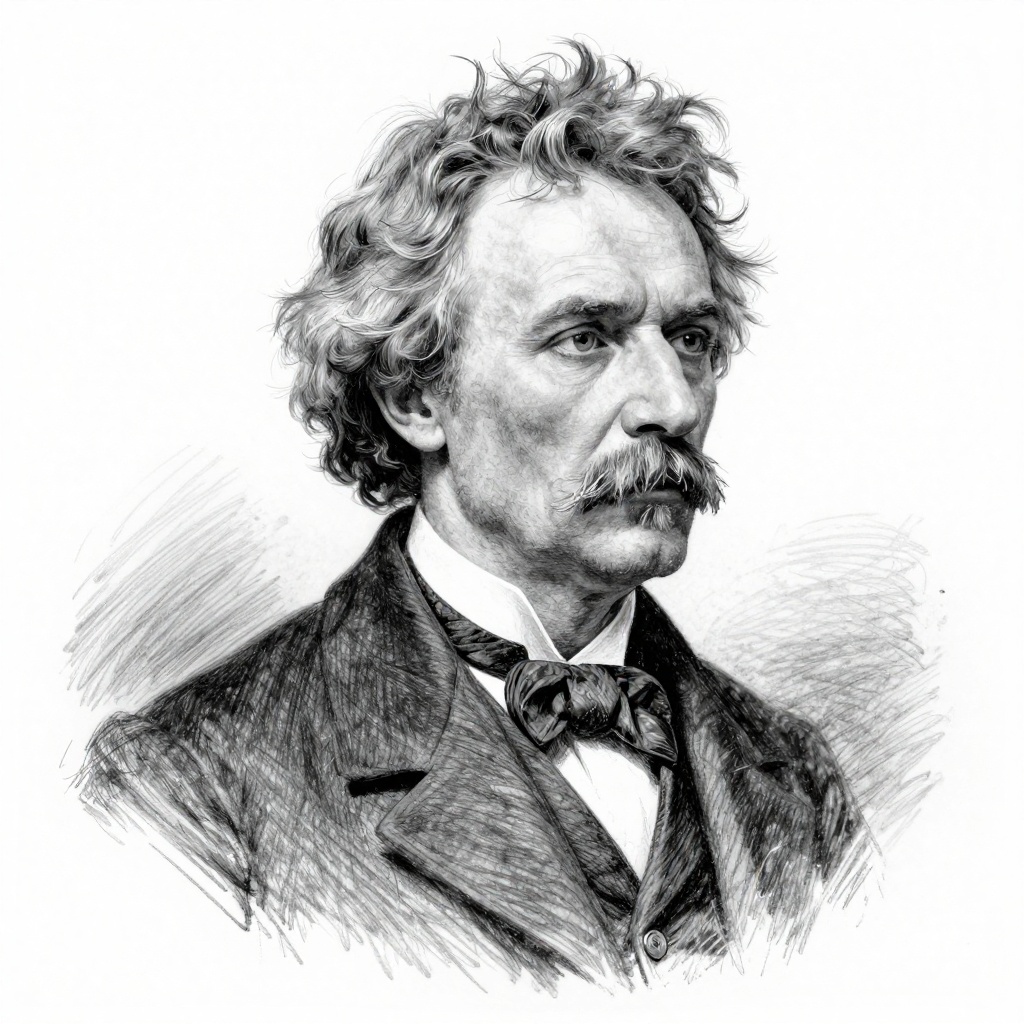
Comments