Quote · Added 14 February 2026
The human race has one really effective weapon, and that is laughter.
Mark TwainThe Mysterious Stranger, 1916
Quote · Added 14 February 2026
There's something quietly powerful about recognizing that laughter—not armies, not money, not even argument—might be our most formidable tool. When you think about it, laughter genuinely stops arguments in their tracks. It disarms tension. It creates a moment where two people who were locked in conflict suddenly occupy the same space again, seeing something together rather than at each other. This isn't weakness; it's the opposite. Laughter requires you to step outside your defensive posture, which takes actual courage.
The tricky part is that laughter works precisely because we can't fake it for long. You can pretend to agree with someone, but genuine laughter is involuntary—it's a crack in the armor where authenticity shows through. That's why people remember the times someone made them laugh during a hard conversation far more than they remember winning an argument. We're exhausted by people who only know how to fight; we're drawn to people who know how to laugh, especially at themselves.
In a world that constantly feels like it's escalating toward crisis, this matters. Laughter won't solve systemic problems, but it might be what allows us to see each other clearly enough to work on them together. The moment laughter leaves a conversation is often the moment real listening does too.
1835–1910·lived 74 years
Mark Twain was an American writer and humorist known for his classic novels "Adventures of Huckleberry Finn" and "The Adventures of Tom Sawyer." His works often reflected his wit, satire, and keen observations on American society, solidifying his place as one of the greatest American authors of all time.
Also by Mark Twain
There are no laughs in life unless you take them yourself.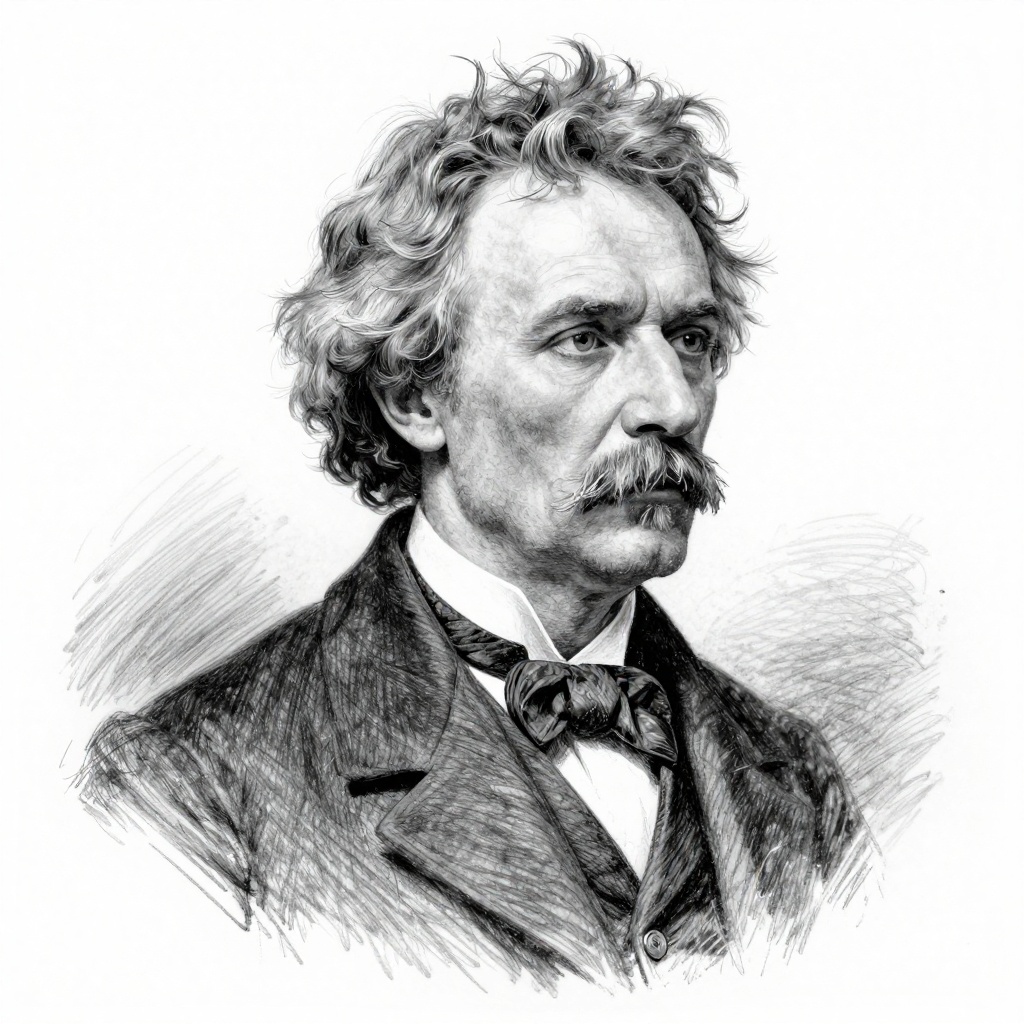
Comments