Quote · Added 15 February 2026
In the beginning of a change the patriot is a scarce man, and brave, and hated and scorned. When his cause succeeds, the timid join him, for then it costs nothing to be a patriot.
Filed underpatriotism·courage·change
Quote · Added 15 February 2026
Filed underpatriotism·courage·change
We see this play out constantly, and it's worth recognizing because it reveals something uncomfortable about human nature: most of us aren't wired to back unpopular causes. The person who speaks up first—whether about a broken system at work, a social problem nobody's addressing, or an idea that challenges the status quo—faces real risk. They're weird. They're annoying. They might lose friends or opportunities. So they stand alone while the timid ones wait, watching to see if the ground will shift.
Then something changes. Maybe the cause gains momentum, gets media attention, or simply reaches a tipping point where enough people have jumped in that it feels safe. Suddenly the timid ones appear, and they appear loudly, as though they were there all along. History rewrites itself in their minds. This happens in movements, in workplaces, in families arguing over values. It's why the original challengers often feel invisible in their own victory—the crowd showed up for the celebration but skipped the fight.
The twist is that this isn't really about patriotism or grand ideals. It's about cost and comfort. Most of us will align with what's right, but only once rightness has been pre-approved by enough other people. Understanding this about ourselves—and about others—makes us less angry and more honest about what courage actually requires.
1835–1910·lived 74 years
Mark Twain was an American writer and humorist known for his classic novels "Adventures of Huckleberry Finn" and "The Adventures of Tom Sawyer." His works often reflected his wit, satire, and keen observations on American society, solidifying his place as one of the greatest American authors of all time.
Also by Mark Twain
There are no laughs in life unless you take them yourself.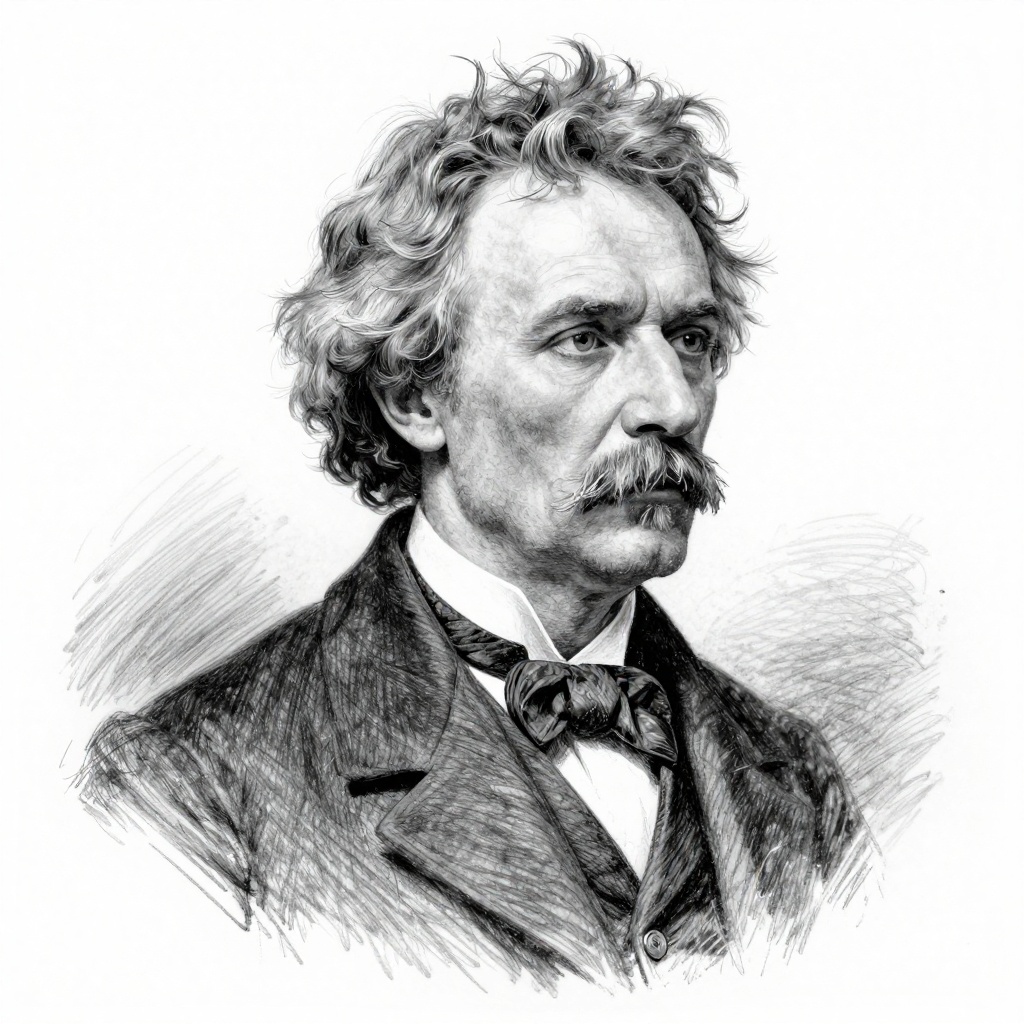
Comments