Quote · Added 19 April 2024
If you tell the truth, you don't have to remember anything.
Mark TwainNotebook, ed. Albert Bigelow Paine, p. 240, 1935
Filed undertruth·honesty·simplicity
Quote · Added 19 April 2024
Filed undertruth·honesty·simplicity
There's a quiet relief in this that most of us feel but rarely name. Lies create work—endless, invisible work. You have to track what you told different people, adjust the story depending on who's listening, stay alert for contradictions. Your brain is basically running background processes 24/7, like a computer slowly overheating. Truth, by contrast, is simple. You say what happened. You don't need a script because there's only one version.
But here's what makes this sting a little: we often lie not to deceive others so much as to manage how they see us. A small exaggeration about your weekend, a convenient omission about why you're late, a soft version of how you really feel. These feel safer than the full truth. What Twain captures is that this "safety" is actually exhausting. Every small lie you tell yourself or someone else creates a debt you have to keep paying. The truth, messy as it sometimes is, lets you stop performing.
The surprising part isn't that honesty is right—we know that. It's that honesty is actually easier on your mind. It's the more efficient way to live. Less to remember means less to manage, less to worry will eventually unravel. That's why people who seem genuinely at peace often share that quality: they're not juggling narratives.
1835–1910·lived 74 years
Mark Twain was an American writer and humorist known for his classic novels "Adventures of Huckleberry Finn" and "The Adventures of Tom Sawyer." His works often reflected his wit, satire, and keen observations on American society, solidifying his place as one of the greatest American authors of all time.
Also by Mark Twain
There are no laughs in life unless you take them yourself.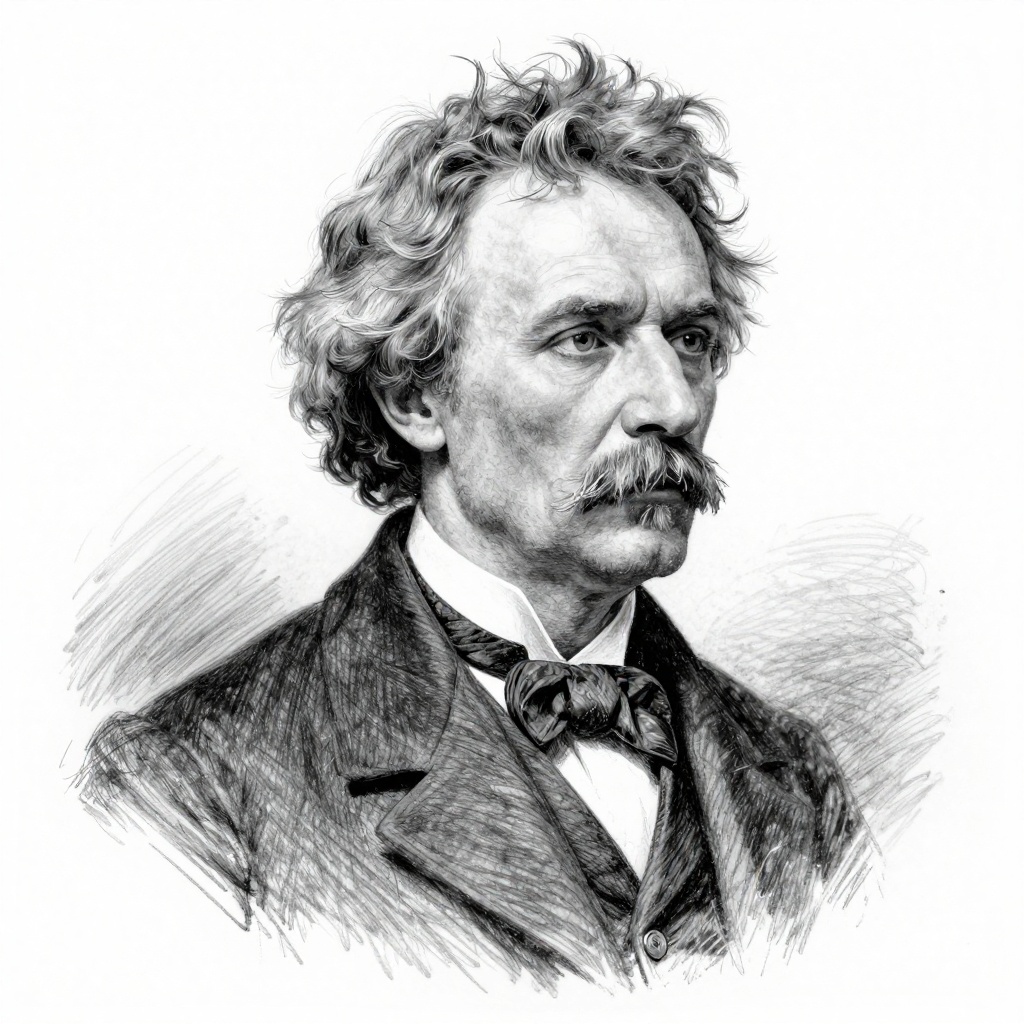
Comments