Quote · Added 14 February 2026
Reading
AI generatedApproval from a safe distance
There's something wickedly honest about this joke that lands harder the older you get. Twain is poking at how we sometimes show up for the ceremonial parts of life without actually showing up—how we can seem dutiful while staying safely distant. We send the card, we make the donation, we post the tribute, all while the actual messy work of grief and gathering happens without us.
But there's a stranger truth lurking here too. Sometimes our absence really is the kindest thing. Not everyone handles funerals well. Some people freeze up around death, or their presence creates tension, or they're genuinely unable to travel. In those moments, a thoughtful letter might actually mean more than uncomfortable small talk and forced hugs. Twain's joke works because it exposes the gap between what we're supposed to do and what we can actually manage—and he doesn't pretend the gap doesn't exist.
The real sting is that most of us recognize ourselves in this. We've all sent that email when we should've called, showed up late to the thing that mattered, or curated a version of ourselves for public consumption while feeling something entirely different alone. Twain isn't really making fun of the funeral; he's making fun of how easily we rationalize staying in our own comfort zone.
The author
All 108 quotes by Mark Twain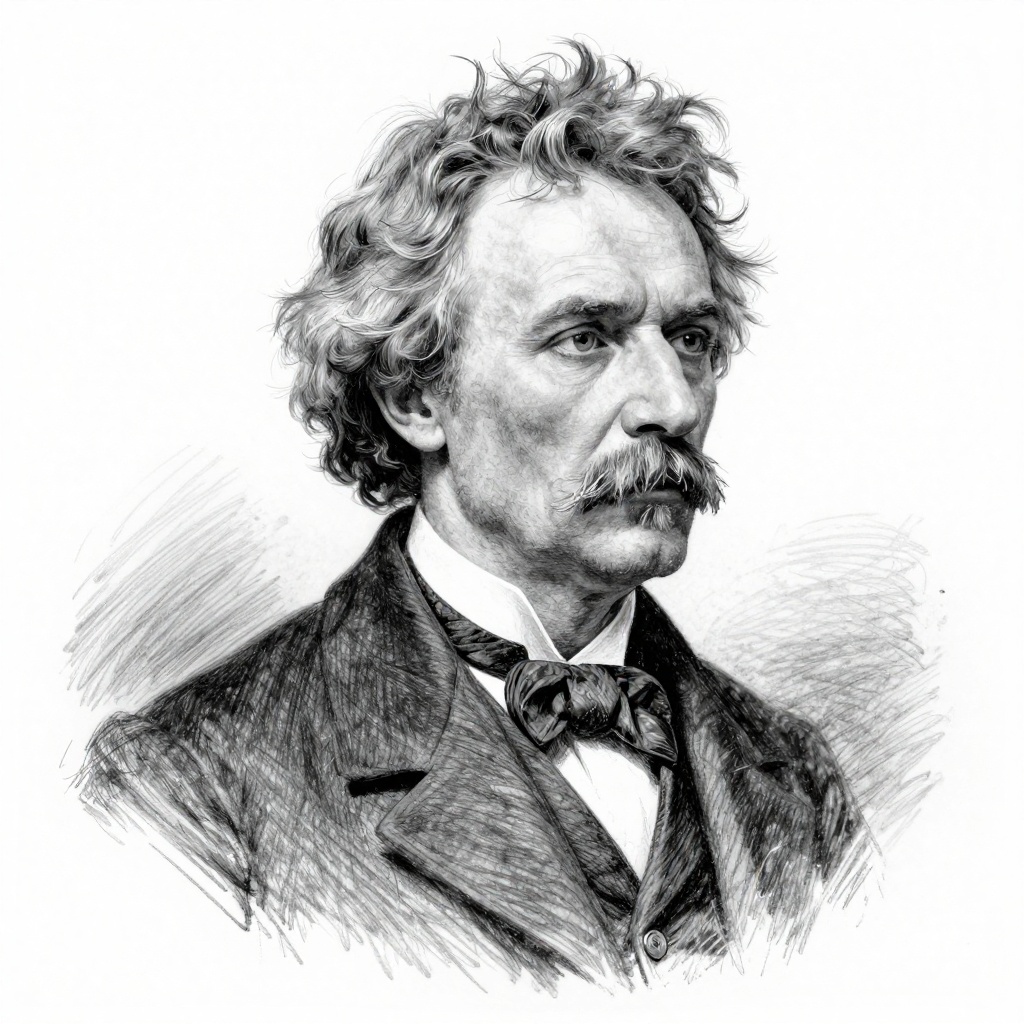
Mark Twain
1835–1910·lived 74 years
Mark Twain was an American writer and humorist known for his classic novels "Adventures of Huckleberry Finn" and "The Adventures of Tom Sawyer." His works often reflected his wit, satire, and keen observations on American society, solidifying his place as one of the greatest American authors of all time.
Also by Mark Twain
There are no laughs in life unless you take them yourself.
Comments