Quote · Added 4 February 2026
How easy it is to make people believe a lie, and how hard it is to undo that work again.
Mark TwainDictation (1906-12-02), The Autobiography of Mark Twain, Vol. 2, 2013
Quote · Added 4 February 2026
We're all familiar with that sinking feeling when you realize something you believed for years was actually false. It sticks around even after you know better—the lie had already moved into your mental furniture. This is partly why misinformation spreads so easily now. A false claim needs only a moment of attention and a reason to seem plausible, but the truth requires sustained effort, context, and often feels less satisfying than the lie we'd already accepted.
The asymmetry is brutal. A lie flatters us by confirming what we already suspected, or it's simple enough to hold in our heads without friction. The truth is usually messier, requiring us to revise our worldview slightly. That revision is uncomfortable work. Someone might read a misleading headline, feel a jolt of confirmation or outrage, and share it. Months later, the correction reaches maybe two people. By then, the original story has already shaped how they see the world.
This matters most in our personal lives, not just politics. A rumor about someone becomes "common knowledge" instantly, while their actual explanation requires a direct conversation nobody wants to have. The lie is effortless; the truth requires courage and vulnerability. Understanding this gap doesn't solve the problem, but it might make us slower to repeat something we haven't verified, and quicker to believe someone's attempt to set the record straight.
1835–1910·lived 74 years
Mark Twain was an American writer and humorist known for his classic novels "Adventures of Huckleberry Finn" and "The Adventures of Tom Sawyer." His works often reflected his wit, satire, and keen observations on American society, solidifying his place as one of the greatest American authors of all time.
Also by Mark Twain
There are no laughs in life unless you take them yourself.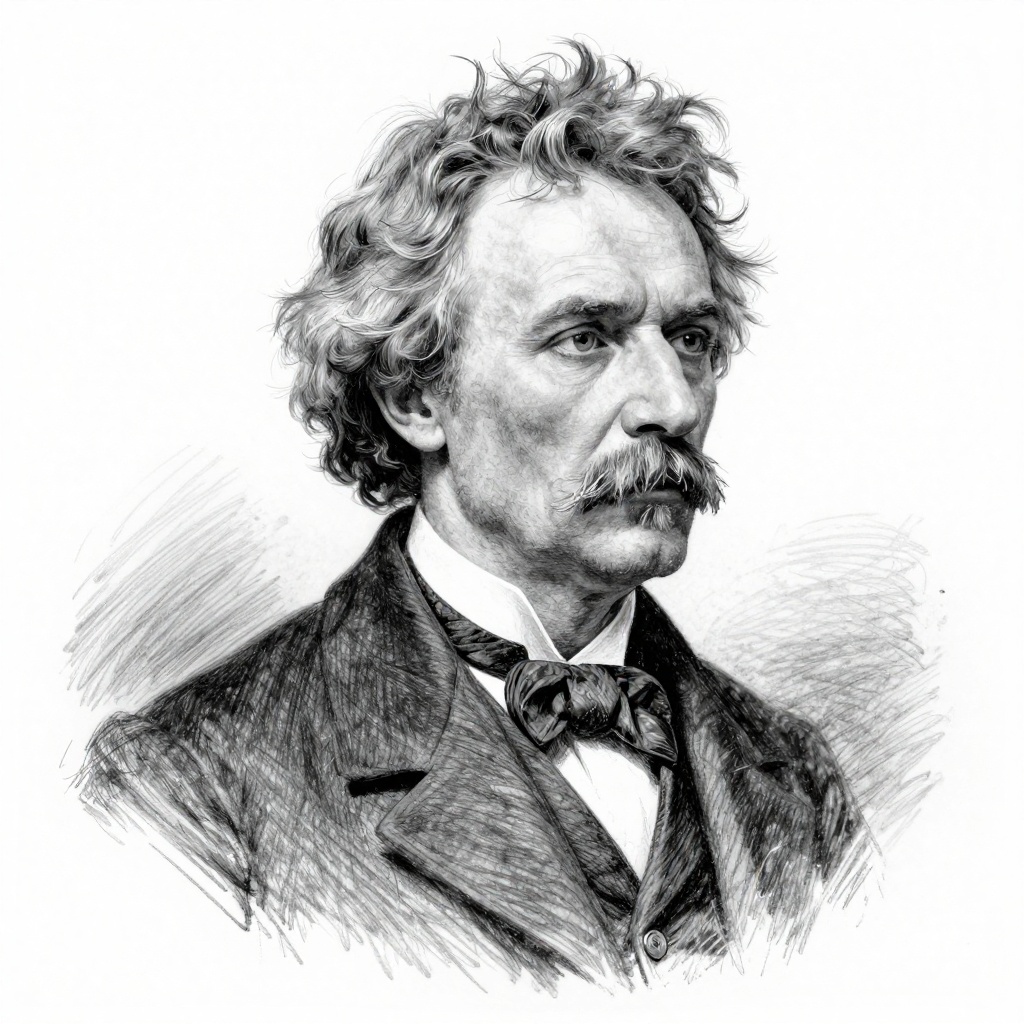
Comments