Quote · Added 14 February 2026
Go to Heaven for the climate, Hell for the company.
Mark TwainMark Twain's Speeches, 1910 edition, p. 117
Filed underheaven·hell·companionship
Quote · Added 14 February 2026
Filed underheaven·hell·companionship
There's something refreshingly honest about this line—it flips our usual thinking about where we want to be. Most of us assume that comfort and convenience are what matter most, that we'd sacrifice almost anything for them. But Twain is pointing at something deeper: that the people around us often matter more than our circumstances. You could have perfect conditions, perfect weather, perfect everything, but if you're alone or surrounded by the wrong people, it becomes hollow pretty quickly.
This shows up in real life all the time. Think about the job you dreaded versus the job you loved. Usually it wasn't the coffee or the office setup that made the difference—it was the team. Or consider how you'll sit in an uncomfortable coffee shop with a friend for hours, content as can be, while a luxurious resort feels empty when you're by yourself. We're social creatures, and we're constantly underestimating how much that fact shapes our actual happiness.
The twist here is that Twain isn't being cynical, exactly. He's being realistic about what we actually value when we strip away the pretense. We talk endlessly about optimization and self-improvement, but we rarely stop to ask whether we're building or maintaining genuine relationships while we're at it.
1835–1910·lived 74 years
Mark Twain was an American writer and humorist known for his classic novels "Adventures of Huckleberry Finn" and "The Adventures of Tom Sawyer." His works often reflected his wit, satire, and keen observations on American society, solidifying his place as one of the greatest American authors of all time.
Also by Mark Twain
There are no laughs in life unless you take them yourself.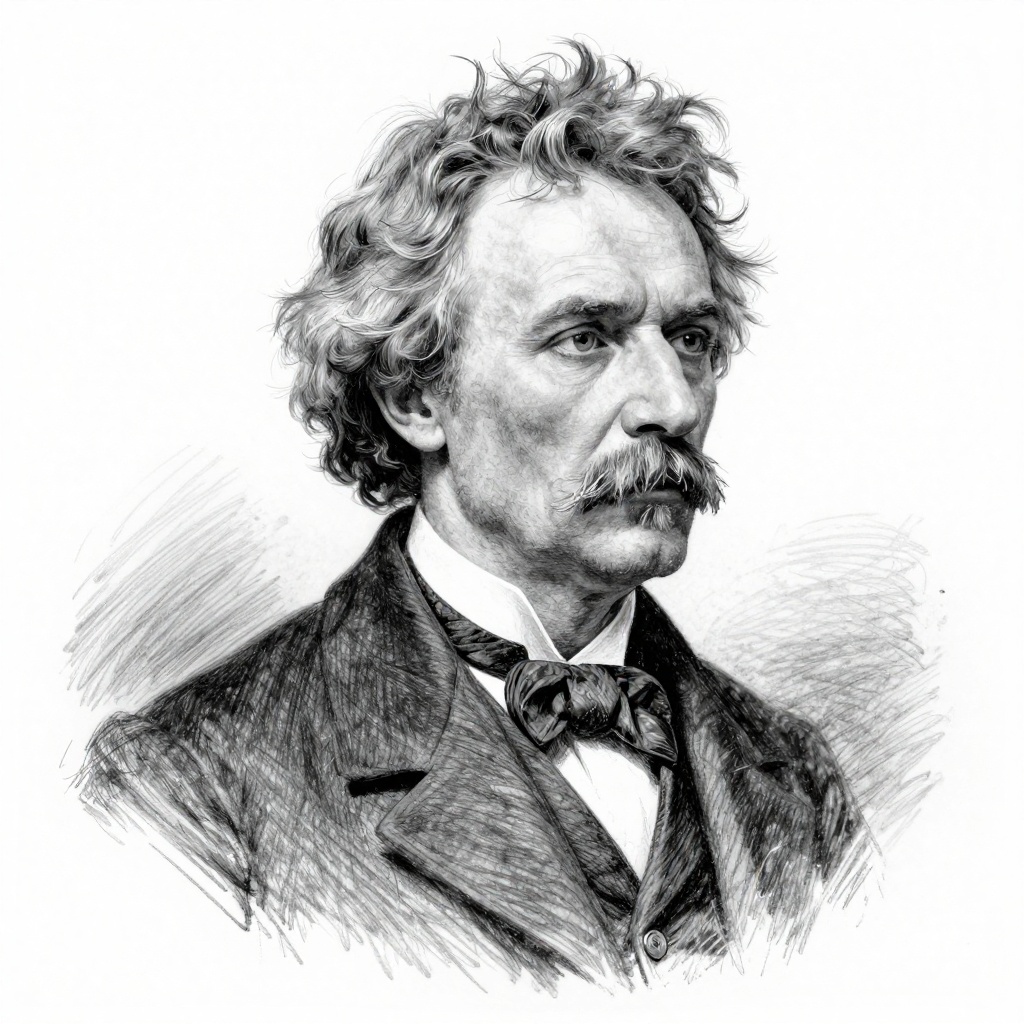
Comments