Quote · Added 14 February 2026
Climate is what we expect, weather is what we get.
Filed underclimate·weather·expectations
Quote · Added 14 February 2026
Filed underclimate·weather·expectations
We live in two timescales that our brains struggle to hold at once. Weather is immediate and personal—the surprise snowstorm that ruins your commute, the perfect summer afternoon that actually happened. Climate is the slow, invisible pattern underneath, the thing that shapes which cities flood and which crops fail. The quote captures something real about how we're wired: we notice what's in front of us and ignore the bigger system.
This matters more now because climate change is asking us to do something genuinely difficult—to care deeply about patterns we can't see or feel directly. A single hot day doesn't prove anything, but thirty years of incrementally shifting seasons is the climate talking. We keep getting distracted by the weather, which is probably why so many people dismiss climate concerns after a cold winter, then forget to adjust their expectations when that cold winter is now the exception rather than the rule.
The tricky part is that paying attention to invisible patterns requires a different kind of trust. We have to believe measurements, models, and people we've never met. It's much easier to just react to what we experience. But that gap between weather and climate? That's exactly where we've been making our biggest mistakes.
1835–1910·lived 74 years
Mark Twain was an American writer and humorist known for his classic novels "Adventures of Huckleberry Finn" and "The Adventures of Tom Sawyer." His works often reflected his wit, satire, and keen observations on American society, solidifying his place as one of the greatest American authors of all time.
Also by Mark Twain
There are no laughs in life unless you take them yourself.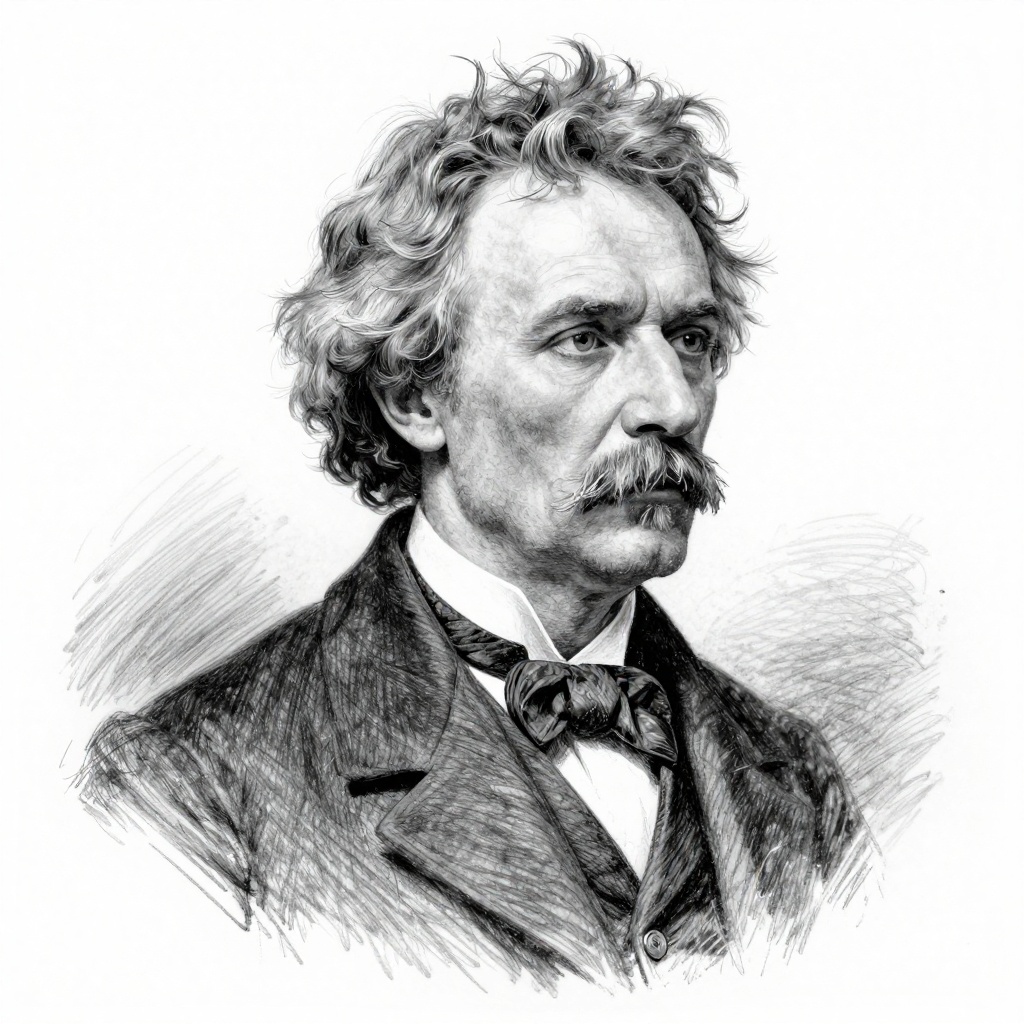
Comments