Quote · Added 17 August 2023
All you need in this life is ignorance and confidence; then success is sure.
Filed underignorance·confidence·success
Quote · Added 17 August 2023
Filed underignorance·confidence·success
There's a sting of truth hidden in what sounds like a joke. Twain is pointing at something we all recognize but rarely admit: the people who change things often don't know enough to be properly afraid. They haven't read all the reasons why their idea won't work. They haven't internalized a decade of other people's failures. They just believe it's possible and move forward anyway.
This matters because most of us are paralyzed by the opposite problem. We know just enough to doubt ourselves. We've seen the statistics, heard the cautionary tales, scrolled through examples of people who tried and failed. That knowledge becomes an anchor. We talk ourselves out of starting the business, having the difficult conversation, or making the career change because we can suddenly see all the ways it might go wrong.
The twist isn't that ignorance is actually good—it's that a certain kind of selective blindness is almost necessary for progress. The most successful people tend to be either those who genuinely don't know better, or those who've learned to ignore what they know isn't directly useful. They've developed what you might call confident ignorance: aware enough to prepare, naive enough to try.
1835–1910·lived 74 years
Mark Twain was an American writer and humorist known for his classic novels "Adventures of Huckleberry Finn" and "The Adventures of Tom Sawyer." His works often reflected his wit, satire, and keen observations on American society, solidifying his place as one of the greatest American authors of all time.
Also by Mark Twain
There are no laughs in life unless you take them yourself.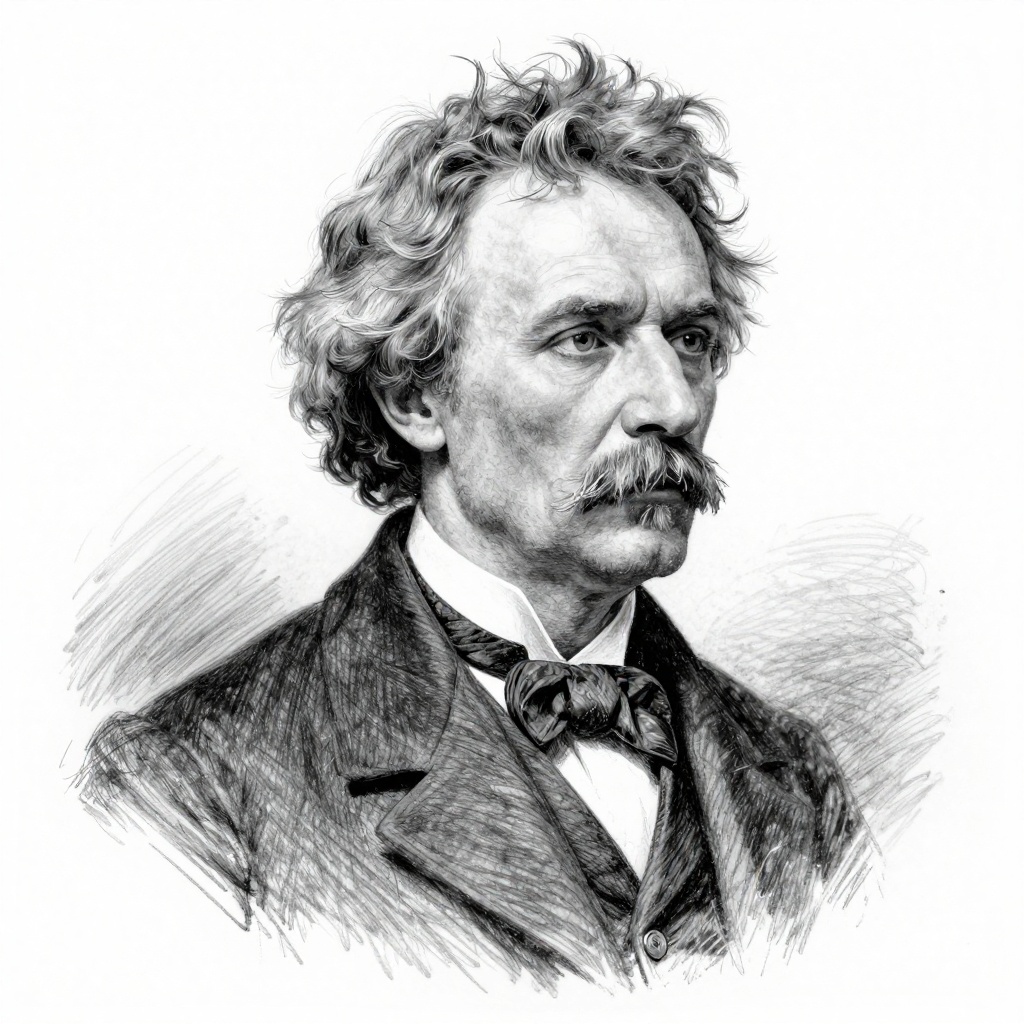
Comments