Quote · Added 1 October 2026
Discipline is the art of not betraying yourself.
No ratings yet
Filed underdiscipline·integrity·self-control
Quote · Added 1 October 2026
Filed underdiscipline·integrity·self-control
We usually think of discipline as something harsh—grinding through workouts we hate, denying ourselves pleasure, white-knuckling through temptation. But Marcus Aurelius offers something quieter and more unsettling. He's saying discipline is actually about loyalty to your own values.
When you say you'll do something and then don't, you're not just breaking a promise to someone else. You're breaking it to yourself. You're training yourself not to trust your own word. Over time, this erodes something deeper than productivity: it erodes your sense of who you are. You become someone who doesn't keep commitments, even small ones to yourself. That gap between what you claim to believe and what you actually do creates a kind of internal betrayal that lingers.
The surprising part is that this reframing makes discipline feel less like punishment and more like self-respect. It's not about being rigid or perfect. It's about noticing when you're about to abandon something that matters to you, and choosing not to. That choice—made hundreds of small times—is what builds genuine confidence. You start to know you can trust yourself again.
d. 180
Marcus Aurelius was a Roman emperor and Stoic philosopher who reigned from 161 to 180 AD. He is known for his philosophical work "Meditations," which reflects his thoughts on Stoicism and personal introspection amidst the challenges of governing the Roman Empire.
Also by Marcus Aurelius
To offend a strong man, tell him a lie. To offend a weak man, tell him the truth.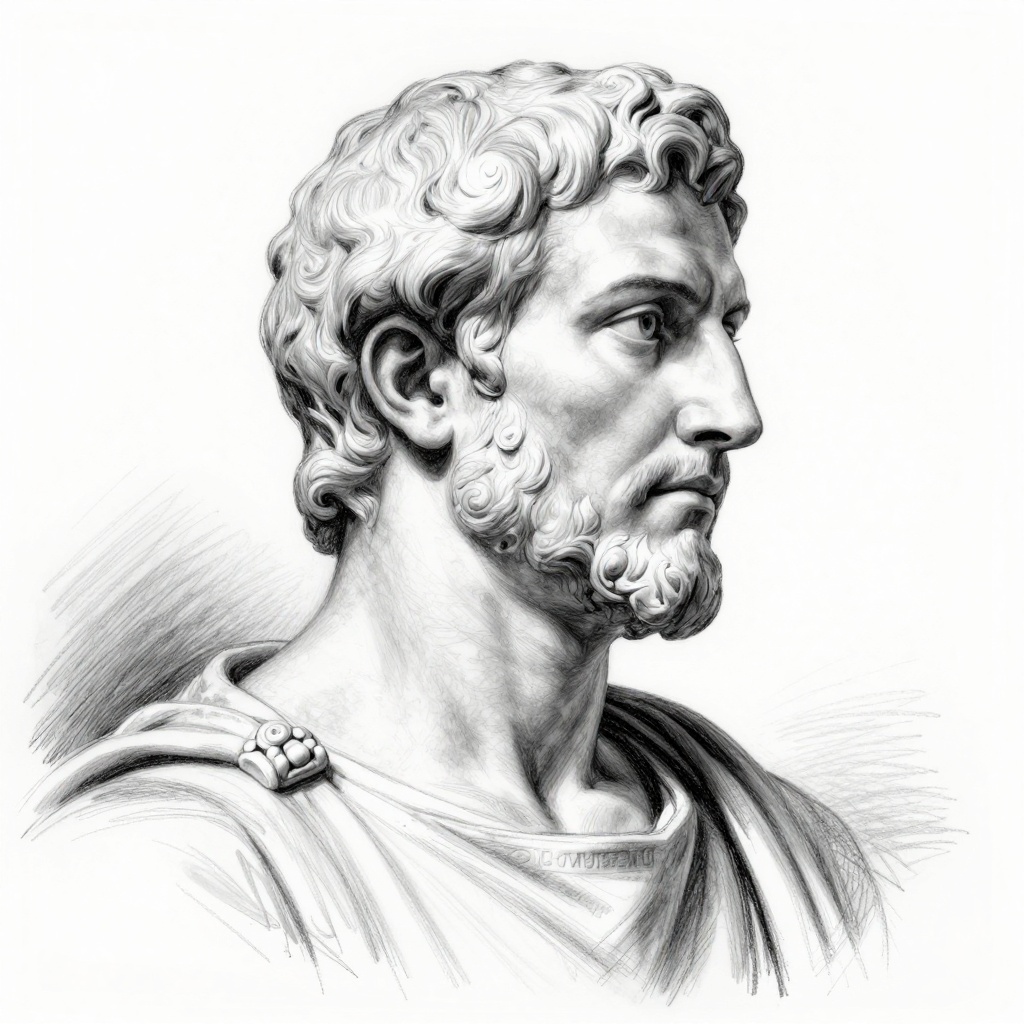
Comments