Quote · Added 19 February 2026
There are people in the world so hungry, that God cannot appear to them except in the form of bread.
No ratings yet
Filed underbread·hunger·compassion
Quote · Added 19 February 2026
Filed underbread·hunger·compassion
We tend to think of spiritual awakening as this transcendent moment—meditation on a mountaintop, a sudden philosophical insight, that feeling of connection to something larger. But Gandhi is reminding us of something uncomfortable: when you're genuinely starving, spirituality isn't a luxury. It's not even secondary. A hungry person isn't moved by poetry about the divine. They're moved by food. And maybe that's not a failure of their faith. Maybe it's just basic human biology demanding to be acknowledged first.
This cuts against the way we sometimes separate the practical from the sacred. We act like feeding someone is separate from spiritual care, like helping with rent has nothing to do with dignity or meaning. But Gandhi is saying the opposite—that in certain moments, the most holy thing you can do is deliver actual bread. Not as a stepping stone to "real" spirituality, but as spirituality itself. When someone can't focus on anything but their next meal, generosity that addresses that hunger is its own form of grace.
The uncomfortable part is that this challenge doesn't require you to be a saint. It just requires noticing: are there people around you living in that desperate state? And if so, what does it say if we claim to care about human dignity while leaving them hungry?
1869–1948·lived 78 years
Mahatma Gandhi (1869–1948) was an Indian lawyer, anti-colonial nationalist, and political ethicist who employed nonviolent resistance to lead the successful campaign for India's independence from British rule. Known for his principle of nonviolent protest, he inspired movements for civil rights and freedom across the world.
Also by Mahatma Gandhi
Be the change you want to see in the world.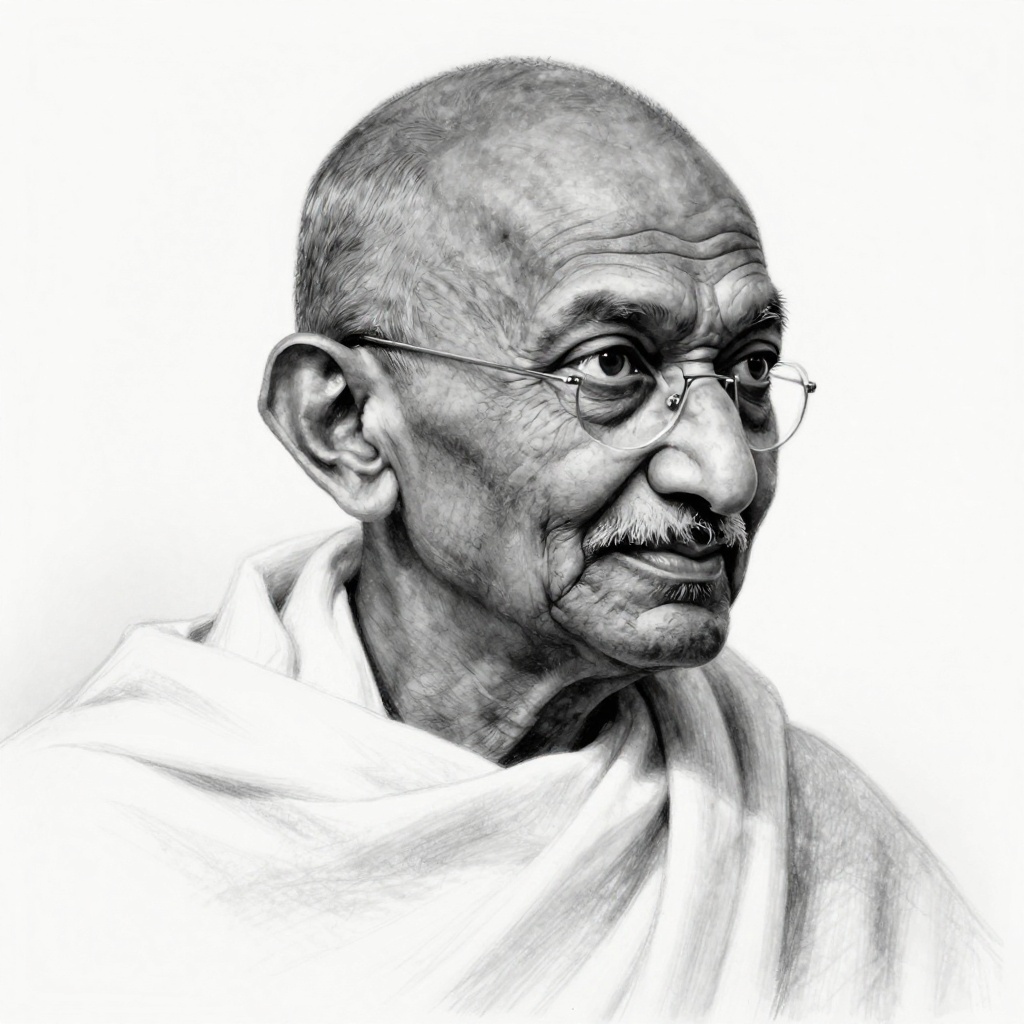
Comments