Quote · Added 10 February 2026
The greatness of a nation can be judged by the way its animals are treated.
No ratings yet
Filed underanimals·ethics·compassion
Quote · Added 10 February 2026
Filed underanimals·ethics·compassion
We usually measure a country's progress by its economy, military, or technology. But Gandhi points to something quieter and more revealing: how we treat creatures that can't vote, can't complain to authorities, and can't defend themselves. The way a society handles the powerless—whether it's livestock, strays, or wildlife—shows what its values actually are when nobody's watching.
This matters because cruelty to animals often signals something deeper about a culture's relationship with suffering itself. Countries where animal abuse is normalized tend to be places where human rights violations also flourish. Conversely, strong animal protection laws often exist alongside robust protections for vulnerable people. It's not coincidence. When we cultivate compassion for a dog or a farm animal, we're training our conscience in a way that ripples outward.
The tricky part is that most of us don't see ourselves as cruel. We're just following the system we inherited—the meat we buy, the zoos we visit, the pest control we hire. But Gandhi's challenge is exactly that we can't claim greatness while outsourcing our discomfort. A nation's true character lives in the small choices everyone makes about the creatures in their care, not just in the grand policies written on paper.
1869–1948·lived 78 years
Mahatma Gandhi (1869–1948) was an Indian lawyer, anti-colonial nationalist, and political ethicist who employed nonviolent resistance to lead the successful campaign for India's independence from British rule. Known for his principle of nonviolent protest, he inspired movements for civil rights and freedom across the world.
Also by Mahatma Gandhi
Be the change you want to see in the world.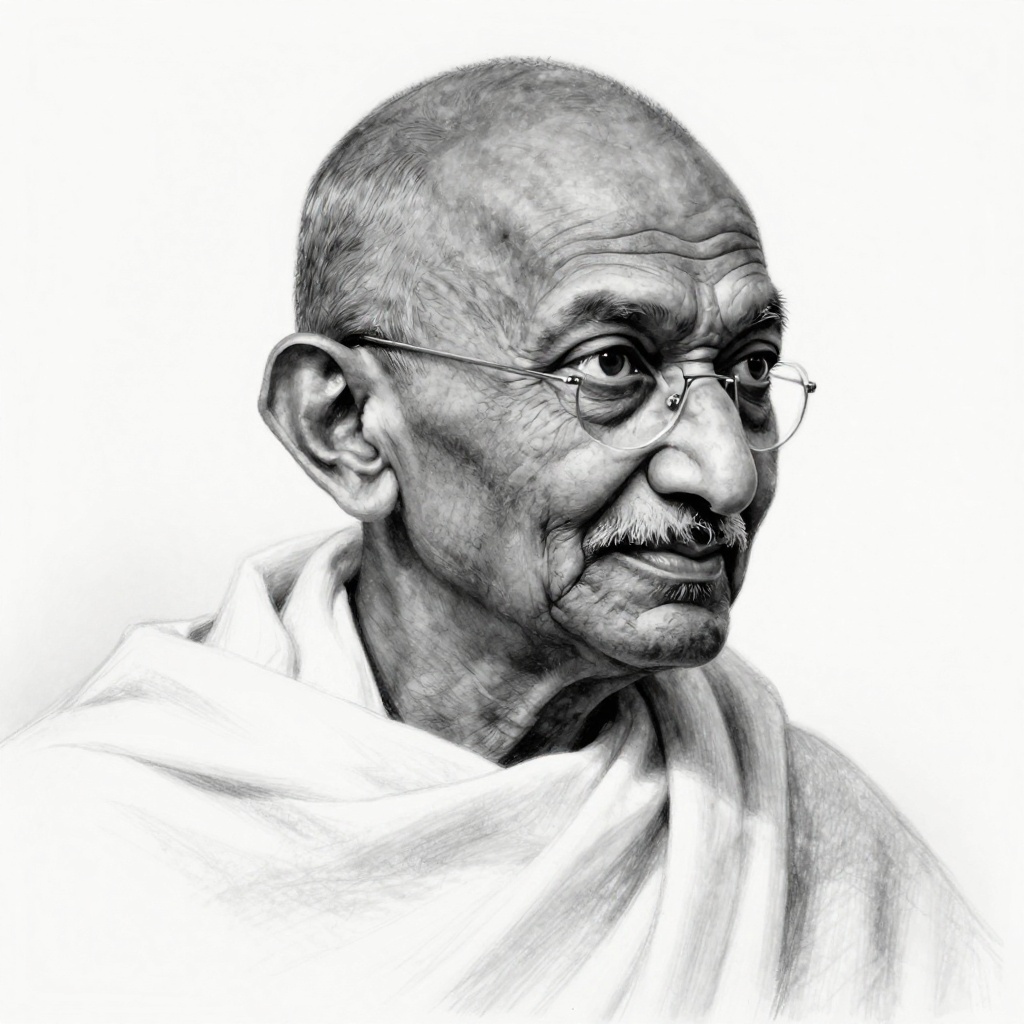
Comments