Quote · Added 11 November 2023
The earth provides enough to satisfy every man's needs but not every man's greed.
Mahatma GandhiSelections from Gandhi, p. 269, 1960
No ratings yet
Quote · Added 11 November 2023
We live in a time of genuine material abundance, yet scarcity narratives dominate everything from our news feeds to our shopping habits. The real tension isn't between having enough and having nothing—it's between enough and more. A closet full of clothes still whispers that you need another sweater. A comfortable salary still feels like it should be bigger. This quote cuts through that noise by naming something we often dance around: the problem was never survival. It's always been wanting.
What's tricky is that greed doesn't always announce itself loudly. It hides in reasonable-sounding goals—a nicer house, better security, staying ahead of inflation. It masquerades as prudence or ambition. The dangerous part isn't wanting things; it's losing track of the difference between meeting a genuine need and feeding an appetite that never actually gets full.
The question Gandhi's pushing isn't really about global resources, though that matters. It's more personal: What would your life look like if you stopped trying to outrun your own satisfaction? There's something both practical and radical about that. Not deprivation, not asceticism—just the adult recognition that the gap between enough and excess is where most of our modern exhaustion actually lives.
1869–1948·lived 78 years
Mahatma Gandhi (1869–1948) was an Indian lawyer, anti-colonial nationalist, and political ethicist who employed nonviolent resistance to lead the successful campaign for India's independence from British rule. Known for his principle of nonviolent protest, he inspired movements for civil rights and freedom across the world.
Also by Mahatma Gandhi
Be the change you want to see in the world.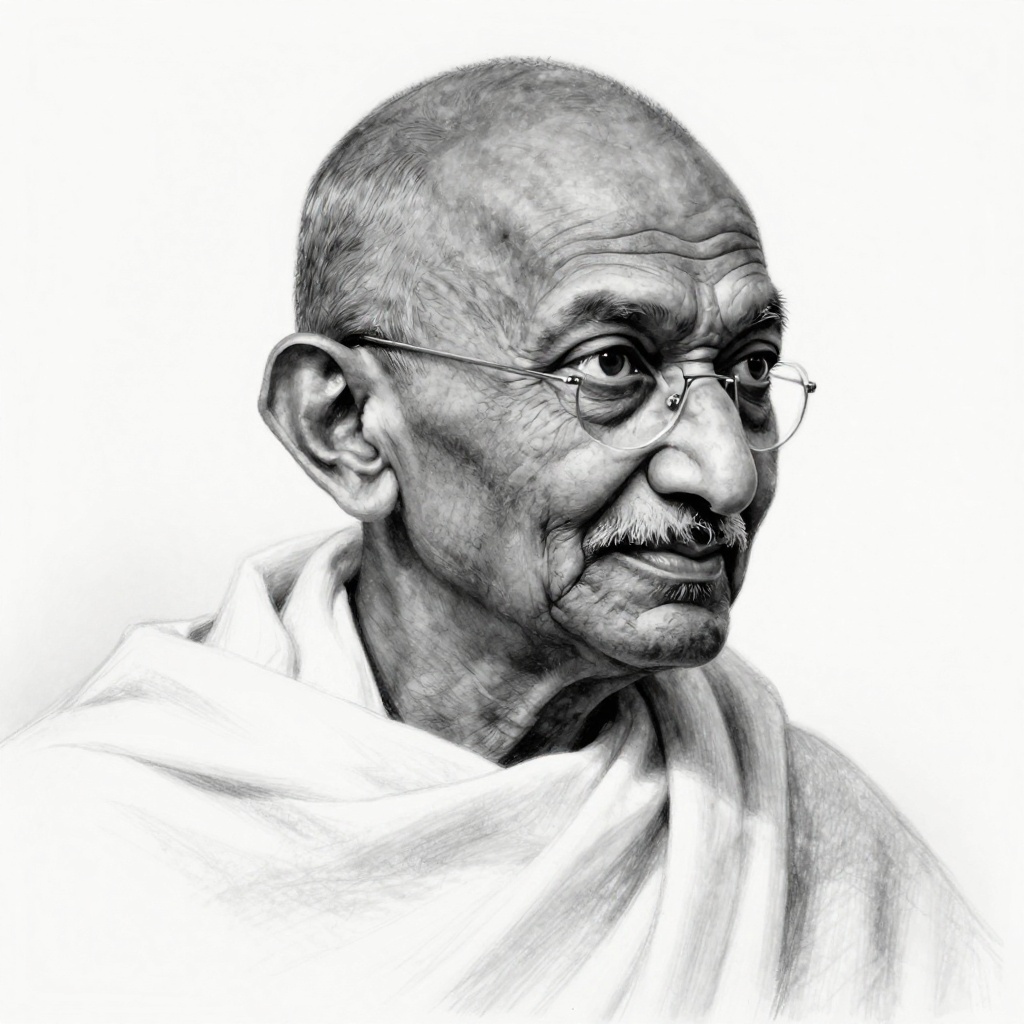
Comments