Quote · Added 1 October 2023
It is better to be violent, if there is violence in our hearts, than to put on the cloak of non-violence to cover impotence.
No ratings yet
Quote · Added 1 October 2023
Most people know Gandhi as the symbol of peaceful resistance, so this quote lands like a surprise. He's not actually endorsing violence—he's saying something more unsettling: that pretending to be peaceful while seething inside is worse than being honest about your anger. The real problem isn't the anger itself; it's the gap between what you feel and what you project.
This hits differently in our social media age, where we're constantly curating versions of ourselves. We post calm, enlightened takes while our actual feelings are messier and more frustrated. We perform kindness we don't quite feel. Gandhi's point is that this performance becomes its own kind of corruption—it poisons you from the inside and, oddly enough, it's less effective than genuine conviction. People sense the fakeness. They smell the impotence.
The harder truth? Real non-violence, the kind that actually changes things, isn't about suppressing your power or pretending conflict doesn't exist. It's about channeling real conviction—even fierce conviction—into action that doesn't destroy. The problem isn't feeling strongly. It's settling for theater when the world needs authenticity.
1869–1948·lived 78 years
Mahatma Gandhi (1869–1948) was an Indian lawyer, anti-colonial nationalist, and political ethicist who employed nonviolent resistance to lead the successful campaign for India's independence from British rule. Known for his principle of nonviolent protest, he inspired movements for civil rights and freedom across the world.
Also by Mahatma Gandhi
Be the change you want to see in the world.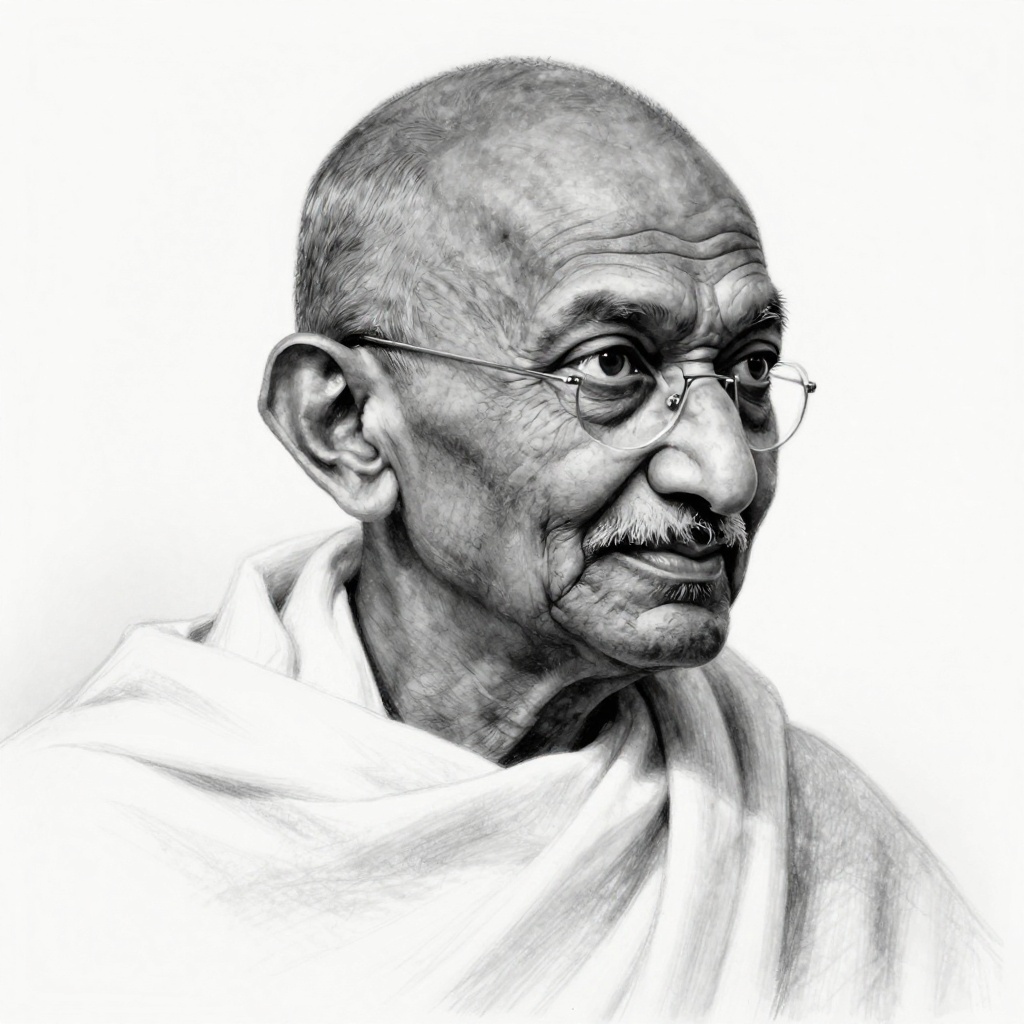
Comments