Quote · Added 19 February 2026
I think it would be a good idea.
No ratings yet
Filed underidea·optimism·suggestion
Quote · Added 19 February 2026
Filed underidea·optimism·suggestion
We've probably all heard this quote floating around without knowing its full context—and that's actually revealing. What makes it stick isn't the words themselves, which are almost absurdly simple. It's the restraint. Gandhi said this about the British leaving India, a moment that could have called for fiery rhetoric or triumphant pronouncements. Instead, he offered measured understatement.
There's something quietly powerful in refusing to oversell a good idea. When we're excited about something—a business plan, a relationship choice, a life change—we tend to dress it up in superlatives and certainty. We convince ourselves that enthusiasm proves correctness. But Gandhi's approach suggests the opposite: truly solid ideas can afford to be stated plainly. They don't need the performance.
This matters now because we're drowning in overclaimed conviction. Everyone's selling their take with maximum drama. The person who simply says "I think this would work well" and then explains why stands out precisely because they're not trying so hard. It's a small act of confidence that reads as honesty. Sometimes the most persuasive thing isn't passion—it's the quiet belief that the idea can speak for itself.
1869–1948·lived 78 years
Mahatma Gandhi (1869–1948) was an Indian lawyer, anti-colonial nationalist, and political ethicist who employed nonviolent resistance to lead the successful campaign for India's independence from British rule. Known for his principle of nonviolent protest, he inspired movements for civil rights and freedom across the world.
Also by Mahatma Gandhi
Be the change you want to see in the world.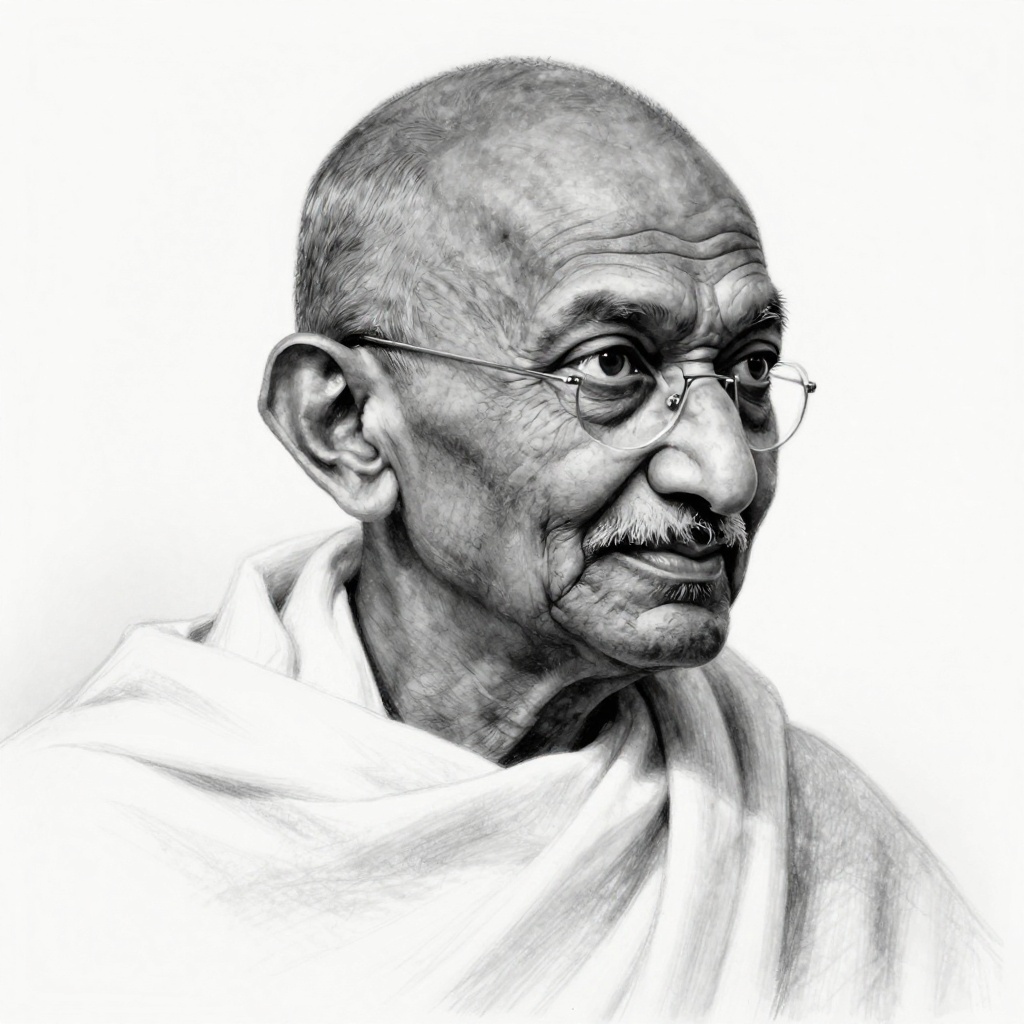
Comments