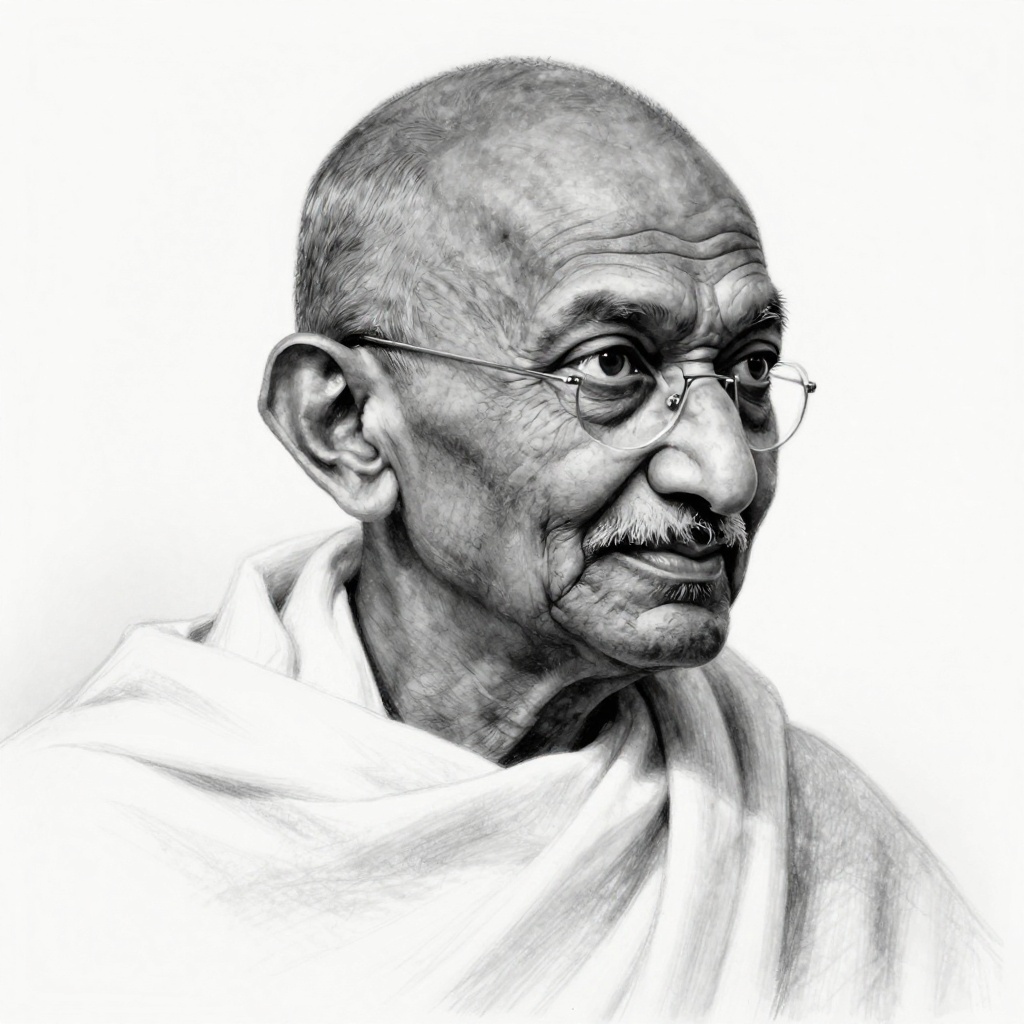
I claim to be a simple individual liable to err like any other fellow mortal. I own, however, that I have humi... — Mahatma Gandhi

I claim to be a simple individual liable to err like any other fellow mortal. I own, however, that I have humility enough to confess my errors and to retrace my steps.

Author: Mahatma Gandhi

Insight: There's something almost radical about admitting you're ordinary. We spend so much energy protecting an image of competence—especially online, where every mistake feels permanent and public. Gandhi's point isn't that he never messed up; it's that he treated errors as something to learn from rather than hide. That distinction changes everything. Most of us get stuck because we confuse humility with weakness. We think admitting we were wrong makes us look foolish, so we double down instead. But Gandhi is describing something different: the quiet confidence that comes from knowing you can handle being wrong. You don't need to perform perfection when you're genuinely comfortable retracing your steps. The tricky part is that this kind of honesty requires real courage. It's easier to maintain a fixed image than to stay flexible enough to change direction. But notice what happens when someone actually does this—acknowledges a mistake without defensiveness, learns, moves on. People trust that person more, not less. There's something almost magnetic about someone who treats growth as ongoing rather than something they finished long ago.

Mistakes build more trust than perfection

I claim to be a simple individual liable to err like any other fellow mortal. I own, however, that I have humility enough to confess my errors and to retrace my steps.

There's something almost radical about admitting you're ordinary. We spend so much energy protecting an image of competence—especially online, where every mistake feels permanent and public. Gandhi's point isn't that he never messed up; it's that he treated errors as something to learn from rather than hide. That distinction changes everything.

Most of us get stuck because we confuse humility with weakness. We think admitting we were wrong makes us look foolish, so we double down instead. But Gandhi is describing something different: the quiet confidence that comes from knowing you can handle being wrong. You don't need to perform perfection when you're genuinely comfortable retracing your steps.

The tricky part is that this kind of honesty requires real courage. It's easier to maintain a fixed image than to stay flexible enough to change direction. But notice what happens when someone actually does this—acknowledges a mistake without defensiveness, learns, moves on. People trust that person more, not less. There's something almost magnetic about someone who treats growth as ongoing rather than something they finished long ago.

AI generated

Comments

Sign in to leave a comment or reply to one.

Sign in

Mahatma Gandhi

Mahatma Gandhi (1869–1948) was an Indian lawyer, anti-colonial nationalist, and political ethicist who employed nonviolent resistance to lead the successful campaign for India's independence from British rule. Known for his principle of nonviolent protest, he inspired movements for civil rights and freedom across the world.

Graph

Related