Quote · Added 10 February 2026
Freedom is not worth having if it does not connote freedom to err.
Mahatma GandhiRight To Freedom, Young India, 12-3-1931, p. 31
No ratings yet
Quote · Added 10 February 2026
We often think of freedom as the ability to do what we want, but Gandhi is pointing at something deeper: freedom only matters if we're genuinely allowed to mess up. A life where you can only make the "right" choices isn't freedom at all—it's just a velvet cage.
This hits different when you think about how we treat ourselves and others. Parents who won't let their kids fail, workplaces that punish any misstep, relationships where someone demands perfection—they're all claiming to protect people while actually stripping away something essential. Real freedom has to include the possibility of getting it wrong, learning hard lessons, and becoming someone different because of it.
The tricky part is that this cuts both ways. It means tolerating other people's mistakes too, even when they frustrate us. And it means accepting your own errors without treating them as proof that you're fundamentally broken. Freedom without the right to fail is just control with better marketing. The messy version—where people can genuinely choose wrong and live with the consequences—is the only kind that's actually real.
1869–1948·lived 78 years
Mahatma Gandhi (1869–1948) was an Indian lawyer, anti-colonial nationalist, and political ethicist who employed nonviolent resistance to lead the successful campaign for India's independence from British rule. Known for his principle of nonviolent protest, he inspired movements for civil rights and freedom across the world.
Also by Mahatma Gandhi
Be the change you want to see in the world.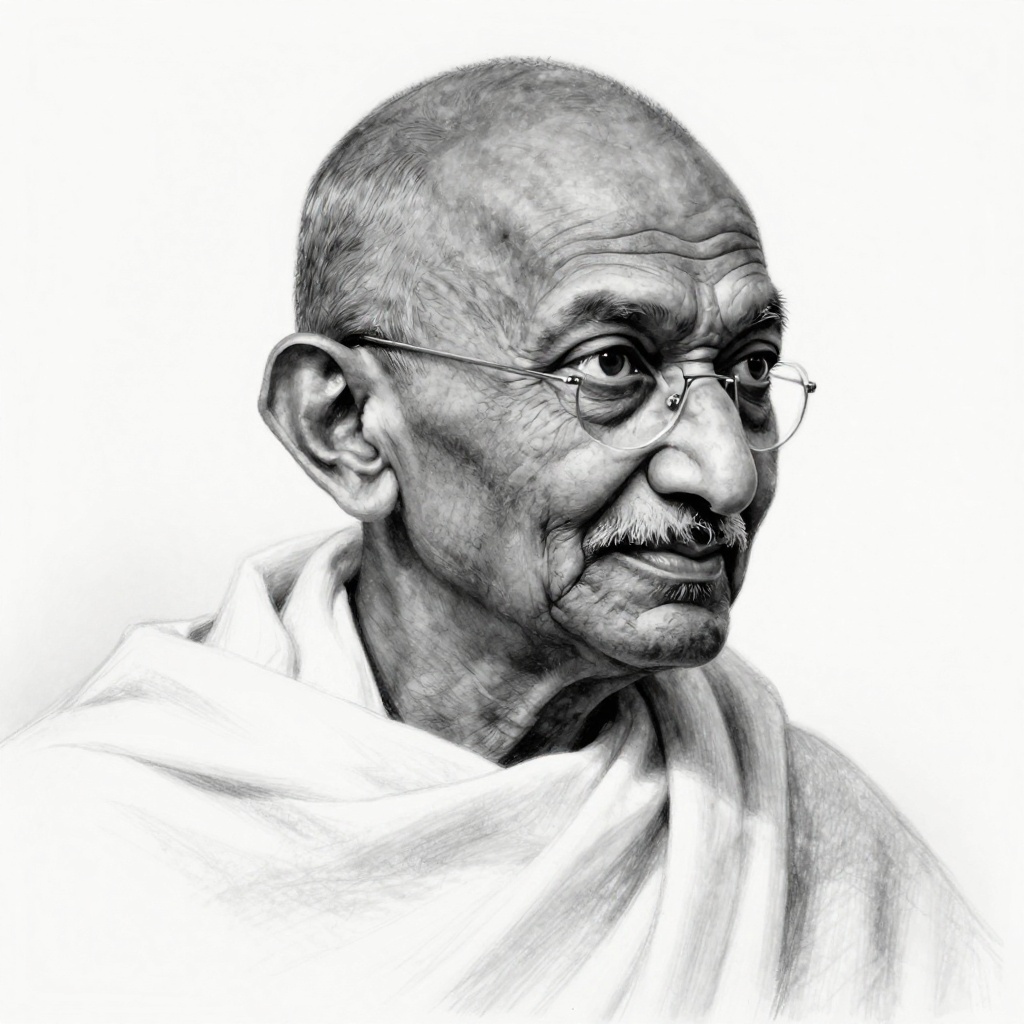
Comments