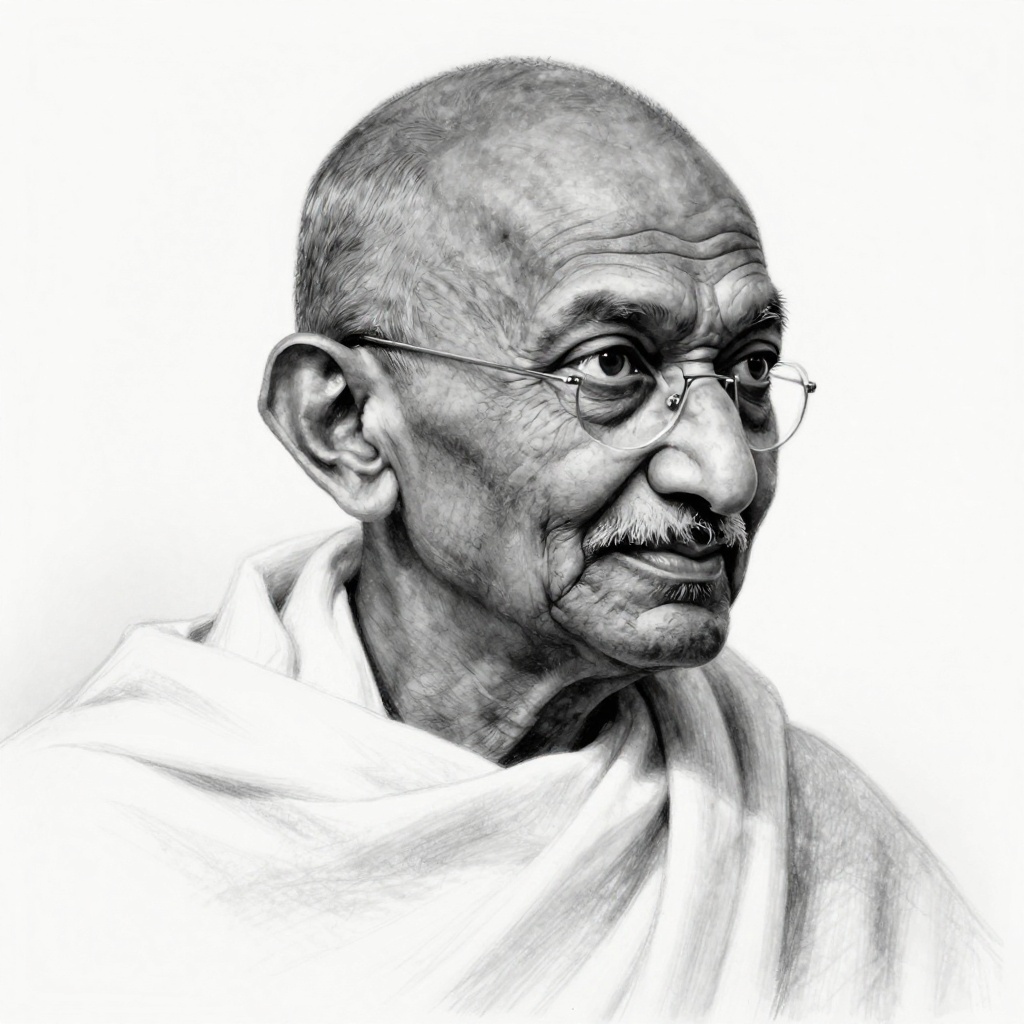
First they ignore you, then they laugh at you, then they fight you, then you win. — Mahatma Gandhi

First they ignore you, then they laugh at you, then they fight you, then you win.

Author: Mahatma Gandhi

Insight: Every genuinely new idea travels the same strange path: from invisible to ridiculous to threatening to inevitable. You see it everywhere if you look. The first electric cars were jokes. Remote work was unprofessional. Mental health days didn't exist. What looks absurd in year one feels normal by year five. The insight that often gets missed is the middle part—the laughing and fighting stages last way longer than most people can handle. By the time people laugh at you, you've already invested months or years believing something nobody else does. By the time they fight you, you're exhausted. Most people quit here, convinced they were wrong all along. But Gandhi's sequence suggests something different: the resistance isn't proof you failed. It's proof you threatened something that mattered enough to defend. The practical takeaway isn't romantic. It's that if you genuinely believe in something, expect the timeline to be slower and messier than your optimism predicts. The people who actually move things don't usually win because they were right. They win because they had the specific kind of resilience to stay committed while everyone else was still in the laughing phase.

Source: Proceedings of the Third Biennial Convention of the Amalgamated Clothing Workers of America, p. 53, 1918

Resistance means you're onto something

First they ignore you, then they laugh at you, then they fight you, then you win.

Mahatma GandhiProceedings of the Third Biennial Convention of the Amalgamated Clothing Workers of America, p. 53, 1918

Every genuinely new idea travels the same strange path: from invisible to ridiculous to threatening to inevitable. You see it everywhere if you look. The first electric cars were jokes. Remote work was unprofessional. Mental health days didn't exist. What looks absurd in year one feels normal by year five.

The insight that often gets missed is the middle part—the laughing and fighting stages last way longer than most people can handle. By the time people laugh at you, you've already invested months or years believing something nobody else does. By the time they fight you, you're exhausted. Most people quit here, convinced they were wrong all along. But Gandhi's sequence suggests something different: the resistance isn't proof you failed. It's proof you threatened something that mattered enough to defend.

The practical takeaway isn't romantic. It's that if you genuinely believe in something, expect the timeline to be slower and messier than your optimism predicts. The people who actually move things don't usually win because they were right. They win because they had the specific kind of resilience to stay committed while everyone else was still in the laughing phase.

AI generated

Comments

Sign in to leave a comment or reply to one.

Sign in

Mahatma Gandhi

Mahatma Gandhi (1869–1948) was an Indian lawyer, anti-colonial nationalist, and political ethicist who employed nonviolent resistance to lead the successful campaign for India's independence from British rule. Known for his principle of nonviolent protest, he inspired movements for civil rights and freedom across the world.

Graph

Related