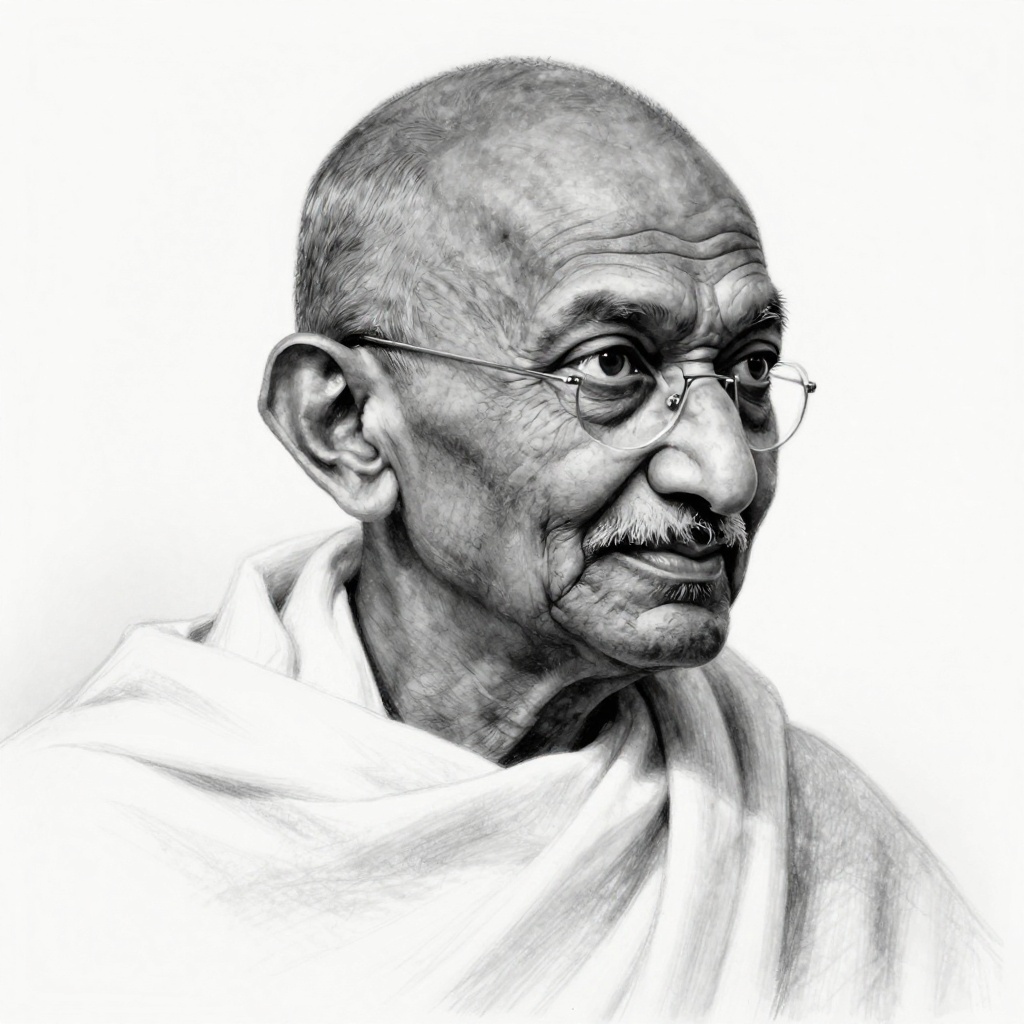
As human beings, our greatness lies not so much in being able to remake the world - that is the myth of the at... — Mahatma Gandhi

As human beings, our greatness lies not so much in being able to remake the world - that is the myth of the atomic age - as in being able to remake ourselves.

Author: Mahatma Gandhi

Insight: We live in an age that worships the grand gesture. We imagine that real change means reshaping systems, building empires, or solving problems at massive scale. But Gandhi points at something quieter and harder: the person you become is actually where your real power lives. Remaking yourself—your habits, your patience, your honesty, the way you respond when things go wrong—takes more sustained effort than most grand projects ever will. The tricky part is that self-transformation feels less impressive than it should. There's no ribbon-cutting ceremony for deciding to listen better or choosing courage over comfort. Yet this is where everything else starts. You can't genuinely change how you treat people without changing yourself first. You can't build anything trustworthy on a foundation of who you pretend to be. The world's most stubborn problems—prejudice, corruption, cruelty—they persist because individuals haven't done this harder work of reshaping themselves. This matters now because we're drowning in big plans and short on patience for the slow business of becoming better. But your influence spreads through who you are, not just what you accomplish. That's less mythical than atomic power, maybe. But it's where actual transformation begins.

The harder power of becoming

As human beings, our greatness lies not so much in being able to remake the world - that is the myth of the atomic age - as in being able to remake ourselves.

We live in an age that worships the grand gesture. We imagine that real change means reshaping systems, building empires, or solving problems at massive scale. But Gandhi points at something quieter and harder: the person you become is actually where your real power lives. Remaking yourself—your habits, your patience, your honesty, the way you respond when things go wrong—takes more sustained effort than most grand projects ever will.

The tricky part is that self-transformation feels less impressive than it should. There's no ribbon-cutting ceremony for deciding to listen better or choosing courage over comfort. Yet this is where everything else starts. You can't genuinely change how you treat people without changing yourself first. You can't build anything trustworthy on a foundation of who you pretend to be. The world's most stubborn problems—prejudice, corruption, cruelty—they persist because individuals haven't done this harder work of reshaping themselves.

This matters now because we're drowning in big plans and short on patience for the slow business of becoming better. But your influence spreads through who you are, not just what you accomplish. That's less mythical than atomic power, maybe. But it's where actual transformation begins.

AI generated

Comments

Sign in to leave a comment or reply to one.

Sign in

Mahatma Gandhi

Mahatma Gandhi (1869–1948) was an Indian lawyer, anti-colonial nationalist, and political ethicist who employed nonviolent resistance to lead the successful campaign for India's independence from British rule. Known for his principle of nonviolent protest, he inspired movements for civil rights and freedom across the world.

Graph

Related