Quote · Added 31 October 2023
The power of finding beauty in the humblest things makes home happy and life lovely.
Louisa May AlcottJack and Jill, ed. Applewood Books, 2012
No ratings yet
Filed underbeauty·happiness·simplicity
Quote · Added 31 October 2023
Filed underbeauty·happiness·simplicity
We spend so much energy chasing the big moments—the perfect vacation, the promotion, the milestone birthday—that we miss what's actually making us content. Alcott is pointing at something quieter: the everyday magic that's already there. It's the way afternoon light hits your coffee mug, the comfort of a worn book on your shelf, the smell of toast. These aren't consolation prizes for when you can't afford anything better. They're the actual substance of a good life, hiding in plain sight.
The tricky part is that noticing beauty in humble things requires something we're not naturally good at anymore: attention. It's easier to scroll past the ordinary than to really look at it. But the people who seem genuinely happy—the ones who aren't constantly frustrated or restless—they've developed a habit of finding richness in small, free things. They're not pretending a chipped mug is fancy. They're just awake to what's good about it.
What Alcott understood is that "lovely life" isn't about accumulation. It's about perception. You can have an expensive house and feel miserable, or a modest one and feel at home. The difference isn't the square footage. It's whether you've learned to actually see what you have.
1832–1888·lived 55 years
Louisa May Alcott was an American novelist and poet, best known for her classic novel "Little Women," which is a semi-autobiographical account of her own family. Alcott was a prolific writer and advocate for women's rights, her works often portraying strong female characters and challenging societal norms of the time.
Also by Louisa May Alcott
Have regular hours for work and play; make each day both useful and pleasant, and prove th...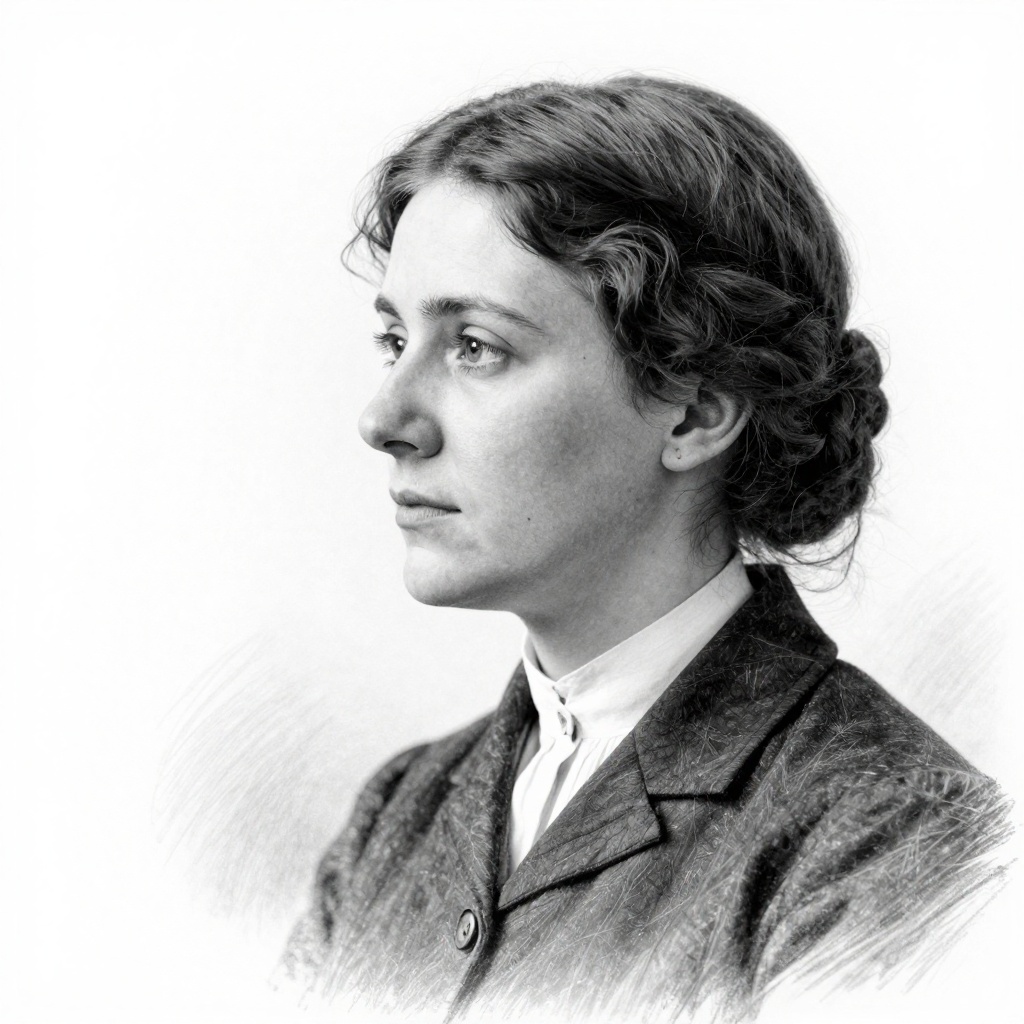
Comments