Quote · Added 4 September 2023
Love the hand that fate deals you and play it as your own.
Louisa May AlcottResolve to take fate by the throat and shake a living out of her, 1857
No ratings yet
Filed underfate·love·acceptance
Quote · Added 4 September 2023
Filed underfate·love·acceptance
Most of us spend surprising energy resenting the cards we were actually dealt—wishing we'd been born into different circumstances, different bodies, different families, different eras. There's real pain in that gap between what is and what we imagine could have been. But Alcott's insight cuts through the fantasy: the only playable hand is the one you actually hold. Not someday, when conditions improve. Not after you fix what's "wrong." Now.
What makes this different from toxic positivity is the word "love." She's not saying grit your teeth and accept mediocrity. She's pointing at something harder—a shift from resentment to genuine interest in what you can actually do with what you have. A person with limited resources but fierce curiosity often achieves more than someone with advantages they're too busy resenting to use. The hand becomes powerful the moment you stop comparing it to an imaginary better one.
This matters because we're living in an age of infinite counterfactual lives—scrolling through what others have, what we could have pursued, who we might have been. The practical rebellion is simpler: take this actual life, this specific situation, this particular set of talents and constraints, and play it like it's the only one that matters. Because it is.
1832–1888·lived 55 years
Louisa May Alcott was an American novelist and poet, best known for her classic novel "Little Women," which is a semi-autobiographical account of her own family. Alcott was a prolific writer and advocate for women's rights, her works often portraying strong female characters and challenging societal norms of the time.
Also by Louisa May Alcott
Have regular hours for work and play; make each day both useful and pleasant, and prove th...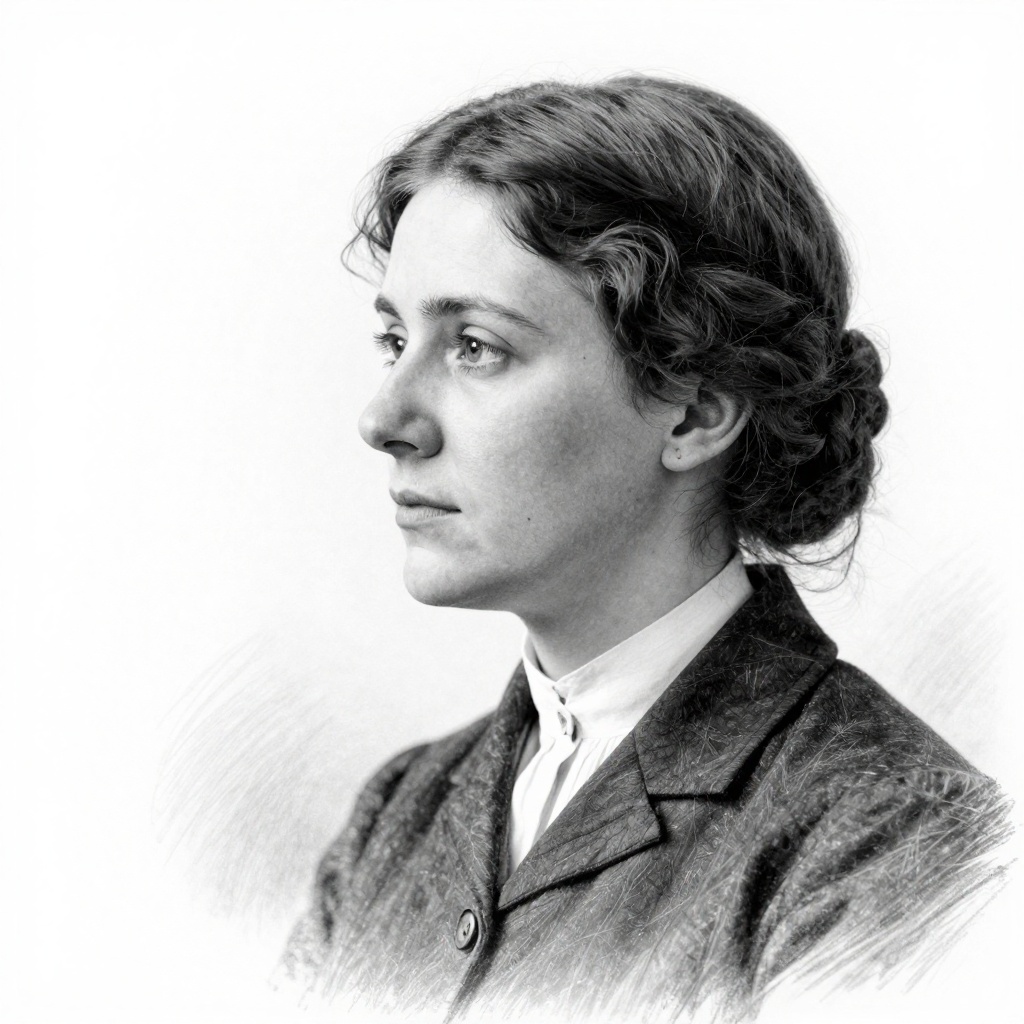
Comments