Quote · Added 22 October 2023
Science knows no country, because knowledge belongs to humanity, and is the torch which illuminates the world.
Louis PasteurFree Lance of Science, Ch. 3 Pasteur in Action, 1960
No ratings yet
Quote · Added 22 October 2023
We live in a time when scientific breakthroughs feel like they belong to whoever funds them first, or whoever patents them fastest. But Pasteur's point cuts through that—the actual knowledge itself, once discovered, can't be contained by borders or locked behind a single nation's claim. A vaccine developed in one country saves lives everywhere. A physics discovery doesn't stop working once it crosses an ocean.
What's interesting is how this connects to something we experience personally: the best ideas you've ever borrowed didn't come with a nationality attached. A parenting tip from a friend, a productivity hack you read somewhere, a song that moved you—these travel freely because good ideas are just useful to people, period. They don't need permission to matter.
The tricky part is that while knowledge itself is universal, access to it often isn't. But Pasteur's real insight points to something worth remembering when we get caught up in competition and credit: the actual value of discovery lies in how widely it spreads, not in who gets to claim it first. A world that hoards knowledge might win some battles, but one that shares it illuminates everything.
1822–1895·lived 72 years
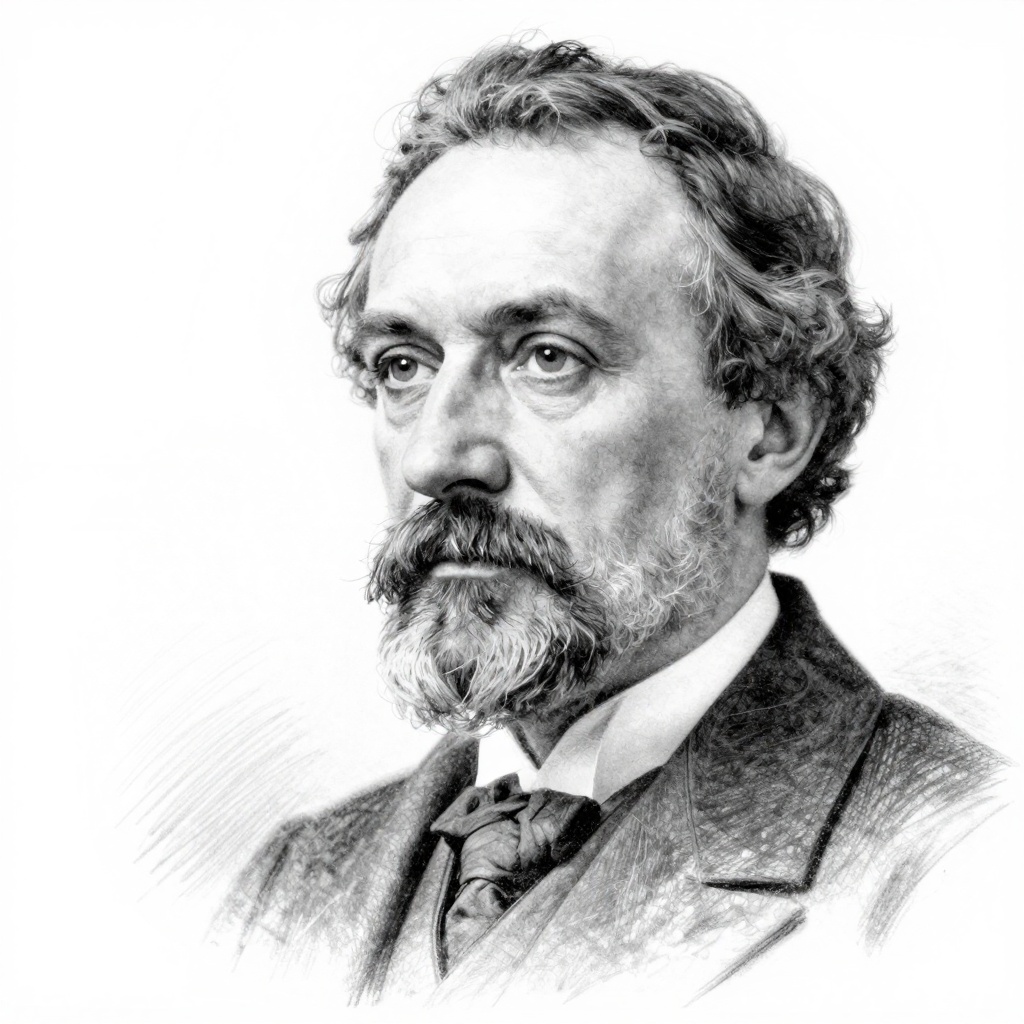
Louis Pasteur was a French chemist and microbiologist known for his groundbreaking discoveries in the fields of vaccination, microbial fermentation, and pasteurization. He is celebrated for developing the rabies vaccine and proving the germ theory of disease, revolutionizing medicine and saving countless lives through his advancements in microbiology.
Comments