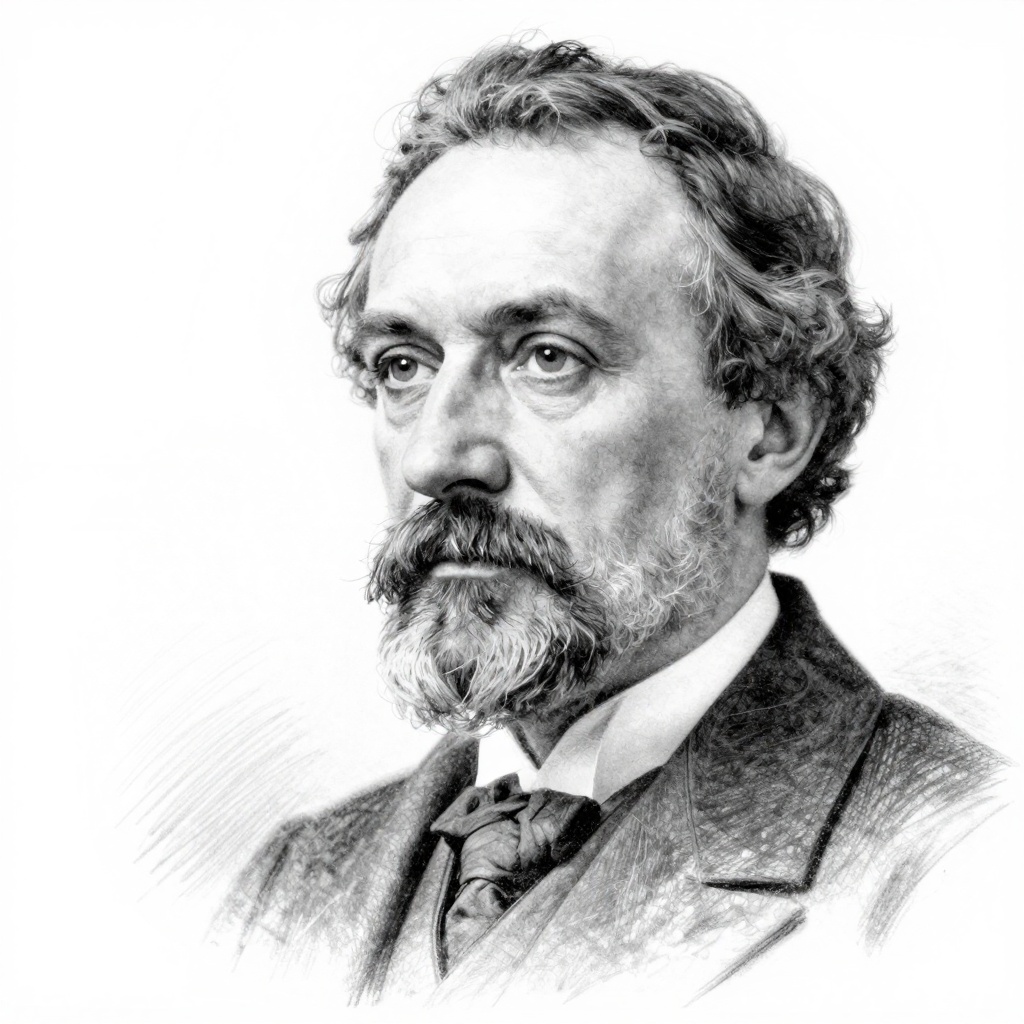
Science knows no country, because knowledge belongs to humanity, and is the torch which illuminates the world.... — Louis Pasteur
Science knows no country, because knowledge belongs to humanity, and is the torch which illuminates the world. Science is the highest personification of the nation because that nation will remain the first which carries the furthest the works of thought and intelligence.
Author: Louis Pasteur
Insight: There's something almost radical about this idea when you look at how we actually live. We're constantly sorting knowledge into buckets—American technology, Chinese manufacturing, European philosophy—as if ideas have passports. But Pasteur's point cuts through all that: a vaccine works the same whether you're in Paris or Punjab. A mathematical proof doesn't care about borders. When you break it down, every major scientific breakthrough has been a relay race. Someone in one country builds on discoveries from another, which borrowed from a third. The nation that "wins" isn't the one that hoards information—it's the one that contributes most openly to the common pool. What's unexpected here is that Pasteur isn't being naive or idealistic in a weak way. He's actually claiming something harder: that scientific leadership and national strength are the same thing. You don't become powerful by keeping secrets. You become powerful by thinking more clearly than everyone else and sharing that thinking. That flips our instinct to compete through secrecy or protectionism. It suggests that the countries thriving right now are the ones most willing to let ideas flow freely, argue publicly, and build on what came before. In that framework, isolating your knowledge isn't defense—it's self-sabotage.