Quote · Added 26 August 2023
Learning never exhausts the mind.
Leonardo da VinciLeonardo da Vinci (1452-1519) - La Gazzetta Italiana
No ratings yet
Quote · Added 26 August 2023
There's something counterintuitive about this claim. We're used to thinking of learning as draining—cramming for tests, struggling through difficult material, feeling mentally fried after a long day of focus. And that's real. But da Vinci is pointing at something different: the act of genuine curiosity doesn't deplete you the way forced or shallow engagement does. When you're actually interested in how something works, or why people behave the way they do, or what happens next in a story, your mind doesn't get exhausted—it gets energized.
The distinction matters because it explains why some people seem to have boundless mental energy while others feel drained by the same amount of studying. It's not about capacity; it's about whether you're pushing against resistance or moving with genuine interest. A mechanic who loves understanding engines can spend twelve hours on a car and feel alive. Someone forcing themselves to memorize facts for a test feels wrecked after two hours.
The modern trap is treating all learning the same way—as an obligation, a checkbox, a hustle-culture badge of honor. But if you follow da Vinci's logic, the real issue isn't learning too much. It's learning the wrong things in the wrong way. The antidote to mental exhaustion isn't less learning; it's more curiosity about what actually fascinates you.
1452–1519·lived 67 years
Leonardo da Vinci was an Italian polymath active during the Renaissance, known for his proficiency in various fields such as painting, sculpting, engineering, anatomy, and science. His most famous works include the Mona Lisa and The Last Supper, and he is widely regarded as one of the greatest artists of all time.
Also by Leonardo da Vinci
Just as food eaten without appetite is a tedious nourishment, so does study without zeal d...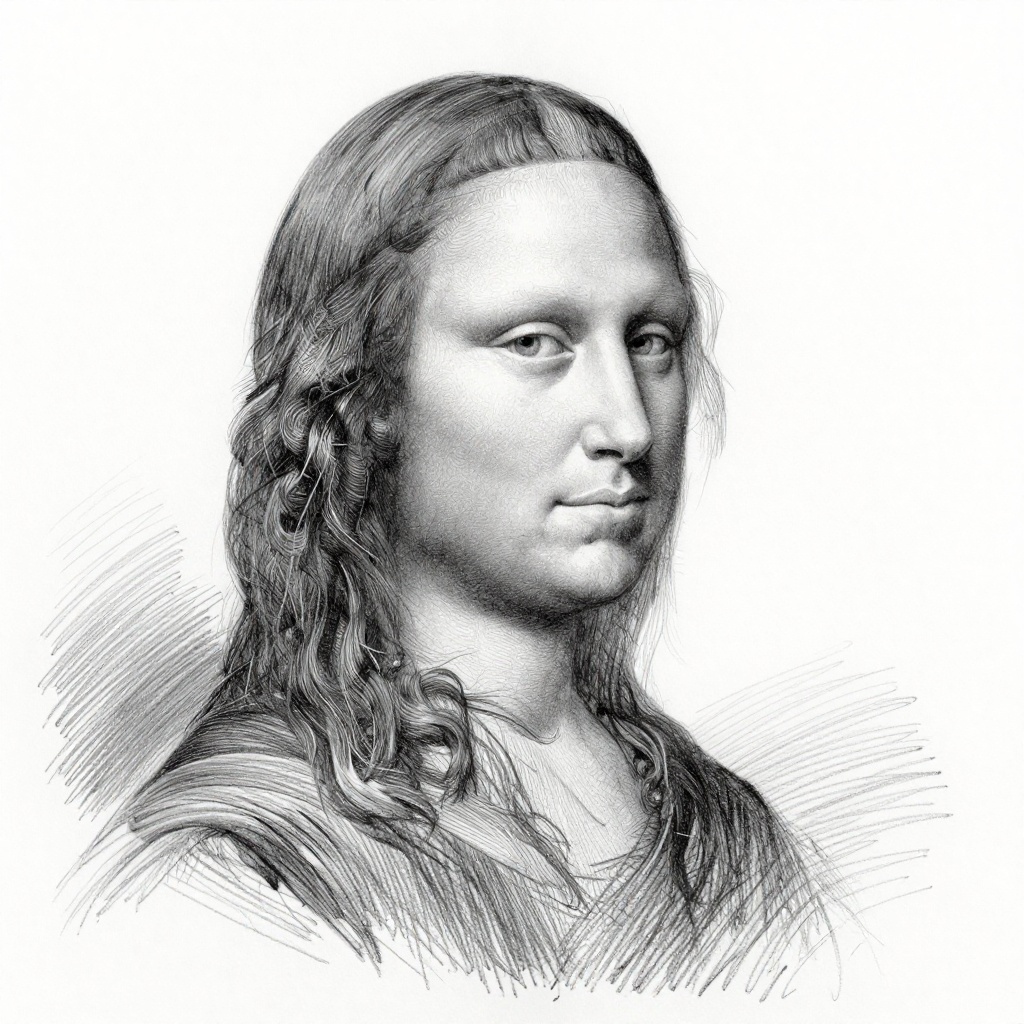
Comments