Quote · Added 21 August 2023
I have been impressed with the urgency of doing. Knowing is not enough; we must apply. Being willing is not enough; we must do.
No ratings yet
Quote · Added 21 August 2023
We live in an age of infinite information and good intentions. You can watch a tutorial on public speaking, read three books about productivity, and genuinely understand what you should be doing—and still end the week exactly as you started it. The gap between knowing and doing is where most of life actually happens, and it's brutally wide.
Leonardo wasn't just talking about grand projects. He was describing the friction we all feel: the moment you decide to start exercising but don't lace up your shoes, or you recognize a relationship needs fixing but postpone the difficult conversation another week. Willingness is cheap. It makes us feel virtuous without requiring anything of us. Real change only arrives when you stop negotiating with yourself and move your body toward something concrete.
What makes this insight so sharp is that it flips how we usually blame ourselves. We think the problem is lacking motivation or discipline, but often we're stuck in the willing phase, mistaking it for action. The move forward isn't always heroic or dramatic—it's just the unglamorous work of doing the smallest version of the thing. Starting matters more than having the perfect plan.
1452–1519·lived 67 years
Leonardo da Vinci was an Italian polymath active during the Renaissance, known for his proficiency in various fields such as painting, sculpting, engineering, anatomy, and science. His most famous works include the Mona Lisa and The Last Supper, and he is widely regarded as one of the greatest artists of all time.
Also by Leonardo da Vinci
Just as food eaten without appetite is a tedious nourishment, so does study without zeal d...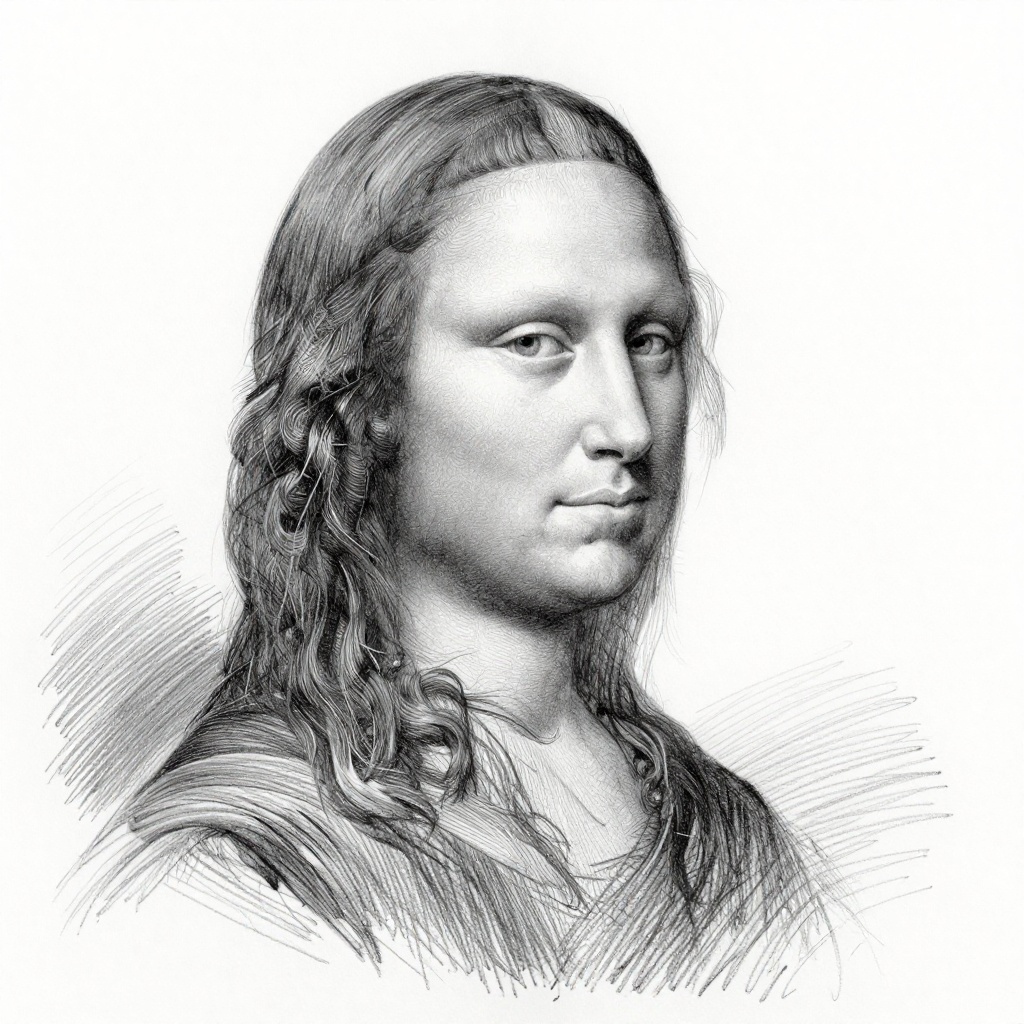
Comments