Quote · Added 25 May 2024
Errors are not in the art but in the artificers.
Leonardo da VinciThe Notebooks of Leonardo da Vinci, p. 15
No ratings yet
Filed undererrors·creativity·responsibility
Quote · Added 25 May 2024
Filed undererrors·creativity·responsibility
When something goes wrong, we instinctively blame the tool. The saw was dull. The pen ran out of ink. The software glitched. But Leonardo, a man who spent half his time building things and the other half frustrated with materials, understood something deeper: the problem is almost never the equipment itself. It's what the person holding it brings to the moment—their attention, their skill, their willingness to adapt.
This matters because it shifts where we actually have power. You can't always control the quality of your tools or circumstances, but you can control how carefully you use them, how much you practice, and whether you blame the hammer or learn from the swing. A master carpenter makes beautiful things with basic tools. A beginner with expensive equipment still makes mistakes. The gap between them isn't the gear.
The uncomfortable truth tucked inside this idea is personal responsibility. It's easier to feel like a victim of bad circumstances than to accept that most of what goes wrong in our work, relationships, or projects traces back to our own execution. Not in a shame-filled way, but in a liberating one: if the problem is in us, then the solution is too. That's actually where our real power lives.
1452–1519·lived 67 years
Leonardo da Vinci was an Italian polymath active during the Renaissance, known for his proficiency in various fields such as painting, sculpting, engineering, anatomy, and science. His most famous works include the Mona Lisa and The Last Supper, and he is widely regarded as one of the greatest artists of all time.
Also by Leonardo da Vinci
Just as food eaten without appetite is a tedious nourishment, so does study without zeal d...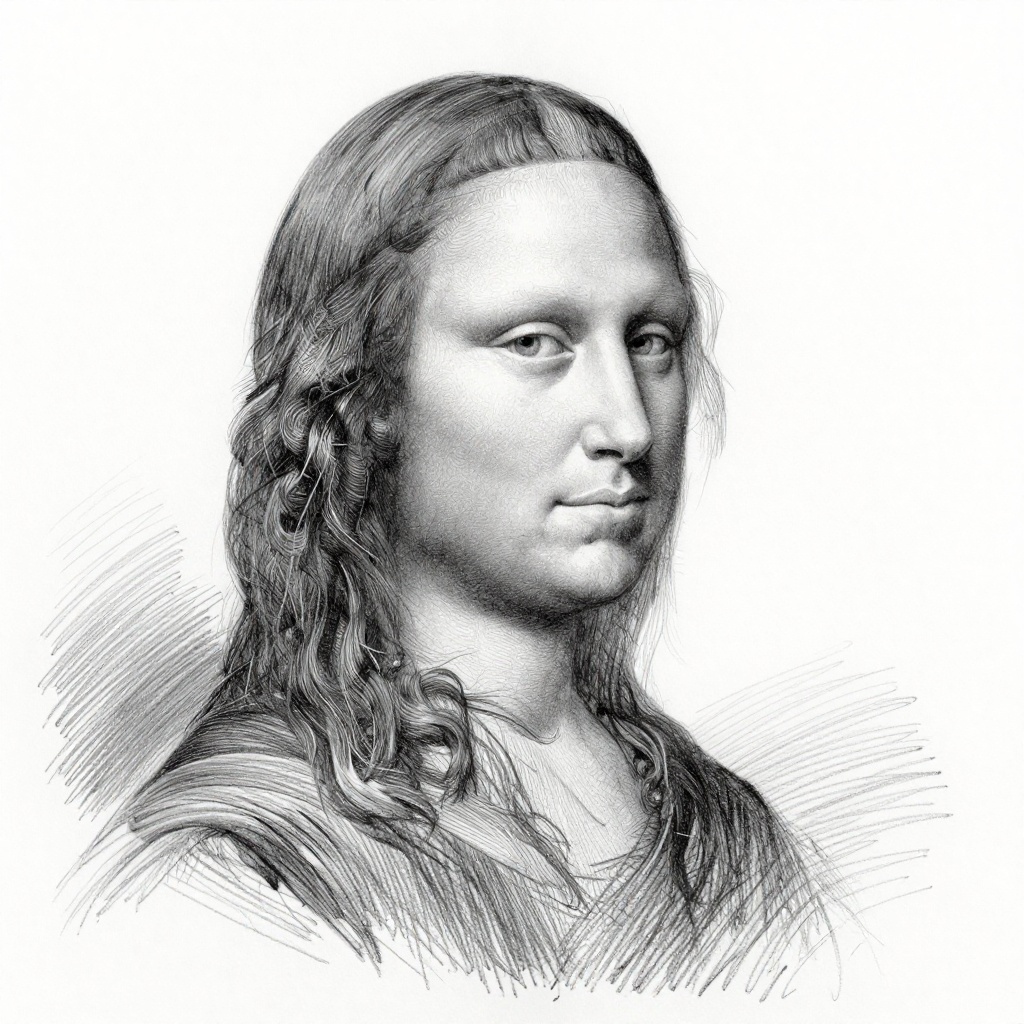
Comments