Quote · Added 25 August 2023
The two most powerful warriors are patience and time.
Leo TolstoyWar and Peace, 1869
No ratings yet
Quote · Added 25 August 2023
We usually think of power as something forceful—a strong argument that wins immediately, a bold move that changes everything overnight. But Tolstoy spotted something quieter and stranger: the real dominance belongs to those willing to wait. Patience doesn't feel powerful in the moment. It feels like restraint, like accepting that you can't fix things right now. Yet when you stop fighting against time and start using it instead, everything shifts.
This shows up everywhere once you notice it. The person who stays calm in an argument often wins not through superior logic but because everyone else exhausts themselves first. The habit you stick with for two years beats the intense burst of motivation that fades in two weeks. Money compounds slowly, relationships deepen through accumulated trust, skills build through repetition. The warriors who seem to emerge victorious aren't always the fastest or loudest—they're the ones who understood that some battles are won by simply being there, unchanged and steady, while everything else wears away.
The tricky part is that patience requires its own kind of strength. It means tolerating discomfort, resisting the urge to force outcomes, believing that showing up matters even when nothing seems to be happening. In a world obsessed with quick wins, that might be the most radical power available.
1828–1910·lived 82 years
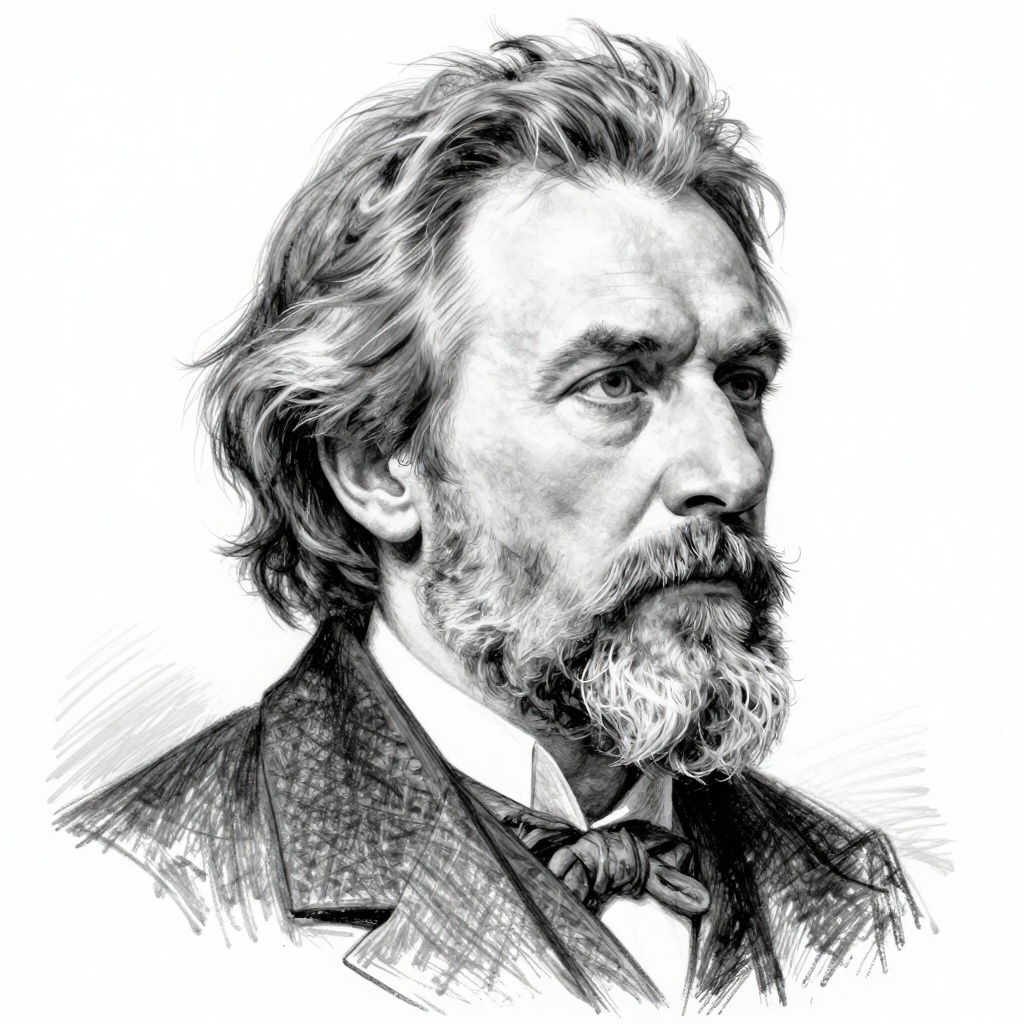
Leo Tolstoy was a renowned Russian writer and philosopher, known for his epic novels "War and Peace" and "Anna Karenina." He is widely regarded as one of the greatest authors in world literature, his works exploring themes of morality, society, and the human experience.
Comments