Quote · Added 14 February 2026
It is amazing how complete is the delusion that beauty is goodness.
Leo TolstoyThe Kreutzer Sonata
No ratings yet
Quote · Added 14 February 2026
We're drawn to beautiful people and assume they're kinder, smarter, more trustworthy. A attractive coworker gets the benefit of the doubt; an unattractive one has to prove themselves twice over. This bias runs so deep we barely notice it happening. We see someone's polished appearance and unconsciously fill in the blanks with virtues they may not possess.
The sneaky part is that beauty and goodness have nothing to do with each other. A gorgeous person can be ruthless. Someone plain can be genuinely good. Yet we keep making this leap, especially in a world obsessed with image. Social media has turbo-charged this delusion—we curate beautiful versions of ourselves and assume everyone doing the same must be living better, more authentic lives. We mistake the packaging for the contents.
What's worth noticing is how often this works in reverse too. We dismiss people as less capable or less worthy simply because they don't fit beauty standards. The real work isn't just seeing through the delusion when someone's attractive, but actively questioning what we assume about anyone based on appearance alone. Goodness looks ordinary.
1828–1910·lived 82 years
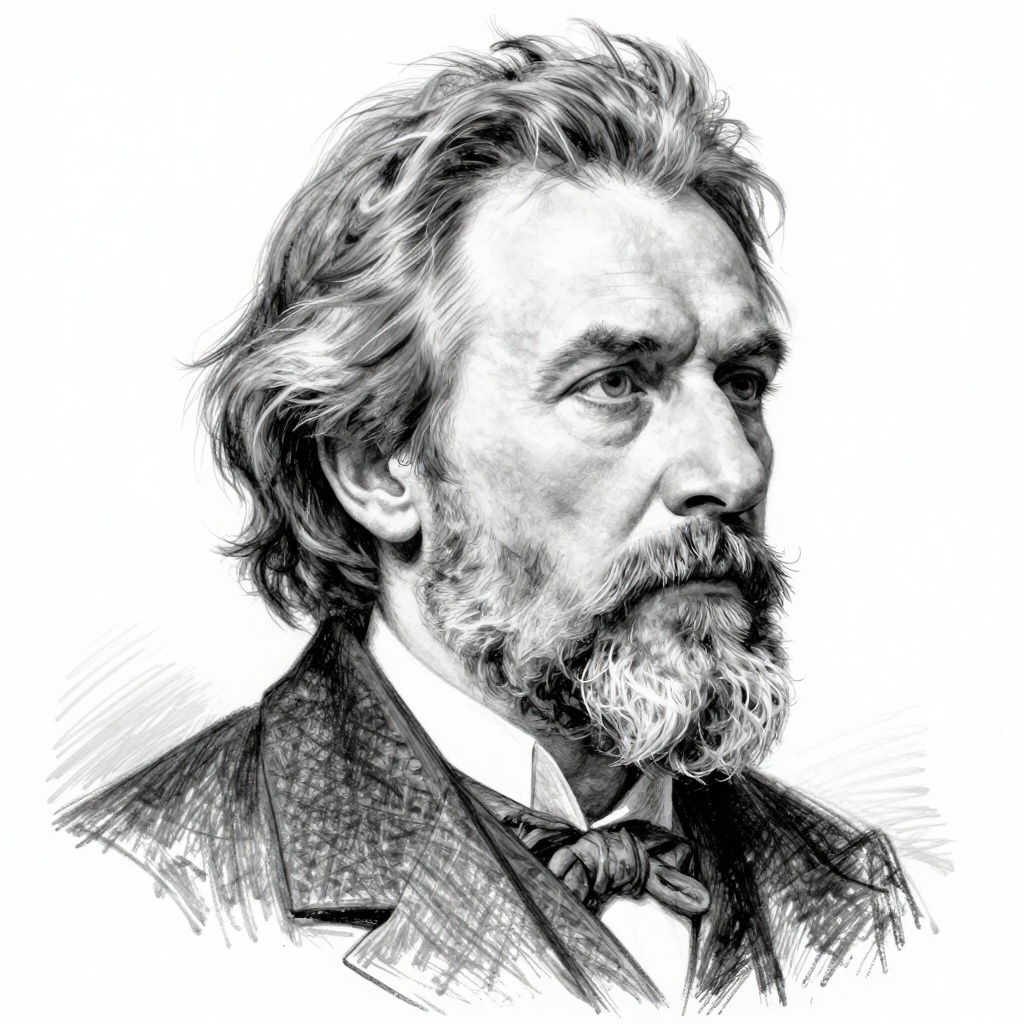
Leo Tolstoy was a renowned Russian writer and philosopher, known for his epic novels "War and Peace" and "Anna Karenina." He is widely regarded as one of the greatest authors in world literature, his works exploring themes of morality, society, and the human experience.
Comments