Quote · Added 14 February 2026
If you want to be happy, be.
No ratings yet
Quote · Added 14 February 2026
There's something almost too simple about this that makes it stick. Tolstoy isn't saying happiness comes from achieving something or finally getting the right circumstances. He's saying it's a choice you can make right now, in this moment, without waiting for permission or the perfect setup. It sounds like it shouldn't work—surely happiness requires effort, planning, therapy, better finances? But he's pointing at something real: we often postpone being happy until we've solved every problem, and that day never quite arrives.
The tricky part is that "just be happy" sounds like toxic positivity until you actually sit with it. He's not dismissing real suffering or suggesting you smile through hardship. He's suggesting that happiness isn't primarily something that happens to you—it's a stance you take. You can be sad about something specific and still choose a basic contentment underneath. You can be anxious about the future and still inhabit this present moment fully. Most of us live in rehearsal for a happier future that keeps slipping away.
The counterintuitive angle: happiness often increases when you stop chasing it so desperately. When you stop treating it like a destination that validates your worth, it becomes available in smaller, realer ways—in noticing things, in being present with people you care about, in doing work that feels meaningful. The being comes before the having.
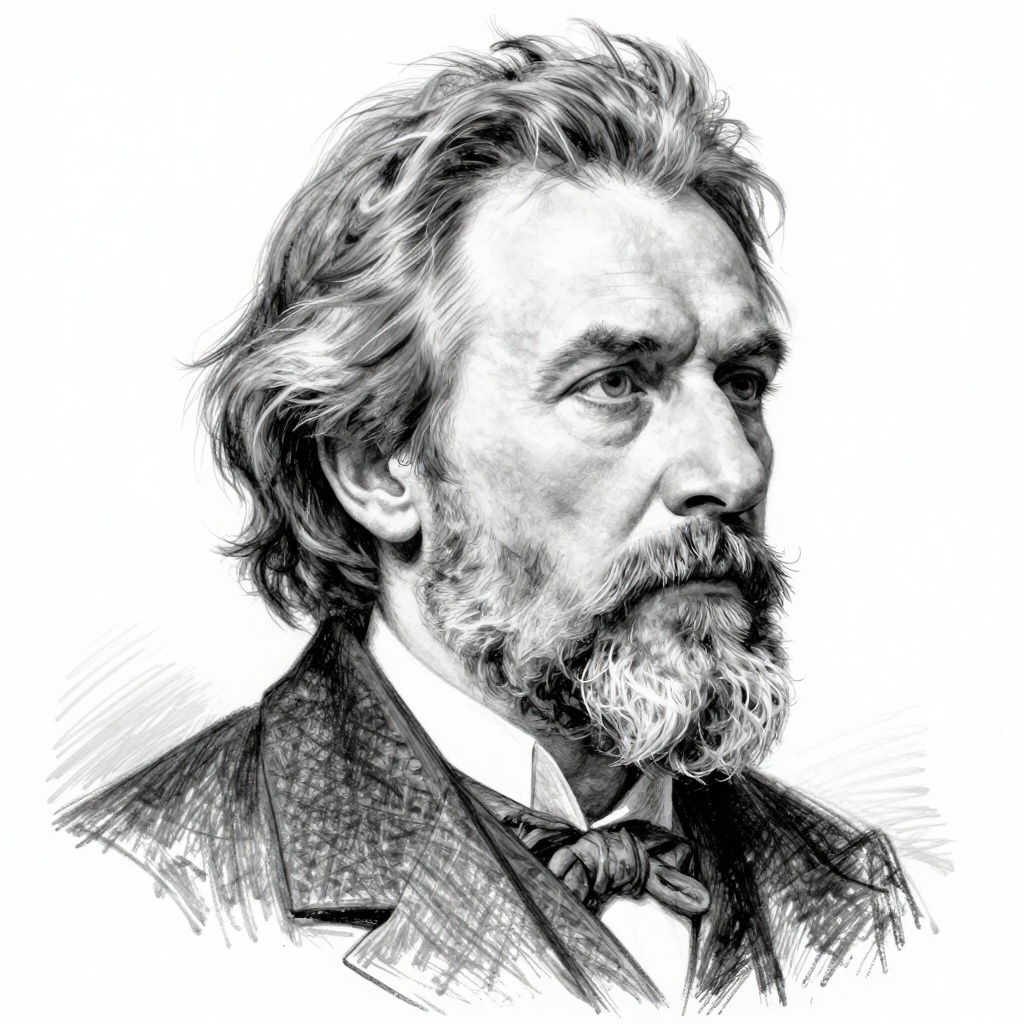
1828–1910·lived 82 years
Leo Tolstoy was a renowned Russian writer and philosopher, known for his epic novels "War and Peace" and "Anna Karenina." He is widely regarded as one of the greatest authors in world literature, his works exploring themes of morality, society, and the human experience.
Comments