Quote · Added 14 February 2026
Art is not a handicraft, it is the transmission of feeling the artist has experienced.
Leo TolstoyWhat Is Art?, p. 195, 1897
No ratings yet
Filed underart·emotion·expression
Quote · Added 14 February 2026
Filed underart·emotion·expression
When we look at a painting or hear a song that moves us, we're not witnessing technical skill on display—we're experiencing someone's actual emotional memory. Tolstoy cuts through the idea that art is about perfection or clever technique. Instead, he's pointing at something stranger and more intimate: the artist had to feel something so intensely that they needed to pour it into their work, and somehow that same feeling travels to us across time and space.
This matters because it reframes why art can feel like it's speaking directly to you. That song about heartbreak isn't valuable because the artist played every note perfectly; it's powerful because you can sense they lived through that pain and couldn't help but share it. The same goes for a rough sketch that suddenly captures loneliness better than a polished painting, or a rambling essay that changes how you think because the writer was genuinely wrestling with an idea, not just displaying knowledge.
The non-obvious part? This means the best art often looks "flawed" by technical standards. A shaky voice, a clumsy sentence structure, an "unfinished" quality—these aren't failures. They're usually evidence that the feeling was so real the artist couldn't smooth it down into something clean and distant. When you find yourself moved by something imperfect, you might actually be sensing the raw authenticity Tolstoy was describing.
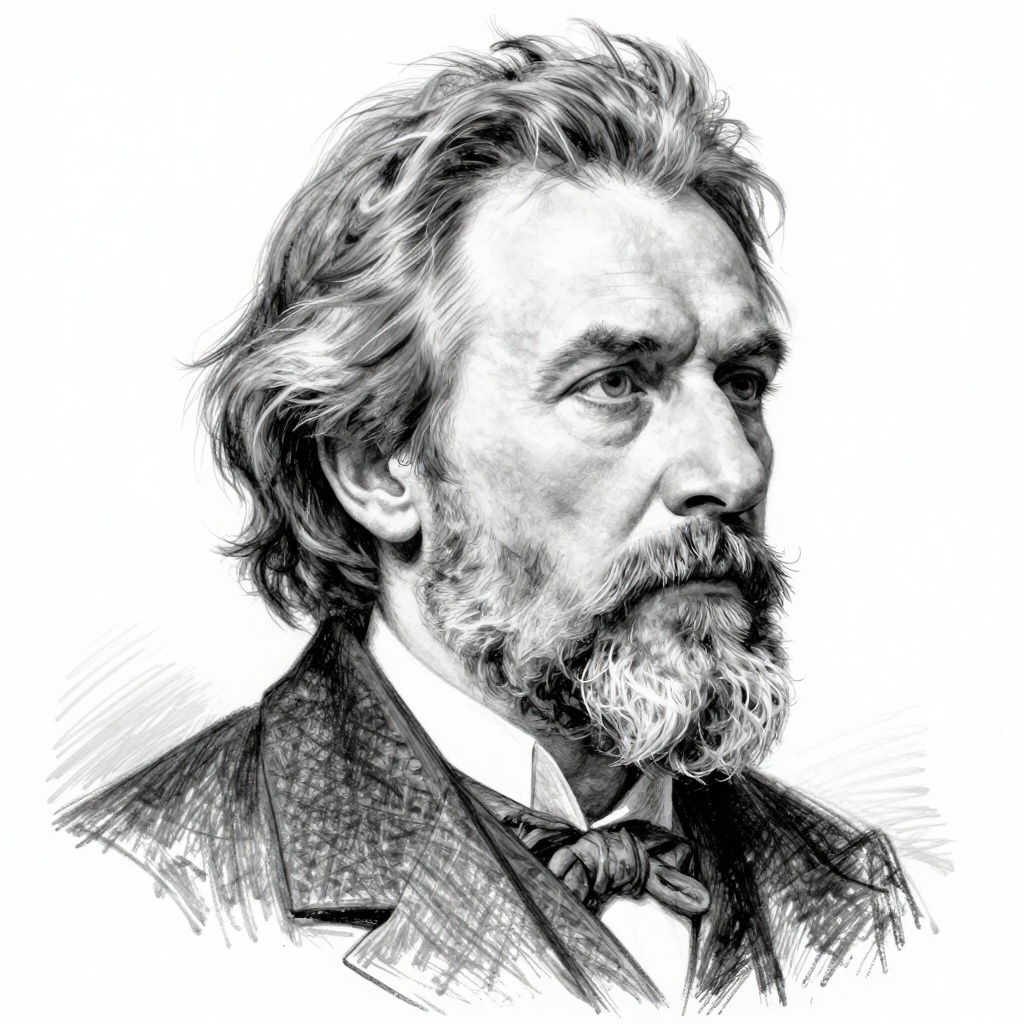
1828–1910·lived 82 years
Leo Tolstoy was a renowned Russian writer and philosopher, known for his epic novels "War and Peace" and "Anna Karenina." He is widely regarded as one of the greatest authors in world literature, his works exploring themes of morality, society, and the human experience.
Comments