Quote · Added 14 February 2026
Only the brave know how to forgive... a coward never forgave; it is not in his nature.
Laurence SterneA Sentimental Journey Through France and Italy, 1768
No ratings yet
Filed underforgiveness·bravery·cowardice
Quote · Added 14 February 2026
Filed underforgiveness·bravery·cowardice
We usually think of forgiveness as the gentle choice, the kind thing to do when someone wrongs us. But there's something counterintuitive here that rings true: letting go of a grudge actually requires more courage than holding onto it. Resentment is comfortable in a twisted way. It keeps you right and them wrong. It gives you a reason to avoid them, to stay angry, to never have to be vulnerable again. Forgiveness means risking that you'll be hurt again, or that they'll think you were never hurt at all.
Cowardice disguises itself as strength in this situation. The person who says "I'll never forgive them" often sounds tough, but they're actually trapped. They're afraid to move past it, afraid to discover that forgiveness might free them more than it frees the other person. Real strength looks like being able to sit with what happened, acknowledge the hurt, and then choose to set it down anyway. Not because they deserve it, but because you deserve to stop carrying it.
This matters now more than ever. We're surrounded by people nursing old arguments, family rifts, and bitter histories. Some of it justified, some not. But the weight of carrying all that? That's not righteousness. That's the price of playing it safe.
1713–1768·lived 54 years
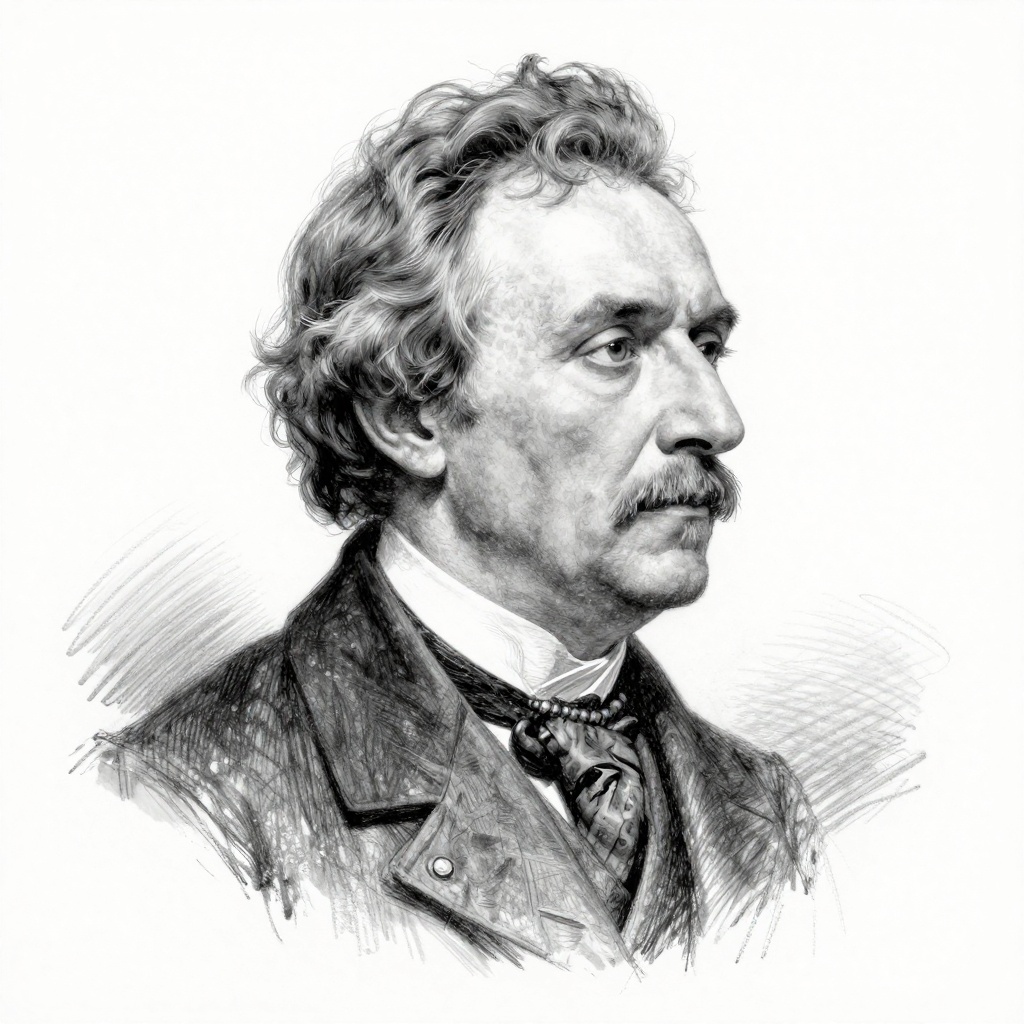
Laurence Sterne was an Irish novelist and Anglican clergyman, best known for his innovative novel "Tristram Shandy," published between 1759 and 1767. His work is celebrated for its playful narrative style and digressive storytelling, which had a significant influence on the development of the modern novel. Sterne's unique approach to prose has made him a key figure in English literature.
Comments